South Korea's Envoys Mobilized to Establish Alternative Supply Chains Amid Middle East Turmoil
Synopsis
In response to the ongoing crisis in the Middle East, South Korea is proactively sending envoys to Algeria, Libya, and beyond to secure vital supply chains. This strategic move highlights the government's commitment to maintaining economic stability amidst international disruptions.
Key Takeaways
South Korea is actively pursuing alternative supply routes in response to the Middle East crisis.
Envoys have been dispatched to Algeria and Libya to secure these routes.
President Lee Jae Myung emphasizes the need for peace and economic stability.
The government is considering mid- to long-term restructuring initiatives.
Communication with Iranian officials is ongoing to ensure safety and maritime passage.
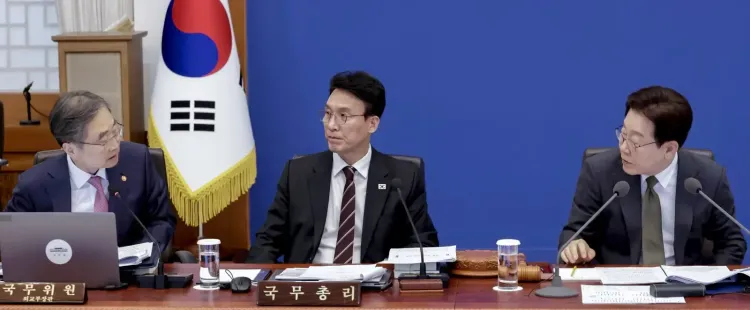
Seoul, April 14 (NationPress) - The South Korean Foreign Minister, Cho Hyun, announced on Tuesday that the country has sent envoys to Algeria and Libya, with plans to dispatch more to establish alternative supply routes amid the ongoing Middle East crisis.
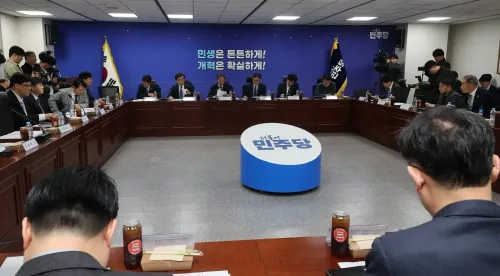
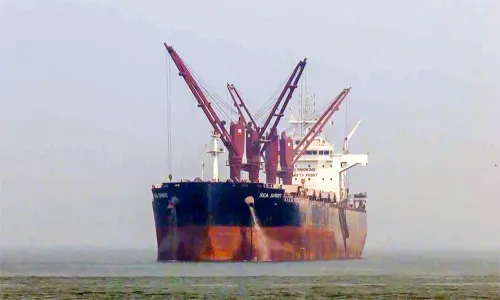
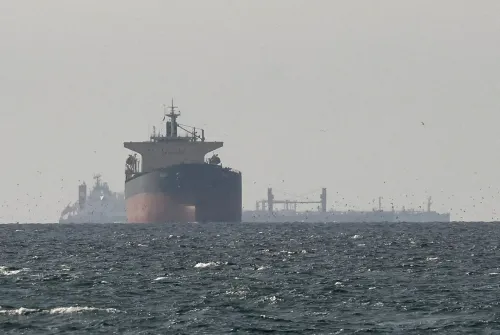
During a Cabinet meeting, Cho highlighted that South Korean President Lee Jae Myung urged the government to seek out supply chain alternatives due to the disruption caused by the U.S. conflict with Iran, which has severely impacted the vital Strait of Hormuz and affected maritime traffic.
The foreign ministry has already deployed director-general-level officials to Algeria and Libya, and is looking to send a special envoy to the Republic of the Congo.
Cho stated, "The ministry will actively consider sending presidential envoys after discussions with relevant ministries, the Korea Petroleum Association, and other important stakeholders to assist the government in securing alternative supply sources." In addition, Kang Hoon-sik, the presidential chief of staff, has been appointed as a special envoy to the Middle East, as reported by Yonhap.
Furthermore, Cho noted that Chung Byung-ha, the special envoy to Iran, is maintaining communication with senior Iranian officials in Tehran to address regional developments, ensure the safety of South Korean nationals, vessels, crew, and facilitate ship passage.
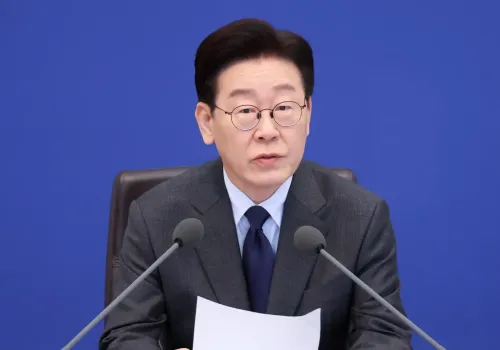
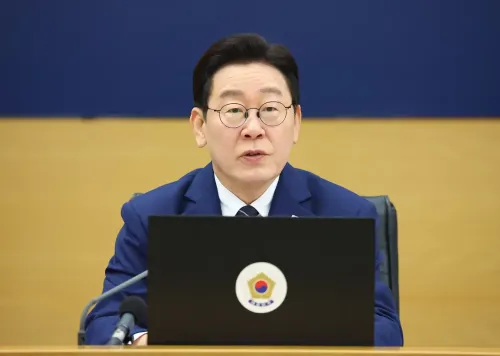
In the meantime, President Lee Jae Myung has called on involved nations to make bold moves toward peace, especially as a fragile ceasefire agreement between the U.S. and Iran is at risk, potentially impacting the global economy.
During a Cabinet meeting, Lee urged, "The warring parties must take decisive steps toward peace based on universal human rights and historical lessons that the world urgently needs." As the conflict in the Middle East enters its seventh week, Lee further called for the government to investigate alternative supply chains and initiate structural reforms to rectify vulnerabilities exposed by the ongoing war.
"I want initiatives, such as exploring alternative supply chains, pursuing mid- to long-term industrial restructuring, and achieving a plastic-free economy, to be prioritized as key national projects," Lee concluded.
Point of View
The South Korean government's proactive measures to establish alternative supply routes amid the Middle East crisis reflect a commitment to economic stability and security. Engaging with international stakeholders demonstrates a strategic approach to navigating complex geopolitical challenges.
NationPress
3 Oct 2026
Frequently Asked Questions
Why is South Korea sending envoys to Algeria and Libya?
South Korea is dispatching envoys to secure alternative supply routes due to disruptions caused by the ongoing crisis in the Middle East, particularly the conflict between the U.S. and Iran.
What is the significance of the Strait of Hormuz?
The Strait of Hormuz is a crucial maritime passageway for global oil shipments, and disruptions in this area can significantly impact international trade and supply chains.
Who is involved in the diplomatic efforts?
The South Korean foreign ministry, led by Cho Hyun, is coordinating with the Korea Petroleum Association and relevant ministries to facilitate the deployment of envoys.
What are President Lee Jae Myung's remarks regarding the conflict?
President Lee has urged warring nations to take courageous steps toward peace and called for the exploration of alternative supply chains to mitigate economic vulnerabilities.
What initiatives is the government pursuing?
The government is focusing on exploring alternative supply chains, mid- to long-term industrial restructuring, and a transition to a plastic-free economy as key national projects.