South Korea's Ruling Party and Government Plan Envoy Dispatch to Secure Crude Oil Amid Middle East Tensions
Synopsis
South Korea's government and ruling party are mobilizing efforts to send special envoys to key Middle Eastern nations to secure crude oil supplies as geopolitical tensions disrupt vital shipping routes.
Key Takeaways
South Korea plans to send envoys to Saudi Arabia , Oman , and Algeria to secure crude oil supplies.
The Strait of Hormuz is currently disrupted due to geopolitical tensions.
Efforts include deploying five Korean-flagged vessels to Yanbu .
Strategic oil reserves will be released to private refiners to address shortages.
Intensive supply chain checks are ongoing across 50 major industries.
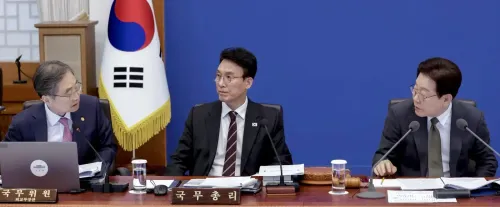
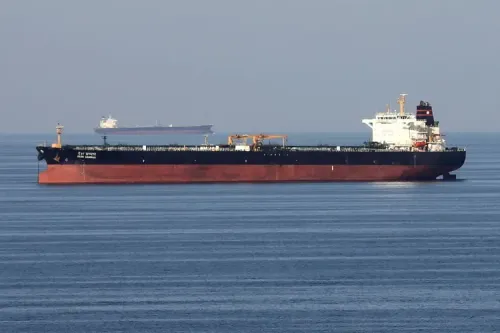
Seoul, April 3 (NationPress) - The ruling Democratic Party (DP) of South Korea and the government have reached a consensus on Monday to pursue the deployment of special envoys to Saudi Arabia, Oman, and Algeria in order to ensure a stable supply of crude oil. This decision comes as the Strait of Hormuz, a vital oil transit route, remains effectively obstructed due to the ongoing US-Israeli conflict with Iran.
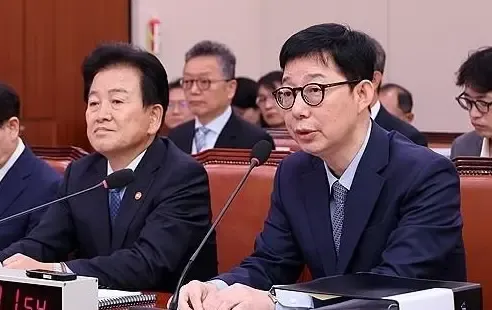
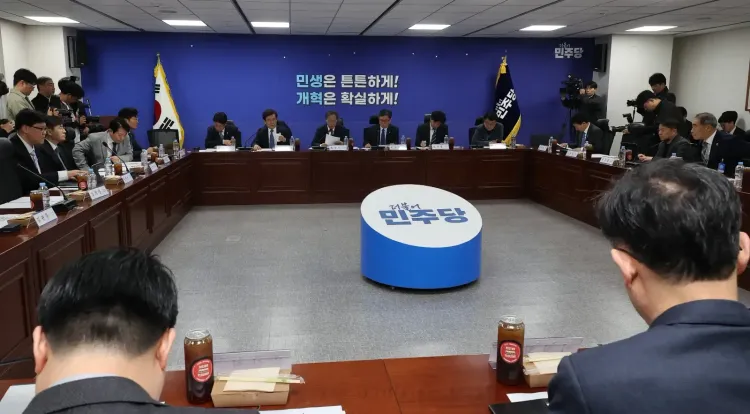
According to Rep. Ahn Do-geol, who spoke to reporters following a consultative meeting at the National Assembly, DP legislators and government representatives are actively engaged in discussions to secure crude oil supplies through negotiations with countries that have alternative transportation routes.
They have committed to enhancing diplomatic measures aimed at stabilizing crude oil supplies, which includes the potential dispatch of envoys to key oil-producing nations.
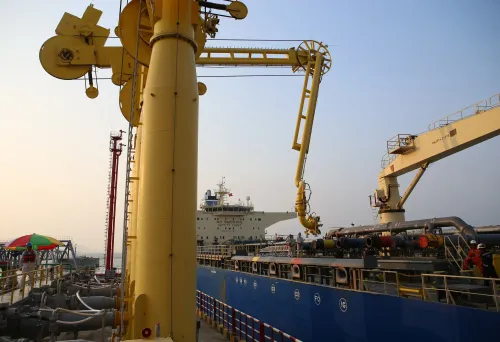
Furthermore, authorities are planning to send five Korean-flagged vessels to the Saudi Arabian city of Yanbu, located on the Red Sea, as part of their efforts.
During the meeting, officials also evaluated strategies for releasing the nation's strategic oil reserves to private refiners to mitigate the ongoing oil supply shortages.
"The government intends to prioritize supplying the strategic oil reserves to private refiners, followed by executing swaps once international shipments arrive in Korea," Ahn stated.
Regarding the supply of naphtha, he mentioned that the government is conducting daily intensive checks on the supply chains across 50 major industries, as domestic disruptions have escalated following airstrikes by the US and Israel on Iran. Naphtha is a crucial feedstock extensively utilized in petrochemical and other industries, as reported by Yonhap news agency.
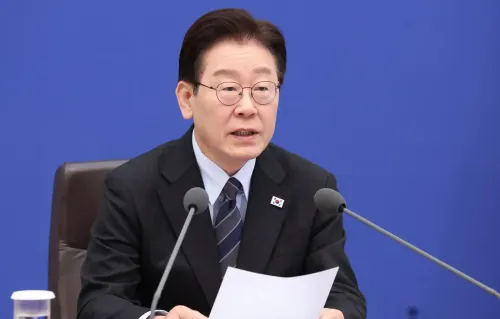
Earlier on April 3, South Korean President Lee Jae Myung and French President Emmanuel Macron held summit discussions, exploring ways to bolster cooperation to alleviate the economic repercussions of the ongoing conflict in the Middle East while reinforcing strategic coordination on international matters.
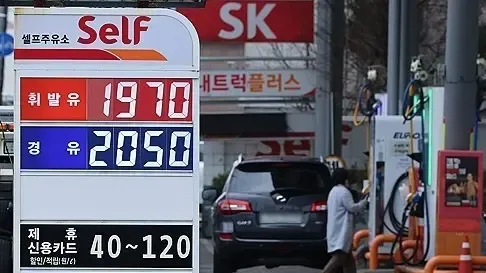
Lee expressed concerns regarding the increasing uncertainties in global energy supply chains, highlighting that the Strait of Hormuz has been significantly affected for weeks due to the US-Iran conflict, resulting in rising crude oil prices and related products worldwide.
Point of View
This development reflects South Korea's proactive stance in safeguarding its energy security in light of escalating geopolitical tensions. The decision to send envoys highlights the importance of diplomatic engagement in securing essential resources for the nation.
NationPress
20 Sept 2026
Frequently Asked Questions
Why is South Korea sending special envoys to the Middle East?
South Korea is dispatching special envoys to secure crude oil supplies amid disruptions in the Strait of Hormuz due to ongoing US-Israeli tensions with Iran.
Which countries are the envoys being sent to?
The special envoys will be sent to Saudi Arabia, Oman, and Algeria.
What measures are being taken to address oil supply shortages?
The government plans to release strategic oil reserves to private refiners and is checking supply chains daily across major industries.
What is the significance of the Strait of Hormuz?
The Strait of Hormuz is a critical oil shipping route, and its disruption can significantly impact global oil prices and supply.
What recent discussions have taken place regarding energy cooperation?
South Korean President Lee Jae Myung and French President Emmanuel Macron discussed enhancing cooperation to mitigate the economic impacts of the Middle East conflict.