How Did Sreenivasan's Last Rites Reflect the Legacy of Malayalam Cinema?
Synopsis
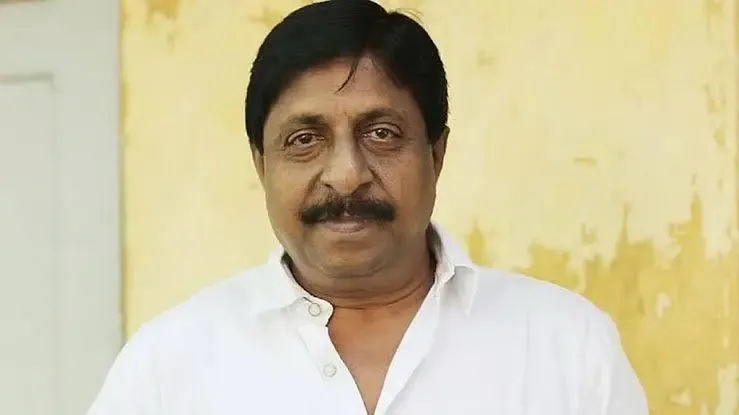
Sreenivasan's last rites in Kandanad were not just a farewell but a reflection of his transformative impact on Malayalam cinema. As the industry mourns, his legacy of realism and social commentary continues to inspire future generations.
Key Takeaways
Sreenivasan's impact on Malayalam cinema is profound and lasting.
He seamlessly blended humor and social commentary in his work.
His characters were crafted to be authentic and relatable.
He challenged traditional cinematic norms, advocating for realism .
His legacy continues to inspire future filmmakers.
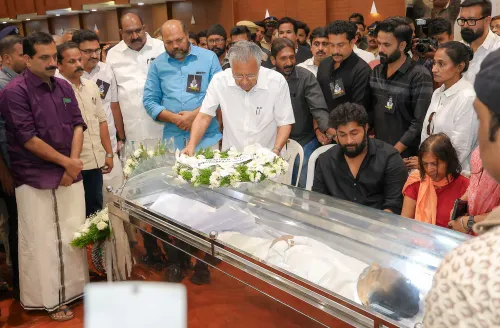
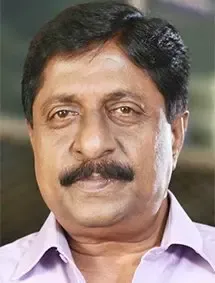
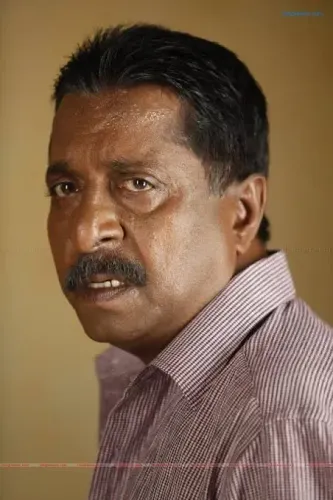
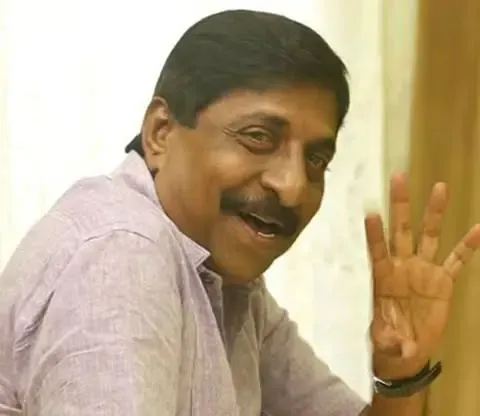
Kochi, Dec 21 (NationPress) The esteemed actor, screenwriter, and filmmaker Sreenivasan was laid to rest with full state honours at his home in Kandanad, Udayamperoor, on Sunday, marking the end of an era that significantly transformed Malayalam cinema.
The cremation ceremony, attended by political leaders, cinematic figures, and numerous fans, showcased the profound admiration and love he accumulated over his remarkable five-decade career.
At the age of 69, Sreenivasan passed away on Saturday morning during a routine dialysis session.
In recent years, he had been grappling with ongoing health challenges. His body was displayed at the Town Hall on Saturday to allow thousands to pay their final respects, before being taken home around 4:45 p.m. On Sunday morning, a constant flow of mourners came to say goodbye to the legendary filmmaker.
Among the attendees who paid their final respects were CPI(M) state secretary M.V. Govindan, opposition leader V.D. Satheesan, Tamil actor Suriya, and Malayalam actor-director Renji Panicker.
Emotional scenes unfolded as friends, colleagues, and fans came together to commemorate a man whose contributions, both in front of and behind the camera, continue to shape the essence of Malayalam cinema.
Sreenivasan is survived by his wife, Vimala; his sons, filmmaker-singer Vineeth Sreenivasan and actor Dhyan Sreenivasan; and daughters-in-law Divya and Arpita.
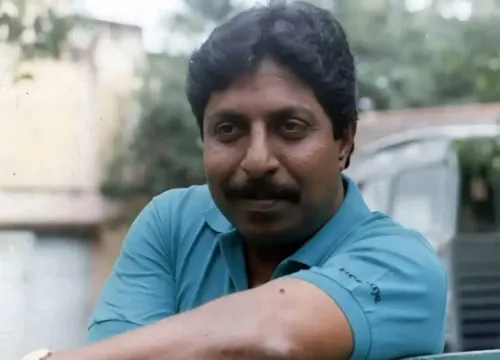
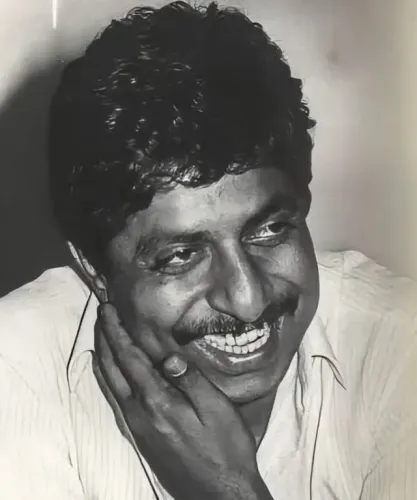
Born in Paatyam, Kannur, Sreenivasan entered the film industry through PA Backer’s 'Manimuzhakkam', which marked the beginning of a remarkable journey characterized by a blend of humour, social critique, and relatable narratives.
He commenced screenwriting in 1984 with Priyadarshan’s 'Odaruthammava Aalariyam', producing 54 screenplays that established a unique niche in Malayalam cinema’s storytelling legacy.
His collaborations with directors Sathyan Anthikad and Priyadarshan—amounting to 32 projects—yielded some of the most cherished and socially relevant films in Malayalam cinema.
Though his directorial works were fewer, they echoed his philosophy of subtle satire, ordinary protagonists, and potent social commentary.
In a time when films often featured stereotypical heroic male leads—handsome, larger-than-life, and invincible—Sreenivasan boldly subverted these cinematic conventions.
He advocated for realism, creating characters who were flawed, vulnerable, and undeniably human.
Through gentle humour and incisive satire, he reflected societal truths, revealing its contradictions while maintaining compassion for everyday individuals.
As the Malayalam film industry grieves his loss, Sreenivasan’s legacy remains profound. His narratives continue to motivate a new generation of filmmakers, and his characters persist—not in grandeur, but in authenticity. For the industry and his supporters, his passing signifies not just the loss of an artist but the departure of a moral compass who dared to redefine cinema.
Point of View
It's crucial to recognize Sreenivasan's extraordinary contributions to the Malayalam film industry. His works transcended entertainment, offering social commentary that resonated with the masses. In a landscape often dominated by larger-than-life characters, Sreenivasan's commitment to realism and depth in storytelling set him apart as a genuine voice in cinema. His passing is a profound loss for not just the film industry but for cultural narratives in India.
NationPress
28 Sept 2026
Frequently Asked Questions
What was Sreenivasan known for?
Sreenivasan was a legendary actor, screenwriter, and filmmaker known for his impactful contributions to Malayalam cinema, blending humor with social critique.
When did Sreenivasan pass away?
Sreenivasan passed away on December 20, 2023, during a routine dialysis session.
What legacy did Sreenivasan leave behind?
Sreenivasan's legacy includes redefining narratives in Malayalam cinema, advocating for realism, and creating relatable characters that resonate with audiences.
Who attended Sreenivasan's last rites?
His last rites were attended by political leaders, film personalities, and a large number of fans who came to pay their respects.
How did Sreenivasan influence Malayalam cinema?
Sreenivasan's unique storytelling and character development challenged cinematic norms, promoting a more realistic portrayal of everyday life.