Suspended IAS officer Rohit Sisodia appointed Raisen Collector, Congress slams MP govt

Synopsis
The Madhya Pradesh government suspended IAS officer Rohit Sisodia with fanfare after 36 people died in the Bhagirathpura water contamination tragedy — and then quietly appointed him Raisen Collector months later, without making the inquiry report public. The Congress is now demanding answers the BJP government has yet to give.
Key Takeaways
Rohit Sisodia , an IAS officer suspended on 1 January over the Bhagirathpura water contamination tragedy , has been appointed Raisen Collector by the Madhya Pradesh government.
The tragedy in Indore claimed 36 lives and triggered questions over drinking water safety and civic administration.
The appointment was part of a late-Tuesday reshuffle affecting more than 23 IAS officers across the state.
MP Congress President Jitu Patwari questioned the move on X , alleging favouritism and demanding the inquiry report be made public.
Chief Minister Mohan Yadav had described the original suspension as historically significant — the first-ever IAS suspension in Madhya Pradesh .
The state government has not publicly responded to the Congress's demands as of 14 October 2026 .
The Madhya Pradesh government's decision to appoint Indian Administrative Service (IAS) officer Rohit Sisodia as Raisen Collector has sparked a political row, with the Indian National Congress (Congress) questioning how an officer suspended over alleged lapses during a deadly water contamination tragedy can be entrusted with a key district post. Sisodia was suspended on 1 January in connection with the Bhagirathpura water contamination incident in Indore, which claimed 36 lives.
The Appointment and the Reshuffle
The posting was announced as part of a sweeping administrative reshuffle executed by the state government late Tuesday night, involving transfers and fresh assignments for more than 23 IAS officers across Madhya Pradesh. The changes also included new Collectors for Jabalpur, Narmadapuram, Bhind, Panna, Shajapur, Burhanpur, Harda, Balaghat, and Singrauli, as well as fresh responsibilities for several senior officers at the State Secretariat.
Congress Challenges the Move
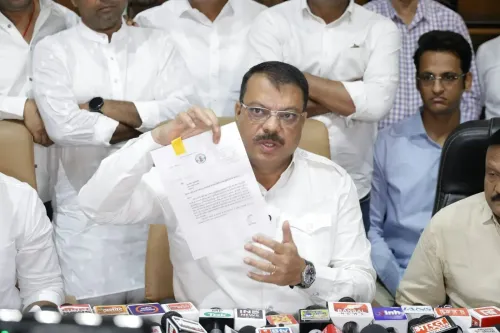
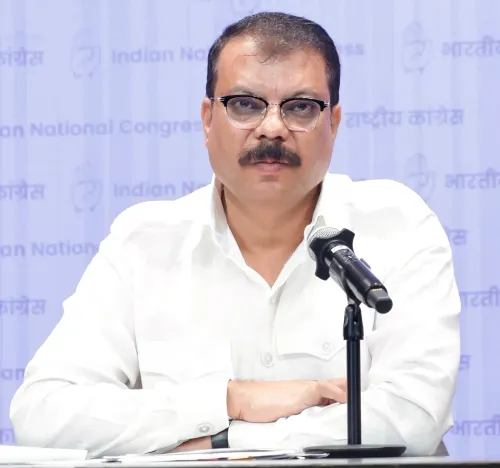
Madhya Pradesh Congress President Jitu Patwari on Wednesday publicly questioned Sisodia's reinstatement to a senior field role, saying that families affected by the Bhagirathpura tragedy were still awaiting justice and accountability. In a post on social media platform X, Patwari raised pointed questions: what action had been taken on the inquiry commission's report, and what considerations had guided the decision to post Sisodia as Raisen Collector.
Patwari also alleged that political connections and favouritism were overriding accountability in administrative postings. 'Has the transfer industry now turned into a transfer factory?' he asked, demanding that Chief Minister Mohan Yadav make the inquiry report public and ensure action against those responsible.
Background: The Bhagirathpura Tragedy
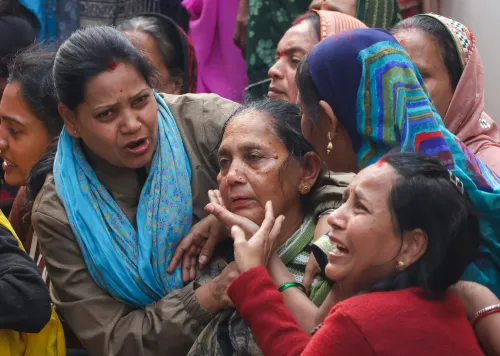
The Bhagirathpura incident involved the supply of contaminated drinking water in Indore, resulting in the deaths of 36 people and triggering widespread concern over drinking water safety and civic administration. At the time of the tragedy, Sisodia was serving as Additional Commissioner of the Indore Municipal Corporation.
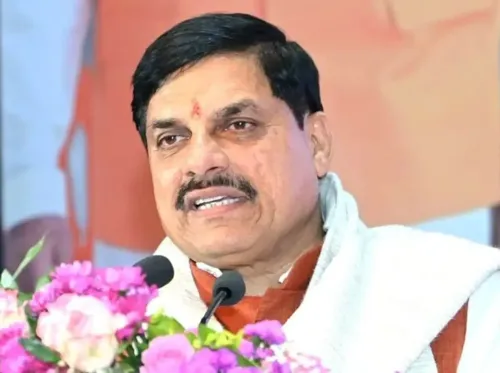
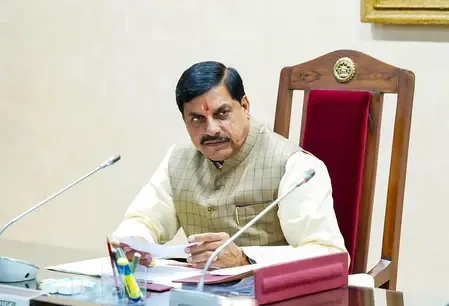
Following the incident, Chief Minister Mohan Yadav ordered Sisodia's suspension on 1 January, describing the action as a stern response by the Bharatiya Janata Party (BJP)-led state government. At a press conference, Yadav had also claimed it was the first time an IAS officer had been suspended in Madhya Pradesh — a statement that framed the move as historically significant.
Contradictions the Opposition Has Seized On
The Congress's challenge rests on a straightforward contradiction: the same government that publicly celebrated the suspension as unprecedented accountability has, within months, placed the same officer in charge of a district. Critics argue this sequence raises questions about whether the inquiry commission's findings were ever acted upon, and whether the suspension was a political gesture rather than a substantive disciplinary measure.
This comes amid a broader pattern in Madhya Pradesh — and across several states — where suspended or charge-sheeted officers have resumed postings without public disclosure of inquiry outcomes, drawing repeated criticism from civil society and Opposition parties alike.
What Happens Next
The Congress has demanded that Chief Minister Mohan Yadav make the inquiry commission's report public and spell out the basis for Sisodia's clearance. As of 14 October 2026, the state government has not publicly responded to these demands. The families of the 36 victims of the Bhagirathpura tragedy reportedly continue to await a formal closure to the accountability process.
Point of View
Inquiry reports stay locked away, and the officer quietly resurfaces in a new posting once the news cycle has moved on. Chief Minister Mohan Yadav personally framed the suspension as unprecedented — which makes the reversal all the more conspicuous. The real question is not whether Sisodia is guilty of the alleged lapses, but whether any finding of the inquiry commission was ever acted upon. Until that report is public, the 36 families of Bhagirathpura — and Madhya Pradesh's citizens — have no way to know whether the state's accountability machinery functioned at all.
NationPress
14 Oct 2026
Frequently Asked Questions
Why was IAS officer Rohit Sisodia suspended?
Rohit Sisodia was suspended on 1 January over alleged administrative lapses linked to the Bhagirathpura water contamination tragedy in Indore, which claimed 36 lives. He was serving as Additional Commissioner of the Indore Municipal Corporation at the time of the incident.
Why is the appointment of Sisodia as Raisen Collector controversial?
The controversy stems from the fact that Chief Minister Mohan Yadav personally described Sisodia's suspension as historic — the first-ever IAS suspension in Madhya Pradesh — and the state government has not made the inquiry commission's report public before reinstating him to a senior district role. Congress leaders argue this sequence suggests political favouritism over accountability.
What has the Congress demanded from the Madhya Pradesh government?
MP Congress President Jitu Patwari has demanded that Chief Minister Mohan Yadav make the inquiry commission's report into the Bhagirathpura tragedy public and ensure concrete action against those responsible. He also alleged that political connections were influencing administrative postings.
What was the Bhagirathpura water contamination tragedy?
The Bhagirathpura incident involved the supply of contaminated drinking water in Indore, resulting in 36 deaths and raising serious questions about drinking water safety and the functioning of civic administration in the city.
How large was the Madhya Pradesh IAS reshuffle that included Sisodia's posting?
The reshuffle, carried out late Tuesday night, involved transfers and new assignments for more than 23 IAS officers. It included new Collectors for Jabalpur, Narmadapuram, Bhind, Panna, Shajapur, Burhanpur, Harda, Balaghat, and Singrauli, as well as changes at the State Secretariat.