Indore water tragedy: Congress flags missing records, 66-day delay in Bhagirathpura crisis
Synopsis
India's cleanest city — Indore — is at the centre of a devastating accountability failure. A judicial commission found sewage-laced pipelines killed at least 22 people in Bhagirathpura, yet critical engineering blueprints went 'missing' before the inquiry and a crucial file sat unsigned for 66 days. Congress is now demanding ₹10 lakh for each victim's family and a government explanation.
Key Takeaways
Madhya Pradesh Congress demanded accountability from the state government on 2 October over the Bhagirathpura drinking water tragedy in Indore .
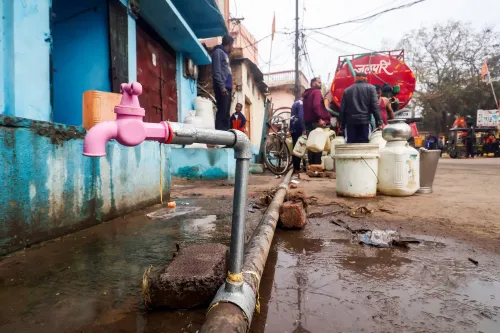
A judicial commission headed by former MP High Court judge Sushil Kumar Gupta found sewage had entered drinking water pipelines, contaminating supply with E. coli and total coliform .
The inquiry examined 36 deaths ; 22 were reportedly considered possibly related to contaminated water, though residents and the Opposition cite higher figures.
Key engineering records — including blueprints and pipeline maps — were reportedly unavailable before the commission, while a sewerage-related file remained pending for 66 days for the Mayor's signature.
The commission recommended ₹10 lakh compensation for each family of the deceased, plus financial and medical aid for affected patients.
The tragedy came to light in December 2025 ; the commission's report was submitted to the High Court in August 2026 .
Madhya Pradesh Congress on Friday, 2 October demanded accountability from the state government over the disappearance of key engineering documents and prolonged administrative delays linked to the Bhagirathpura drinking water tragedy in Indore. The party said findings from a judicial inquiry into the crisis raised serious questions about how the city's water and sewerage infrastructure was planned, maintained, and overseen.
What the judicial inquiry found
The one-member commission, headed by former Madhya Pradesh High Court judge Sushil Kumar Gupta, examined the causes of water contamination, resulting illnesses, and deaths, alongside administrative and technical shortcomings. The report was submitted to the High Court in August. According to findings cited by the Congress, sewage entered drinking water pipelines in Bhagirathpura, rendering the supplied water contaminated and unfit for human consumption. The commission found bacteria including E. coli and total coliform in water samples, and linked the contaminated supply to water-borne illnesses such as gastroenteritis, vomiting, diarrhoea, and dehydration.
Missing records and the 66-day delay
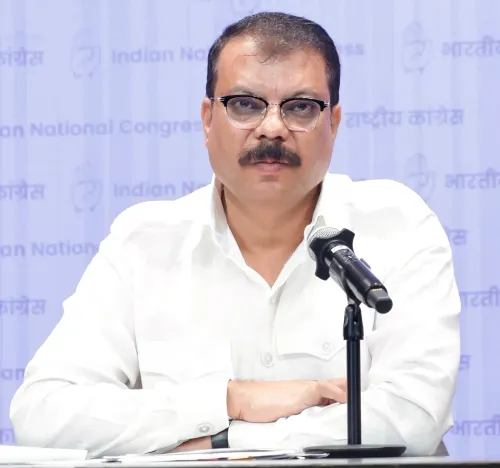
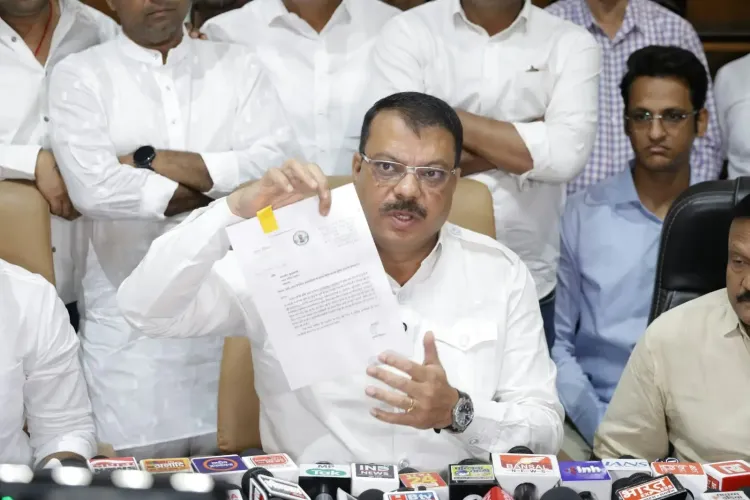
Leader of Opposition Umang Singhar said the absence of critical technical documentation — including layout plans, blueprints, design drawings, and pipeline alignment maps — was particularly alarming. 'Important engineering records were not made available before the commission. The government must explain why such records were unavailable and who will be held accountable for this lapse,' Singhar said at a press conference in Indore. He further highlighted that a file connected with sewerage infrastructure work remained pending for 66 days awaiting the Mayor's signature, calling the delay inexplicable. The commission, however, reportedly did not fix personal responsibility on the Mayor solely on account of this delay, according to media reports of the findings.
Death toll and attribution
The inquiry examined 36 deaths associated with the outbreak. According to report details cited by Singhar, 22 deaths were considered possibly related to contaminated water consumption. The figure has been presented with attribution, as local residents and the Opposition have publicly cited a higher overall death toll. The commission also concluded that timely replacement of damaged pipelines could have prevented the tragedy, placing administrative delays at the centre of its findings.
Congress demands compensation and transparency
Singhar demanded immediate implementation of the commission's recommendations, which include ₹10 lakh in compensation for the families of those who died, along with financial and medical assistance for affected patients. 'How did deaths occur due to contaminated drinking water in the country's cleanest city?' he asked, pointing to Indore's reputation as India's top-ranked clean city under the Swachh Survekshan. 'The people of Bhagirathpura deserve transparency, accountability and justice,' he said, pressing the government to disclose when compensation would be released.
Background: The Bhagirathpura crisis
The tragedy first came to light in December 2025 after residents of Bhagirathpura began falling ill following the consumption of contaminated drinking water. The episode drew national attention given Indore's standing as one of India's cleanest cities. The judicial commission's findings have since placed the spotlight on systemic gaps in urban water network management, infrastructure upkeep, and civic accountability. As the state government faces mounting pressure, the next critical milestone will be its formal response to the commission's recommendations and the timeline for disbursing compensation to affected families.
Point of View
And neither answer is reassuring. The 66-day file delay is a textbook accountability gap: the commission declined to assign personal blame, leaving no individual responsible for an outcome that cost at least 22 lives. Indore's Swachh Survekshan rankings measure surface cleanliness; they have never measured the integrity of underground infrastructure or the administrative systems governing it. Until those metrics are part of the assessment, the 'cleanest city' tag risks masking what lies beneath.
NationPress
2 Oct 2026
Frequently Asked Questions
What happened in the Bhagirathpura water tragedy in Indore?
The Bhagirathpura water tragedy came to light in December 2025, when residents began falling ill after consuming contaminated drinking water. A judicial commission found that sewage had entered drinking water pipelines in the area, introducing bacteria including E. coli and total coliform, and causing water-borne illnesses such as gastroenteritis and dehydration.
How many deaths have been linked to the Bhagirathpura contaminated water incident?
The judicial commission examined 36 deaths associated with the outbreak; 22 were reportedly considered possibly related to contaminated water, according to report details cited by the Congress. Local residents and the Opposition have publicly cited a higher overall death toll, and the figure remains contested.
What engineering records went missing in the Bhagirathpura inquiry?
According to Congress leader Umang Singhar, critical technical documents — including layout plans, blueprints, design drawings, and pipeline alignment maps — were not made available before the judicial commission. These records are considered essential for understanding and maintaining an urban water and sewerage network.
What compensation has the judicial commission recommended for victims' families?
The commission recommended ₹10 lakh for the families of those who died in the Bhagirathpura water tragedy, along with financial and medical assistance for affected patients. Congress is demanding the state government disclose when these recommendations will be implemented and when compensation will be released.
Why is the 66-day file delay significant in the Bhagirathpura case?
A file related to sewerage infrastructure work reportedly remained pending for 66 days awaiting the Mayor's signature, according to Congress leader Umang Singhar. The commission examined this delay as part of its inquiry into administrative shortcomings, though it reportedly did not fix personal responsibility on the Mayor solely on account of the unsigned file.