Are Thackeray Cousins Shifting Focus to Shakha-Level Visits for BMC Elections?
Synopsis
In a surprising tactical shift, the Thackeray cousins are focusing on shakha-level visits rather than grand rallies as they prepare for the BMC elections. This strategy aims to leverage their grassroots roots and strengthen local connections while countering the BJP's formidable presence.
Key Takeaways
Strategic Shift: Thackeray cousins pivoting to shakha visits.
Grassroots Engagement: Focus on local issues and direct voter interaction.
Sentimental Value: Emotional significance of shakha visits for Marathi voters.
Resource Management: Low-cost, high-impact campaign strategy.
Decentralized Approach: Returning to mohalla-level politics.
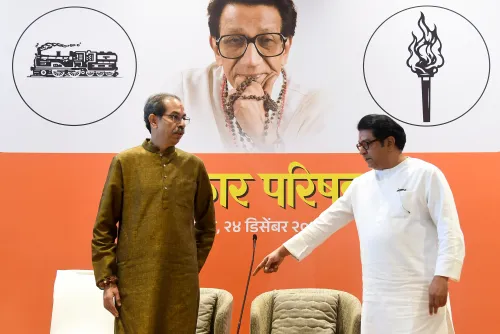
Mumbai, Jan 7 (NationPress) The strategic transition of Uddhav and Raj Thackeray from large-scale rallies to shakha-level visits signifies a deliberate tactical shift aimed at leveraging the Shiv Sena’s longstanding grassroots advantage over the resources and network of the BJP-Sena (Shinde) coalition.
In a bid to counter the formidable BJP-Shiv Sena alliance, both cousins are optimistic that this approach will yield positive results in the upcoming BMC elections.
Notably, Uddhav Thackeray’s son Aaditya and Raj Thackeray’s son Amit are also intensifying their outreach through shakha visits. The Thackeray cousins are likely to host only one major rally on January 11 at Shivaji Park, while concentrating on their shakha-level engagements.
The shakha, or local party office, has historically served as the core of the Shiv Sena. By visiting individual shakhas, the Thackeray cousins are shifting the focus from media-driven 'optics'—a realm where the BJP excels—to personal interactions. Unlike rallies that deliver broad messages, shakha visits enable leaders to tackle specific ward issues, such as local water problems, redevelopment delays, and neighborhood safety. For a Marathi voter, witnessing a Thackeray entering their local shakha holds significant emotional value, reinforcing the 'sons of the soil' narrative that the Shinde faction is attempting to appropriate.
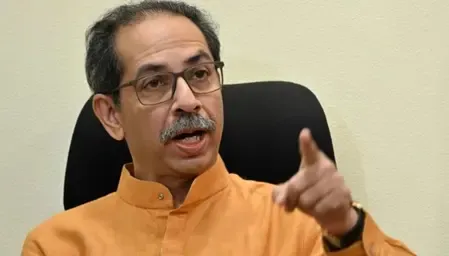
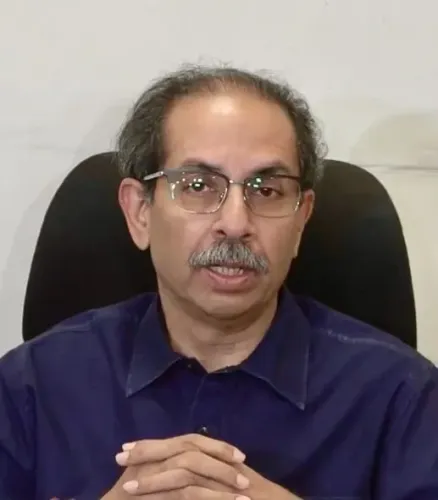
Following the party's split, a significant challenge for the UBT and MNS has been maintaining their cadres' morale against a well-funded Mahayuti alliance. Uddhav Thackeray has faced past criticism for perceived inaccessibility, and these shakha visits directly address that concern, helping him emerge as a leader on the ground. These visits serve as informal review sessions where leaders can assess the activity levels of local workers, ensuring that booth-level organization—the most essential aspect of municipal elections—is strong. The BJP-Shinde Sena alliance enjoys superior financial and state resources, and large rallies can be costly and vulnerable to being overshadowed by the ruling coalition's even bigger events.
According to insiders from Shiv Sena(UBT) and MNS, shakha visits are low-cost yet high-impact strategies. They enable the Thackerays to maintain a sustained campaign without depleting resources. “While news outlets might spotlight a massive BJP rally, the Thackerays are quietly engaging with community members, making it challenging for opponents to gauge their true momentum,” remarked a senior Shiv Sena(UBT) leader accompanying Uddhav during his shakha visits.
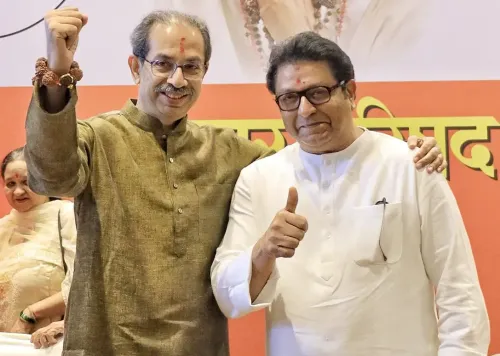
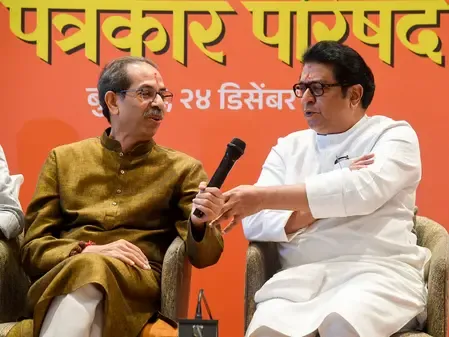
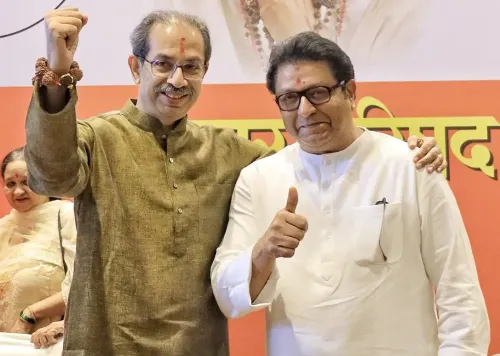
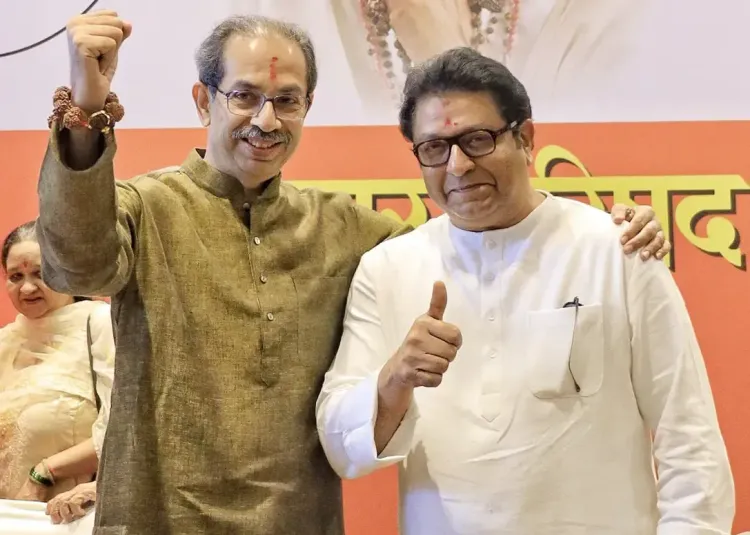
Since Uddhav and Raj have recently joined forces to uphold the Marathi identity, coordinated shakha visits amplify their presence across every corner of Mumbai. By appearing together at the local level, they send a strong message to voters that the familial rift is resolved and they are committed to reclaiming their stronghold in the BMC. This is crucial as Shiv Sena chief and Deputy Chief Minister Eknath Shinde seeks to win over individual shakha leaders. By asserting their presence in these offices, the Thackerays are effectively solidifying their remaining strongholds and preventing further defections.
Political analysts suggest that the choice to pivot towards shakhas is a strategy aimed at reaching the maximum number of constituents instead of expending energy on rallies. By concentrating on one major rally (likely at Shivaji Park) and numerous smaller meetings, they achieve a dual objective: demonstrating strength while ensuring deep, ward-by-ward engagement that is difficult for a centralized campaign to counter.
Analysts view this strategy as an effort to decentralize the campaign. By reverting to the mohalla-level politics that Shiv Sena founder Bal Thackeray employed to build the party, they are banking on local loyalty and personal presence to outweigh the BJP's national narrative and the administrative prowess of the Shinde faction.
(Contact: Sanjay Jog at sanjay.j@ians.in)
Point of View
The Thackeray cousins' tactical shift to shakha-level engagement underscores a significant evolution in their political strategy, aiming to reclaim their influence amid a competitive environment. This approach reflects a broader trend of localizing political campaigns in an era dominated by mass media.
NationPress
27 Sept 2026
Frequently Asked Questions
Why are Uddhav and Raj Thackeray focusing on shakha visits?
They are shifting their strategy to leverage grassroots engagement and address local issues directly, moving away from large rallies.
What is the significance of the shakha in Shiv Sena's history?
The shakha has historically been the core of Shiv Sena operations, serving as local party offices where community issues are addressed.
How do shakha visits benefit the Thackeray cousins?
Shakha visits allow for direct interaction with voters, addressing ward-specific grievances, and reinforcing their local presence.
What challenges do the UBT and MNS face against the BJP-Shinde alliance?
They face significant challenges in maintaining morale among cadres and competing against the financial resources of the BJP-Shinde alliance.
What is the expected outcome of this shift in strategy?
The Thackeray cousins hope to strengthen their grassroots support and reclaim influence in the upcoming BMC elections.