Tibetans Commemorate 67 Years Since 1959 Uprising, Highlight Ongoing Resistance to Chinese Oppression

Synopsis
On the 67th anniversary of the Lhasa uprising, Tibetans worldwide unite to reaffirm their enduring struggle against Chinese repression. Despite oppression, their cultural identity remains resilient, emphasizing the importance of memory and faith.
Key Takeaways
March 10 commemorates the 1959 uprising , symbolizing Tibetan resistance.
China's efforts to control Tibetan identity include censorship and repression.
Tibetan resilience is based on faith, philosophy, and collective memory.
The Tibetan diaspora unites annually to voice their struggle.
Repression fuels a stronger commitment to identity among Tibetans.
Taipei, March 10 (NationPress) As the global Tibetan community commemorates the 67th anniversary of the Lhasa uprising today, China persists in its unyielding efforts to dominate Tibetan territory and cultural identity, as revealed in a recent report.
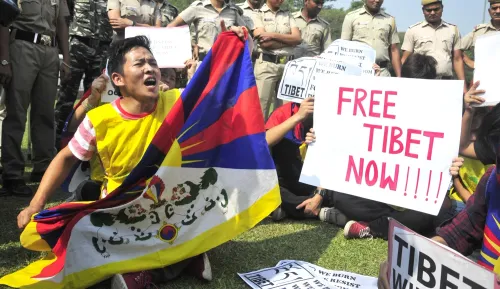
The revolt on March 10, 1959, witnessed ordinary Tibetan individuals bravely standing against Chinese military forces in a quest to preserve their dignity, culture, and faith.
The Taipei Times editorial noted that despite the extensive surveillance, propaganda, and oppressive tactics employed by Beijing, the indomitable spirit of the Tibetan people endures.
“China’s approach has always extended beyond mere territorial occupation. It aims to fundamentally alter Tibetan identity — rewriting historical narratives, controlling places of worship, and attempting to disrupt the connection between Tibetans and the Dalai Lama. Educational materials are censored, language policies undermine Tibetan education, and religious practices are monitored or limited. The objective is evident: to cultivate allegiance to the Chinese Communist Party by obliterating the memories of resistance and aspirations for freedom,” the editorial articulated.
“Yet, the colonization of minds is a challenging endeavor. Tibetan resilience is built on three fundamental pillars: faith, philosophy, and collective memory. Buddhism teaches endurance, compassion, and the fleeting nature of suffering, which have fortified Tibetans against hopelessness. Families transmit stories of the uprising, exile, and survival, ensuring that oral history withstands official attempts at erasure,” it further explained.
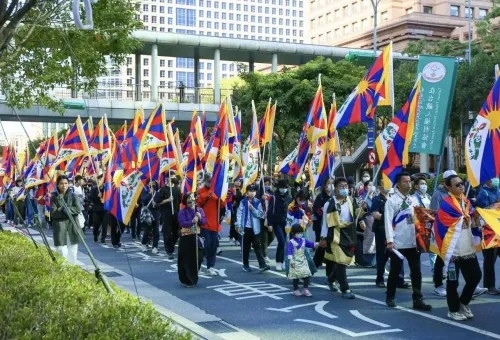
The editorial emphasized that every March 10, the Tibetan diaspora and their supporters around the world amplify their voices, reminding the global community of their ongoing struggle against the oppressive actions of Chinese authorities.
“Efforts to control thought often have the opposite effect. The more Beijing demands conformity, the more Tibetans hold firmly to their cultural identity. The act of repression itself becomes evidence of the profound truth Tibetans carry within — that their culture and dignity are not bestowed by the state, but are legacies from centuries of civilization,” it stated.
“March 10 serves not only as a day of mourning but also as one of defiance. It highlights the reality that oppression has its limits: it can dictate actions but cannot command beliefs. Each year, Tibetans reaffirm their mental freedom, even when their physical bodies are constrained,” the editorial concluded.
Highlighting that China’s failures over the past 67 years illustrate the futility of attempting to suppress the human spirit, the report asserted, “Tibetans endure because they understand that identity is not a privilege granted by authority, but a treasure safeguarded through memory, practice, and faith. As long as March 10 is commemorated, Beijing's efforts at control will remain incomplete.
Point of View
Highlighting the challenges faced by those under authoritarian regimes.
NationPress
23 Sept 2026
Frequently Asked Questions
What is the significance of March 10 for Tibetans?
March 10 marks the anniversary of the 1959 uprising in Lhasa, symbolizing Tibetan resistance against Chinese oppression and a reaffirmation of their cultural identity.
How has China attempted to control Tibetan identity?
China has employed strategies such as censorship of educational materials, control over religious practices, and efforts to sever ties between Tibetans and the Dalai Lama to reshape Tibetan identity.
What are the pillars of Tibetan resilience?
Tibetan resilience is founded on three pillars: faith, philosophy, and collective memory, which help them endure and maintain their cultural identity.
How do Tibetans commemorate their struggle?
Every year on March 10, Tibetans and their allies around the world raise their voices to remind others of their ongoing struggle against repression and to celebrate their cultural heritage.
What message does March 10 convey?
March 10 serves as a reminder that oppression has its limits, highlighting that while behavior can be dictated, belief and cultural identity cannot be commanded.