TMC rebel MLAs seize party office in Kolkata, lock out loyalists
Synopsis
TMC's internal war turned physical on 3 July when rebel MLAs — including former Kolkata Mayor Firhad Hakim — seized the party's main Kolkata office and locked out loyalists, one day after approaching the ECI to claim the party's name and symbol. The faction led by expelled legislator Ritabrata Banerjee is now fighting for the party's institutional identity on two fronts simultaneously.
Key Takeaways
The TMC rebel faction led by expelled MLA Ritabrata Banerjee physically occupied the party's Metropolitan office on Eastern Metropolitan Bypass, Kolkata on 3 July .
Rebel MLAs hoisted a banner naming veteran legislator Arup Roy as party chairperson before locking the main gate on departure.
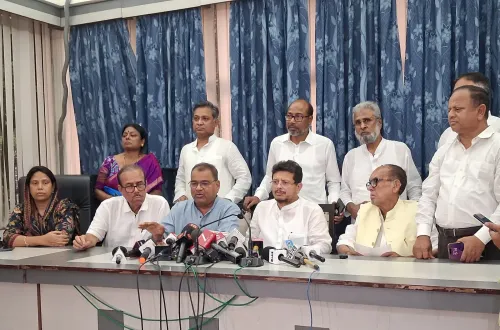
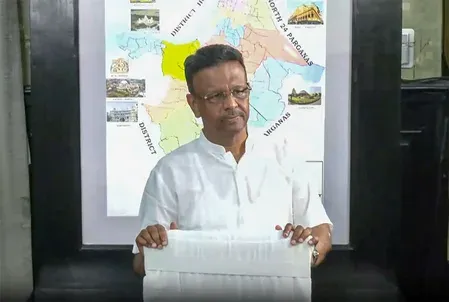
Key rebel figures present included former Kolkata Mayor Firhad Hakim , former minister Javed Ahmed Khan , Chief Whip Akhruzzaman , and MLA Sandipan Saha .
The takeover followed by one day a rebel delegation's hearing before the full bench of the Election Commission of India , where they staked claim to the TMC name and election symbol.
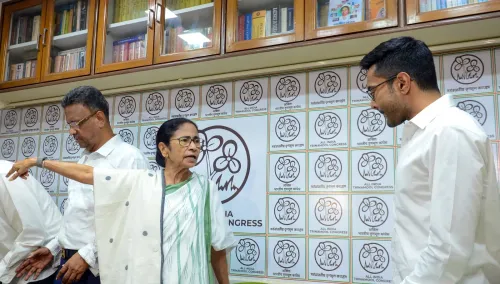
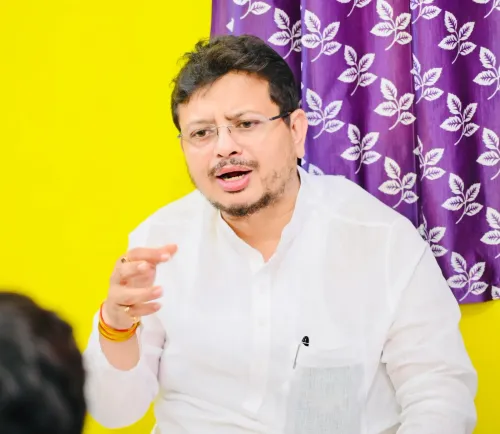
TMC loyalist Kunal Ghosh , aligned with Mamata Banerjee and Abhishek Banerjee , arrived at the locked office and reportedly threatened to break open the gate.
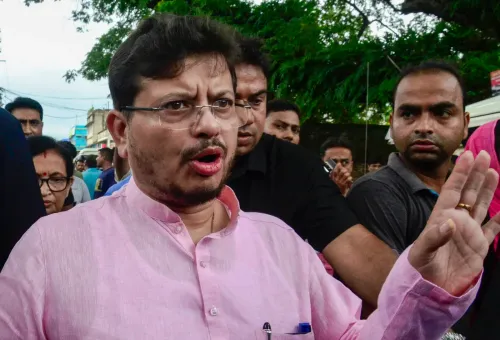
A faction of Trinamool Congress (TMC) rebel legislators physically took control of the party's main office at Metropolitan on Eastern Metropolitan Bypass in Kolkata on the evening of Friday, 3 July, marking a sharp escalation in the bitter internal feud that has gripped the West Bengal assembly's legislative party. The group, describing itself as the 'rebel but majority' faction, is led by expelled TMC legislator Ritabrata Banerjee, who currently serves as the official Leader of the Opposition in the West Bengal Assembly.
How the Takeover Unfolded
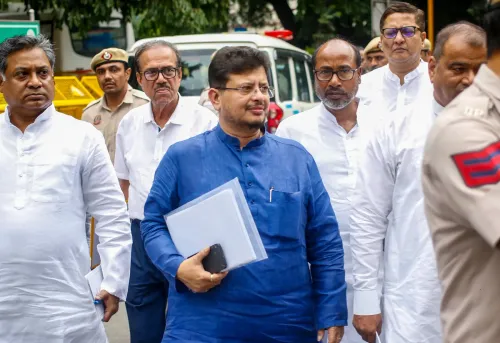
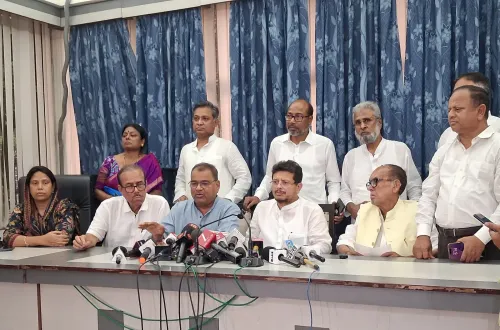
A contingent of legislators from the rebel bloc arrived at the Metropolitan party office and hoisted a banner at the entrance bearing the name of veteran TMC MLA Arup Roy as the party's chairperson. The group included several political heavyweights: former Kolkata Mayor and former West Bengal Minister Firhad Hakim, former state minister Javed Ahmed Khan, sitting Chief Whip of TMC's legislative party Akhruzzaman, and legislator Sandipan Saha, among others.
After holding an internal meeting inside the office, the faction departed — but not before locking the main entrance gate, effectively barring entry to rivals.
The Loyalist Response
Within a short time, Kunal Ghosh, a prominent face of the opposing 'original but minority' faction — which maintains allegiance to former West Bengal Chief Minister Mamata Banerjee and her nephew Abhishek Banerjee — arrived at the same office. Ghosh declared his intent to break open the lock on the entrance gate. At the time of reporting, Ghosh and several associates remained stationed outside the office, which falls under the Beliaghata Assembly constituency — the very seat Ghosh represents as a legislator.
Backdrop: ECI Claim and Deepening Split
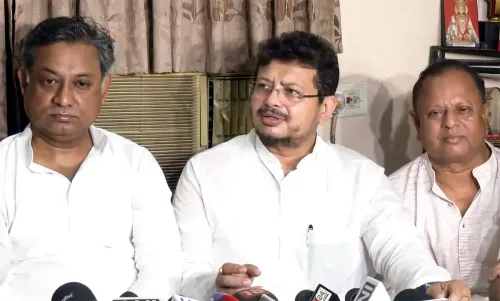
The dramatic office seizure came just one day after a ten-member delegation from the rebel faction met the full bench of the Election Commission of India (ECI), pressing their claim to the TMC party name and its official election symbol. The ECI hearing adds a constitutional dimension to what began as an internal legislative dispute, potentially determining which faction holds legal ownership of one of West Bengal's most powerful political brands.
This is not merely a factional squabble — it represents a direct contest over the institutional identity of the Trinamool Congress. The rebel bloc's move to physically occupy the party's registered office, combined with its parallel legal claim before the ECI, signals a coordinated strategy to wrest formal control from the Mamata-Abhishek leadership.
What Happens Next
The ECI's adjudication of the symbol and name dispute will be the key determinant of which faction emerges with recognised legitimacy. Meanwhile, the standoff at the Metropolitan office risks further confrontation between the two groups. Political observers note that the involvement of figures of the stature of Firhad Hakim — long considered a Mamata loyalist — marks a significant shift in the balance of power within the legislative party.
Point of View
The rebel faction is building a narrative of de facto control to complement its de jure claim. What is striking is the seniority of those involved: Firhad Hakim's presence in the rebel camp signals that this split runs far deeper than a disgruntled fringe. The Mamata-Abhishek leadership now faces a two-front challenge — a constitutional dispute at the ECI and a physical contest on the ground — and the outcome of the symbol case could redraw West Bengal's political map ahead of the next assembly cycle.
NationPress
2 Oct 2026
Frequently Asked Questions
What happened at the TMC party office in Kolkata on 3 July?
Rebel Trinamool Congress MLAs led by expelled legislator Ritabrata Banerjee took control of the party's main office at Metropolitan on Eastern Metropolitan Bypass in Kolkata on 3 July evening. They hoisted a banner, held an internal meeting, and locked the entrance gate before leaving.
Who is Ritabrata Banerjee and why is he significant?
Ritabrata Banerjee is an expelled TMC legislator who currently serves as the official Leader of the Opposition in the West Bengal Assembly. He heads the 'rebel but majority' faction of TMC's legislative party, which is contesting the formal leadership of the party against the Mamata Banerjee-Abhishek Banerjee camp.
What is the Election Commission claim about?
A ten-member rebel delegation met the full bench of the Election Commission of India on 2 July, arguing their right to the Trinamool Congress party name and its official election symbol. The ECI's ruling on this claim will determine which faction holds legal ownership of the party's identity.
Who is Kunal Ghosh and which side is he on?
Kunal Ghosh is a TMC legislator from the Beliaghata constituency — the same area where the disputed party office is located. He belongs to the 'original but minority' faction that remains loyal to former Chief Minister Mamata Banerjee and Abhishek Banerjee. He arrived at the locked office shortly after the rebel group departed.
Which senior leaders joined the rebel faction's office takeover?
The rebel group included former Kolkata Mayor and former West Bengal Minister Firhad Hakim, former state minister Javed Ahmed Khan, sitting TMC legislative party Chief Whip Akhruzzaman, and MLA Sandipan Saha, among others — indicating the split extends well beyond a small dissident group.