How Must Hindi and Local Languages Evolve Together to Foster Unity? - Tripura CM
Synopsis
Tripura's Chief Minister Manik Saha calls for the simultaneous growth of Hindi and local languages. He argues that language should connect rather than divide, reinforcing unity in India's linguistic diversity. This call to action comes during a significant language conference aimed at promoting regional languages while enhancing the role of Hindi.
Key Takeaways
Hindi and local languages should evolve together .
Language is a tool for unity, not division .
Multilingual education is vital for cultural preservation .
Government supports the revival of Indian languages .
Engaging children in their mother tongue enriches their identity .
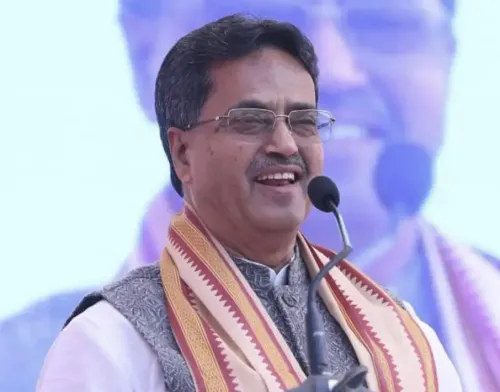
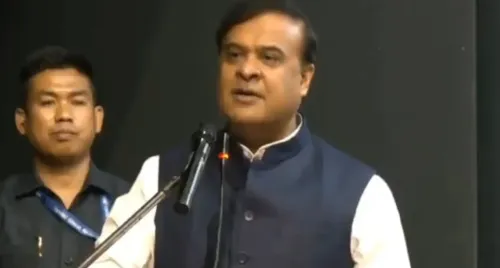
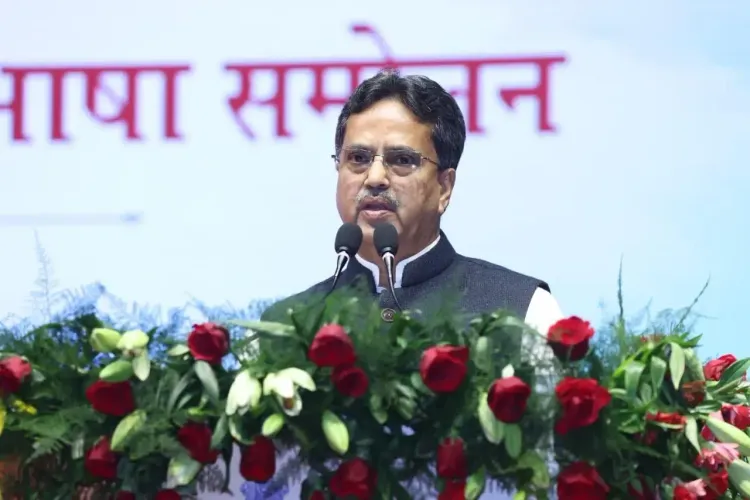
Agartala, Feb 20 (NationPress) The Chief Minister of Tripura, Manik Saha, emphasized on Friday that the safeguarding of local languages should progress alongside the elevation of Hindi, highlighting that the fundamental role of language is to unify individuals rather than create separations.
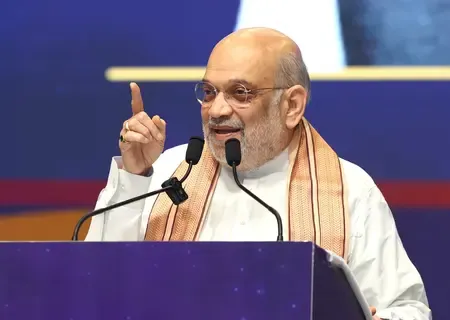
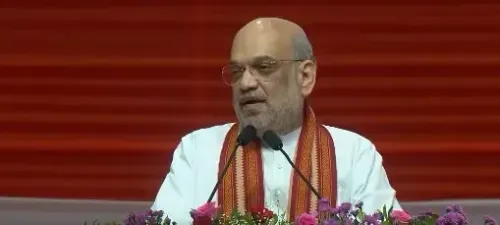
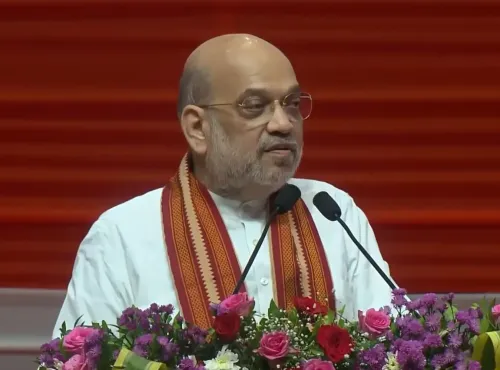
During his address at the Eastern, North-Eastern and Northern Regional Rajbhasha Sammelan, which was inaugurated by Union Home Minister Amit Shah at the International Indoor Exhibition Centre in Hapania, Chief Minister Saha expressed that the conference aims to drive collective advancement through India’s official language while also ensuring the prosperity of regional languages.
He extended a warm welcome to representatives from over 20 states, thanking Union Home Minister Shah for selecting Tripura as the host for this significant gathering and commended the officials for their efforts in organizing the event.
Chief Minister Saha highlighted that a language understood by many strengthens the relationship between citizens and the government, with Hindi playing a pivotal role in this aspect.
"India is a land rich in languages. Hindi serves as a unifying force for the people of the world's largest democracy, yet it must not eclipse local languages. Both must thrive together as this diversity is our strength," he stated.
He noted that under Prime Minister Narendra Modi's leadership, India is experiencing a renaissance in the revival and promotion of Indian languages, including Sanskrit.
Moreover, he pointed out the focus on multilingual education as per the National Education Policy, 2020, which encourages the use of mother tongues as a medium of instruction.
Referencing Tripura’s experience, Chief Minister Saha remarked that the understanding and use of Hindi have surged in the state while local languages remain vibrant, which he described as the identity and essence of the populace.
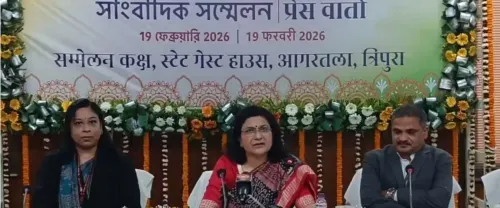
Among those present at the event were Minister of State for Home Affairs Bandi Sanjay Kumar, MPs Rajib Bhattacharya, Biplab Kumar Deb, Kriti Singh Debbarma, Anshuli Arya from the Department of Official Language, Milan Rani Jamatia from Tripura Central University, along with various Ministers, MLAs, public representatives, and senior officials.
Over 3,000 delegates from central government offices, public sector undertakings, and banks attended the conference, with representatives from eastern, northeastern, and northern states and Union Territories.
In his remarks, Union Home Minister Shah stated that languages and their scripts should not be politicized or turned into subjects of controversy. He urged parents to converse with their children in their mother tongue, cautioning that failing to do so could deprive future generations of their literature, culture, and history.
He also stressed that if children do not learn their mother tongue effectively, they would struggle to understand their roots, traditions, and cultural heritage. "The government has emphasized that primary education should be conducted in students' own mother tongues," Union Home Minister Shah added, highlighting the importance of using 'Nagari Lipi' for local languages to help preserve linguistic identities.
Point of View
The emphasis on preserving local languages while promoting Hindi reflects a balanced approach to cultural identity. The insights shared by Chief Minister Saha during this conference highlight the importance of linguistic unity in a diverse nation like India. This initiative aligns with the broader objective of fostering inclusivity and understanding among various cultural groups.
NationPress
30 Sept 2026
Frequently Asked Questions
Why is the preservation of local languages important?
Preserving local languages is essential for maintaining cultural identity, heritage, and historical narratives. It ensures that future generations remain connected to their roots and traditions.
What role does Hindi play in uniting people in India?
Hindi serves as a common linguistic thread that helps bridge communication gaps among diverse populations, fostering national unity in a multilingual society.
How does the National Education Policy support multilingual education?
The National Education Policy encourages the use of mother tongues in educational settings, promoting multilingualism and enhancing cognitive skills among students.