Trump backs Iraqi PM Zaidi's crackdown on oil smuggling, arms
Synopsis
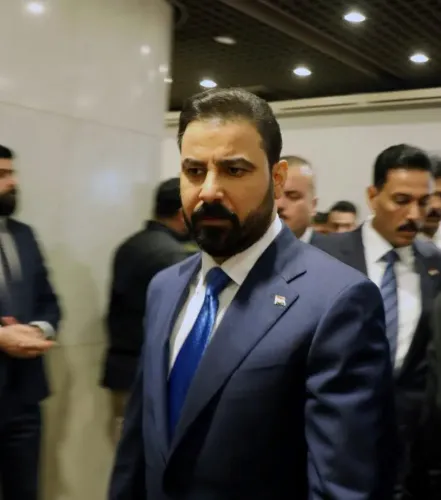
Trump has publicly backed Iraq's new crackdown just three days after PM Ali al-Zaidi seized control of Kurdish border crossings and oil export approvals. Baghdad insists no foreign government is directing the move. Washington's backing still tilts a two-decade oil feud with the Kurdistan Regional Government, which warns its constitutional rights are at stake.
Key Takeaways
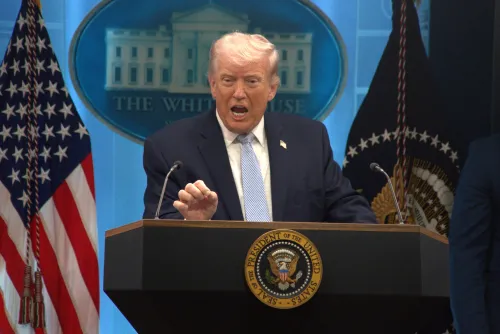
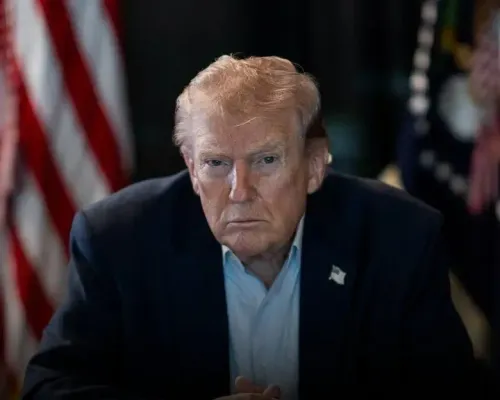
Donald Trump backed Iraqi PM Ali al-Zaidi's push to curb oil smuggling and bring weapons under state control on 27 November 2026 .
Zaidi had ordered federal control of Kurdistan Region border crossings and federal approval for oil exports three days earlier.
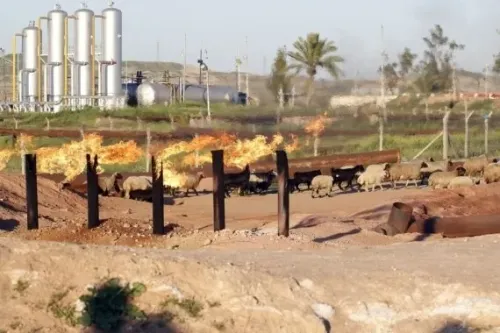
Oilfields in Diyala, Kirkuk, Salahuddin and Nineveh were placed under federal Oil Ministry management.
The head of the Border Ports Authority was removed and the North Oil Company director general suspended, according to OCCRP.
The KRG , led by Masrour Barzani , rejected military threats and called for negotiations.
Iraq's Federal Supreme Court struck down Kurdistan's 2007 oil law in 2022 .
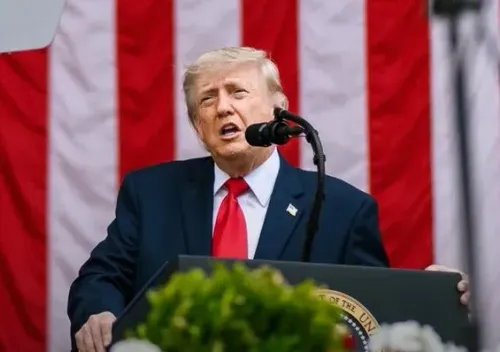
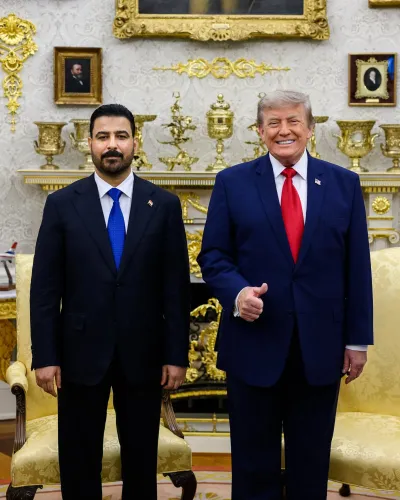
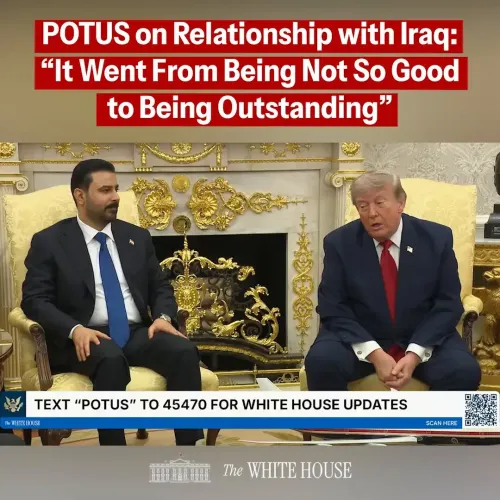
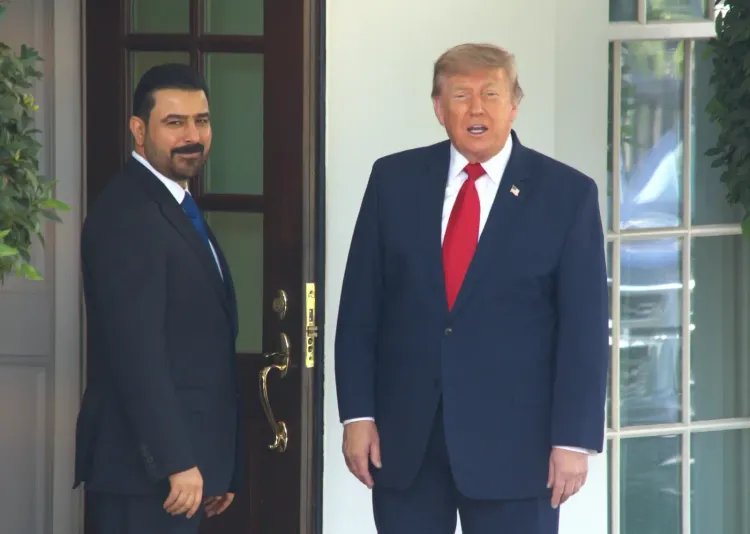
US President Donald Trump on Friday, 27 November 2026, publicly backed Iraqi Prime Minister Ali al-Zaidi's drive to curb oil smuggling, fight corruption and bring all weapons under government control. The endorsement comes as Baghdad's campaign to extend federal authority over borders and oil meets resistance from the Kurdistan Regional Government (KRG).
The intervention puts Washington's weight behind one of the most contentious federal-regional disputes in Iraq. Control of oil revenue has divided Baghdad and Erbil for nearly two decades.
What Trump Said on Truth Social
In a post on Truth Social, Trump backed the Iraqi leader's efforts to “bring all weapons under the exclusive control of the state”. He also endorsed the goal of a “united, prosperous, and strong Iraq that makes its own political decisions”.
The post signalled broader US support for Zaidi's push to strengthen the Iraqi state and its ability to make independent political decisions.
Baghdad's Crackdown on Borders and Oil
The endorsement came three days after Zaidi ordered federal authorities to take control of border crossings in the Kurdistan Region. He also required federal approval for oil exports, according to Iraqi news outlet 964media.
The measures followed an investigation into suspected smuggling at the state-owned North Oil Company. They also directed the federal Oil Ministry to manage oilfields under Kurdish security control in Diyala, Kirkuk, Salahuddin and Nineveh provinces.
The campaign has reached senior officials. The Organized Crime and Corruption Reporting Project (OCCRP) reported that Zaidi removed the head of the Border Ports Authority, suspended the North Oil Company's director general and dismissed several senior security officials.
Kurdistan Regional Government Pushes Back
The KRG has challenged Baghdad's approach. It argues that the measures undermine Iraq's federal system and the region's constitutional rights.
After a Cabinet meeting chaired by regional Prime Minister Masrour Barzani on Wednesday, the KRG issued a statement rejecting military threats. It said disputes with the federal government should be settled through negotiations.
The KRG also said it supported efforts to eliminate corruption and illicit trade and would keep cooperating with Baghdad. “We call for the comprehensive eradication of corruption and oil smuggling across all of Iraq,” the regional government said. It added that fulfilling its constitutional obligations must go alongside recognition of its constitutional rights.
A Dispute Two Decades in the Making
The standoff goes deeper than the latest smuggling allegations. Control over oil production, exports and revenue has split Baghdad and the Kurdish authorities for nearly two decades, OCCRP reported.
Kurdish authorities signed contracts with foreign companies under a regional oil law adopted in 2007. Iraq's Federal Supreme Court ruled that law unconstitutional in 2022. Baghdad's current push to assert control over exports follows from that ruling.
Zaidi Defends Federal Authority
Zaidi has described the measures as an assertion of federal responsibilities. Meeting European Union ambassadors on Thursday, he said his government would enforce federal authority over borders and oil, according to his office's account as reported by 964media.
A day earlier, his office had said the measures were not being taken at the direction of a foreign government. Trump's public backing on Friday adds US support to Zaidi's stated objectives. Baghdad and the Kurdish authorities remain divided over how those objectives should be pursued, and the next round of negotiations between the two sides is likely to be closely watched.
Point of View
But taking border crossings by order rather than negotiation revives old fears in Erbil about federal overreach. For India, which buys heavily from Iraq, a centralised and predictable oil export regime matters more than who wins the political argument. Instability in Kirkuk-area output would affect supply far more than the rhetoric does.
NationPress
27 Nov 2026
Frequently Asked Questions
What did Trump say about Iraqi PM Ali al-Zaidi?
Trump backed Zaidi's efforts to “bring all weapons under the exclusive control of the state” in a Truth Social post on 27 November 2026. He also endorsed the goal of a “united, prosperous, and strong Iraq that makes its own political decisions”.
What measures has Iraq's government taken against oil smuggling?
Zaidi ordered federal authorities to take control of Kurdistan Region border crossings and required federal approval for oil exports. He also directed the Oil Ministry to manage oilfields in Diyala, Kirkuk, Salahuddin and Nineveh, following a smuggling probe at North Oil Company.
Why is the Kurdistan Regional Government opposing Baghdad?
The KRG says the measures undermine Iraq's federal system and the region's constitutional rights. It has rejected military threats and wants disputes settled through negotiation, while still backing anti-corruption efforts.
What is the background to the Baghdad-Kurdistan oil dispute?
Control over oil production, exports and revenue has divided Baghdad and Kurdish authorities for nearly two decades. Kurdistan signed foreign oil contracts under a 2007 regional law, which Iraq's Federal Supreme Court ruled unconstitutional in 2022.
Which officials have been removed in Iraq's crackdown?
According to OCCRP, Zaidi removed the head of the Border Ports Authority and suspended North Oil Company's director general. Several senior security officials were also dismissed.