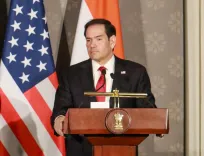
PM Modi congratulates Iraq's new PM Ali al-Zaidi, pledges stronger bilateral ties
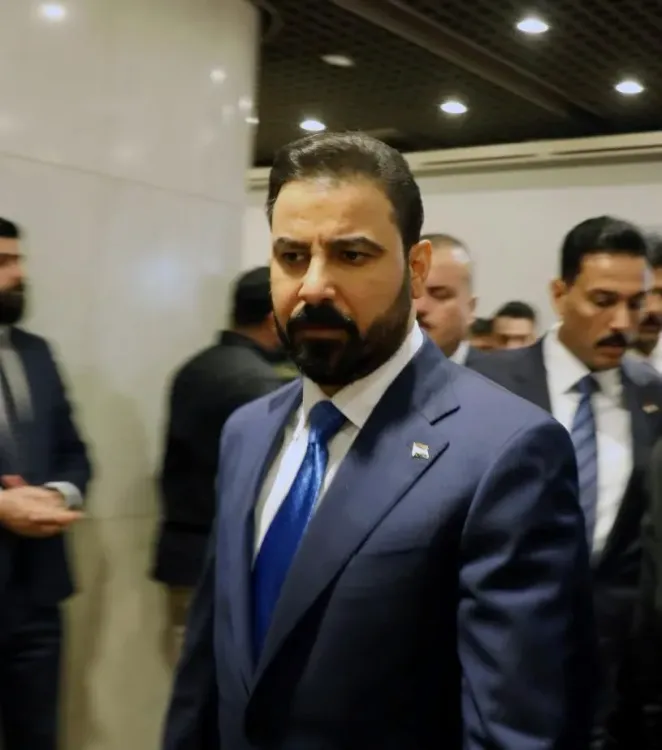
Synopsis
India's Prime Minister Modi wasted no time in reaching out to Iraq's newly sworn-in PM Ali al-Zaidi, whose partial Cabinet — approved by 266 lawmakers — marks a fragile new chapter in Baghdad's fractious coalition politics. With key defence and interior portfolios still unresolved, the durability of al-Zaidi's government remains an open question even as New Delhi signals its readiness to deepen ties.
Key Takeaways
PM Narendra Modi congratulated Ali Falih Kadhim al-Zaidi on 16 May via a post on X , reaffirming India's commitment to stronger bilateral ties with Iraq .
Iraq's Parliament approved 14 Cabinet ministers , with 266 lawmakers voting in favour during a session chaired by Speaker Haibat al-Halbousi .
Key portfolios including the interior and defence ministries remain unconfirmed due to lack of political consensus.
Fuad Hussein retained the foreign minister post; Bassim Mohammed Khudair was named oil minister; Faleh al-Sari was named finance minister.
Iraqi President Nizar Amedi had designated al-Zaidi as prime minister on 27 April , following his nomination by the Coordination Framework , Iraq's largest Shiite parliamentary bloc.
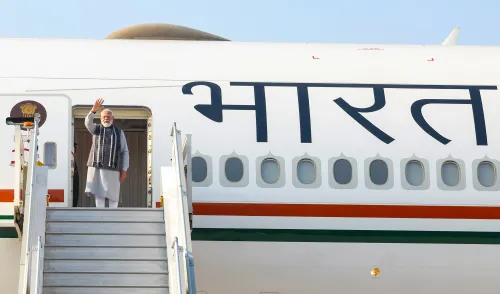
Prime Minister Narendra Modi on Saturday, 16 May extended congratulations to Ali Falih Kadhim al-Zaidi on assuming office as Iraq's new Prime Minister, reaffirming India's commitment to deepening cooperation across all areas of the bilateral relationship. Modi conveyed his message through a post on X, signalling New Delhi's intent to engage actively with Baghdad's new leadership.
Modi's Message to the New Iraqi Leadership
In his post, Prime Minister Modi said: 'Heartiest congratulations to Ali Falih Kadhim al-Zaidi on assuming office as Prime Minister of Iraq. India highly values its long-standing and friendly ties with Iraq and remains firmly committed to further strengthening our bilateral ties in all areas. I extend my best wishes to him and look forward to working together for the shared progress and prosperity of our two nations.'
The message underscores the strategic importance New Delhi places on its relationship with Baghdad, a key partner in West Asia and a significant source of crude oil imports for India.
How Al-Zaidi Came to Power
Ali al-Zaidi was sworn in as Iraq's Prime Minister after Iraq's Parliament approved 14 members of his Cabinet during a session chaired by Speaker Haibat al-Halbousi. According to a parliamentary statement, 266 lawmakers voted in favour of the approved ministers.
Among those confirmed were Fuad Hussein, who retained his position as foreign minister; Bassim Mohammed Khudair as oil minister; and Faleh al-Sari as finance minister. Following the confidence vote, al-Zaidi and the approved ministers took the constitutional oath before Parliament, formally commencing the new administration's tenure.
Key Portfolios Still Pending
Notably, votes on critical portfolios — including the interior and defence ministries — were postponed due to the absence of political consensus. This partial Cabinet approval reflects the complex coalition dynamics that have historically characterised Iraqi politics.
Al-Zaidi was nominated by the Coordination Framework, Iraq's largest parliamentary bloc and a coalition of Shiite political parties. Iraqi President Nizar Amedi had formally appointed him as prime minister-designate on 27 April. Under Iraq's Constitution, a prime minister-designate is required to secure parliamentary approval for both the Cabinet and the government programme within 30 days before formally assuming office — a deadline al-Zaidi met.
Iraq's Power-Sharing Framework
Iraq continues to operate under the post-2003 power-sharing arrangement, under which the presidency is traditionally held by a Kurd, the parliamentary speakership by a Sunni Muslim, and the office of prime minister by a Shiite Muslim. Al-Zaidi's appointment follows this established convention.
With the new government now in place, attention will turn to whether Baghdad can resolve the outstanding ministerial deadlocks and advance a coherent policy agenda — outcomes that will shape the depth of its engagement with partners including India.
Point of View
But it also signals that New Delhi is keen to maintain continuity in its West Asia engagement regardless of Baghdad's internal turbulence. Iraq is among India's top crude oil suppliers, making political stability in Baghdad a matter of direct economic interest for New Delhi. The partial Cabinet — with defence and interior still unresolved — suggests al-Zaidi enters office with limited political capital, a dynamic that could slow bilateral agenda-setting. India would do well to watch whether the new Iraqi government can consolidate before committing to high-profile bilateral initiatives.
NationPress
19 Sept 2026
Frequently Asked Questions
Why did PM Modi congratulate Ali al-Zaidi?
PM Modi congratulated Ali Falih Kadhim al-Zaidi on assuming office as Iraq's new Prime Minister on 16 May 2025, reaffirming India's commitment to strengthening bilateral ties. Modi posted the message on X, expressing hope for shared progress and prosperity between the two nations.
Who is Ali al-Zaidi and how did he become Iraq's Prime Minister?
Ali Falih Kadhim al-Zaidi is Iraq's newly sworn-in Prime Minister, nominated by the Coordination Framework — the country's largest Shiite parliamentary bloc. Iraqi President Nizar Amedi appointed him as prime minister-designate on 27 April, and he secured parliamentary approval for a partial Cabinet on 16 May.
Why was Iraq's Cabinet only partially approved?
Iraq's Parliament approved 14 of the proposed Cabinet ministers, but votes on the interior and defence ministry portfolios were postponed due to the absence of political consensus among the coalition partners. The partial approval reflects the complex power-sharing negotiations that characterise Iraqi coalition politics.
Which ministers were confirmed in Iraq's new Cabinet?
Among those confirmed were Fuad Hussein as foreign minister (retaining his post), Bassim Mohammed Khudair as oil minister, and Faleh al-Sari as finance minister. A total of 266 lawmakers voted in favour of the 14 approved ministers.
What is the significance of India-Iraq bilateral ties?
India and Iraq share long-standing diplomatic and economic ties, with Iraq being a major crude oil supplier to India. PM Modi's message underlines New Delhi's interest in maintaining and deepening cooperation with Baghdad across all areas, including energy, trade, and political engagement.