Iraq PM Ali al-Zaidi sworn in with partial cabinet, key ministries pending
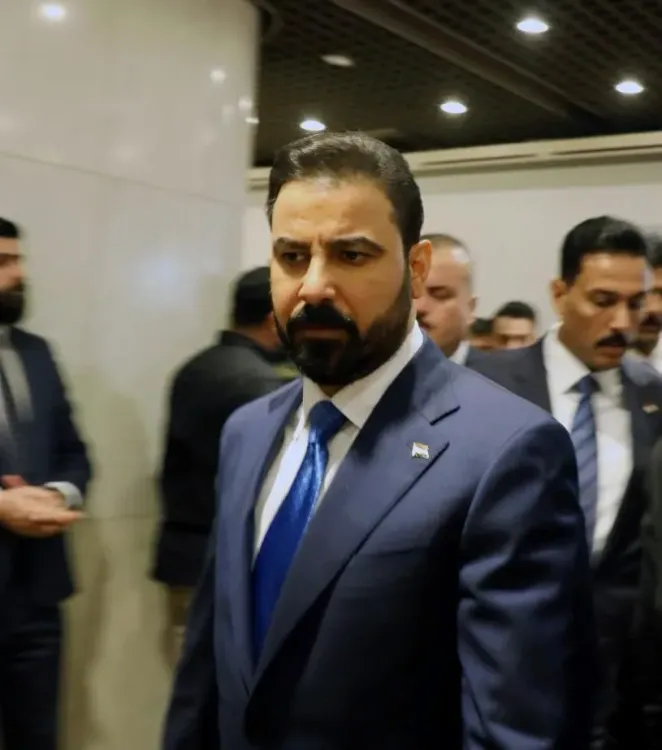
Synopsis
Iraq has a new prime minister — but not a complete government. Ali al-Zaidi was sworn in on 15 May with only 14 of his ministers confirmed, as negotiations over the defence and interior portfolios collapsed. The partial cabinet is a familiar Baghdad pattern, but the unresolved security ministries leave the new government's authority over Iraq's most powerful institutions in limbo.
Key Takeaways
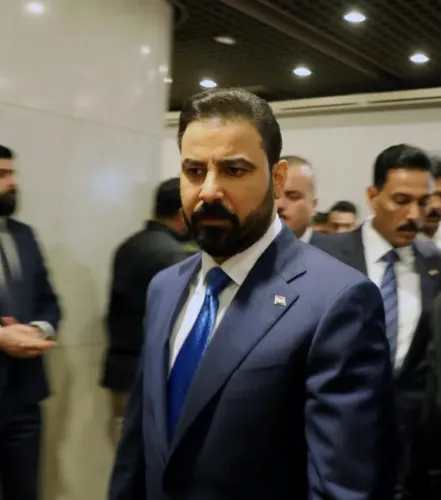
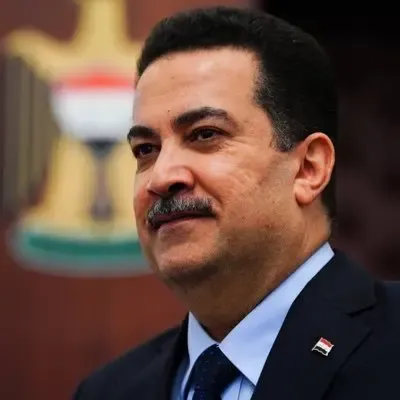
Ali al-Zaidi was sworn in as Iraq's Prime Minister on 15 May 2025 in Baghdad .
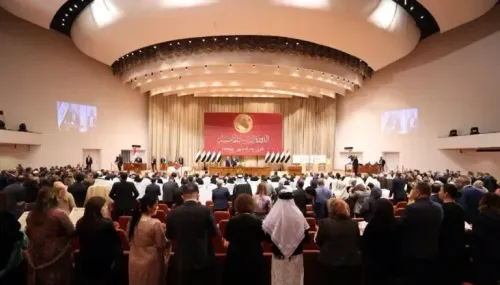
Parliament approved 14 ministers , with 266 lawmakers voting in favour during a session chaired by Speaker Haibet al-Halbousi .
The defence and interior ministries remain unconfirmed, with votes postponed for further political consultations.
Al-Zaidi was nominated by the Coordination Framework , Iraq's largest parliamentary bloc, and designated by President Nizar Amedi on 27 April 2025 .
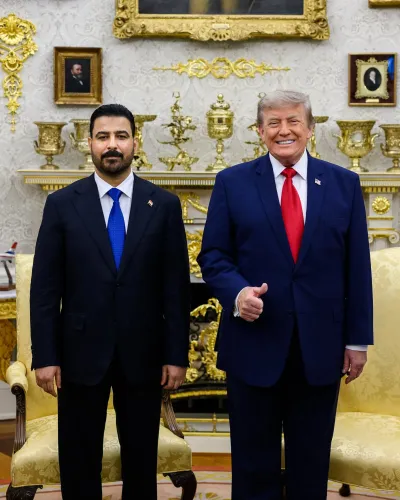
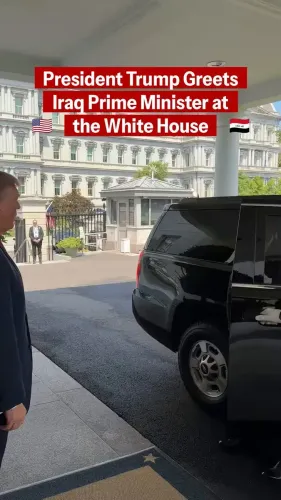
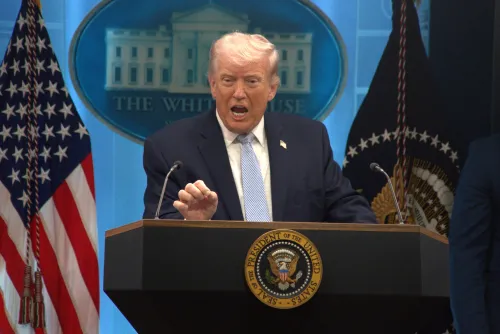
US President Donald Trump publicly congratulated al-Zaidi and expressed hope for a stronger Iraq-US bilateral relationship.
Iraq's new Prime Minister Ali al-Zaidi was sworn in on 15 May 2025 with only a partial cabinet after parliament failed to reach consensus on several critical portfolios, including the defence and interior ministries. The confidence vote in Baghdad marked a significant but incomplete step toward forming a functional government.
What Parliament Approved
During a session chaired by Speaker Haibet al-Halbousi, 266 lawmakers voted in favour of 14 ministers, according to a parliamentary statement. Among those confirmed were Fuad Hussein, who retained his post as foreign minister, Basim Mohammed Khudair as oil minister, and Faleh al-Sari as finance minister. Following the vote, al-Zaidi and the 14 approved ministers took the constitutional oath before parliament.
Key Ministries Left Unresolved
Voting on the defence and interior portfolios — among the most politically sensitive in Iraq — was postponed to allow additional time for political consultations. The deadlock reflects deep-seated rivalries among Iraq's fractious political blocs, which have historically treated these security ministries as critical patronage levers. This is not the first time Iraq has seen a government sworn in without its full cabinet; partial formations have become a recurring feature of post-election politics in Baghdad.
How al-Zaidi Reached This Point
On 27 April 2025, Iraqi President Nizar Amedi named al-Zaidi as prime minister-designate, following his nomination by the Coordination Framework — the largest parliamentary bloc and an umbrella alliance of Shiite parties. Under Iraq's constitution, a prime minister-designate has 30 days to present a cabinet and government programme to parliament for a confidence vote. Al-Zaidi met that deadline, albeit with a truncated lineup.
Iraq's Power-Sharing Architecture
Iraq's post-2003 political system distributes the top three offices along sectarian and ethnic lines: the presidency is held by a Kurd, the parliamentary speakership by a Sunni Muslim, and the prime ministership by a Shiite Muslim. This muhasasa framework, while designed to prevent domination by any single community, has also entrenched inter-bloc bargaining that routinely delays cabinet formation — as seen again this week.
US Signals Support for New Baghdad Government
Earlier this month, US President Donald Trump congratulated al-Zaidi on his nomination via a post on his official social media platform, signalling Washington's support for a stable government in Baghdad. 'Congratulations to Ali al-Zaidi on his nomination to be the next Prime Minister of Iraq!' Trump wrote, adding: 'We wish him success as he works to form a new government free from terrorism that could deliver a brighter future for Iraq.' Trump also expressed hope for a deeper bilateral relationship, calling the development 'the beginning of a tremendous new chapter between our nations — prosperity, stability, and success like never seen before.'
With the security ministries still unresolved, al-Zaidi's immediate priority will be brokering a deal among competing factions before the political window narrows further.
Point of View
And what they want in return. These two ministries control Iraq's security apparatus and, by extension, its largest patronage networks. Al-Zaidi's ability to fill them will be the first real test of whether he leads a government or merely chairs a coalition of vetoes. Trump's effusive congratulations add a geopolitical dimension: Washington clearly wants a stable, non-Iran-aligned Baghdad, but the Coordination Framework that brought al-Zaidi to power is itself an umbrella of Iran-linked Shiite parties. That tension will define his tenure more than any cabinet list.
NationPress
19 Sept 2026
Frequently Asked Questions
Who is Ali al-Zaidi, Iraq's new Prime Minister?
Ali al-Zaidi is Iraq's newly sworn-in Prime Minister, confirmed by parliament on 15 May 2025. He was nominated by the Coordination Framework, the largest parliamentary bloc and an alliance of Shiite parties, and was designated by President Nizar Amedi on 27 April 2025.
Why was Iraq's cabinet only partially approved?
Lawmakers failed to reach consensus on several key portfolios, most notably the defence and interior ministries, due to ongoing inter-bloc political negotiations. Voting on those posts was postponed to allow more time for consultations — a pattern that has recurred in previous Iraqi government formations.
Which ministers were confirmed in the confidence vote?
Parliament approved 14 ministers, including Fuad Hussein as foreign minister, Basim Mohammed Khudair as oil minister, and Faleh al-Sari as finance minister. All 14 took the constitutional oath before parliament following the vote.
What did US President Trump say about al-Zaidi's appointment?
Trump congratulated al-Zaidi via a post on his official social media platform, expressing hope for a 'new government free from terrorism' and calling the development 'the beginning of a tremendous new chapter' in Iraq-US relations. He also said Washington looks forward to a 'strong, vibrant, and highly productive new relationship' with Baghdad.
How does Iraq's power-sharing system work?
Under Iraq's post-2003 muhasasa framework, the presidency is reserved for a Kurd, the parliamentary speakership for a Sunni Muslim, and the prime ministership for a Shiite Muslim. This arrangement is designed to balance power among Iraq's main communities but has frequently complicated and delayed cabinet formations.