Asiatic lion dies in well in Amreli; second death in 24 hrs in Saurashtra
Synopsis
Two Asiatic lions — India's entire wild population of which lives in Gujarat — died within 24 hours in Saurashtra: one drowned in an open well in Amreli, another was allegedly killed by illegally-installed electric wires on a Junagadh farm. A 64-year-old farmer has been arrested under the Wildlife (Protection) Act and granted bail on medical grounds.
Key Takeaways
A 2-3-year-old Asiatic lion drowned in a well in Jira village, Amreli district at around 1:30 a.m. on 19 November 2026 .
A second lion died of electrocution in Dhanfuliya village, Junagadh district the previous day — bringing the 24-hour death toll to two .
Farm owner Harilal Chavda, 64 , was arrested under the Wildlife (Protection) Act, 1972 for allegedly connecting illegal electric wires; he was later granted bail on medical grounds .
The Amreli drowning is being treated as an accidental death with no signs of poaching or suspicious activity.
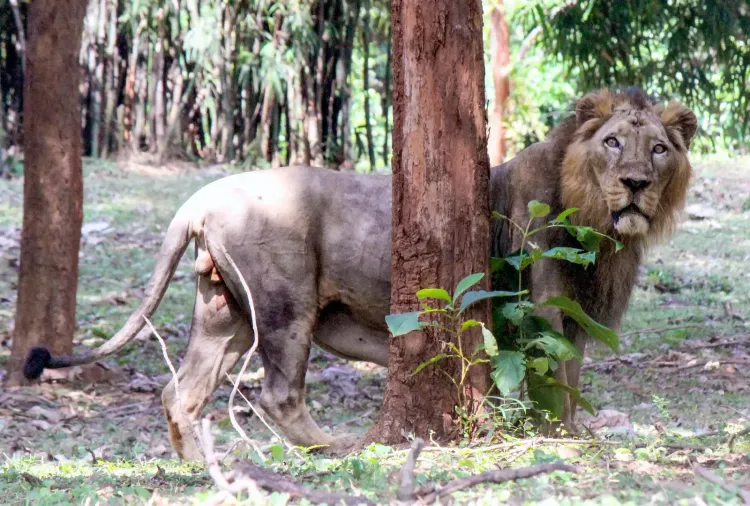
The Asiatic lion is Endangered on the IUCN Red List and found exclusively in Saurashtra, Gujarat , making every fatality a conservation concern.
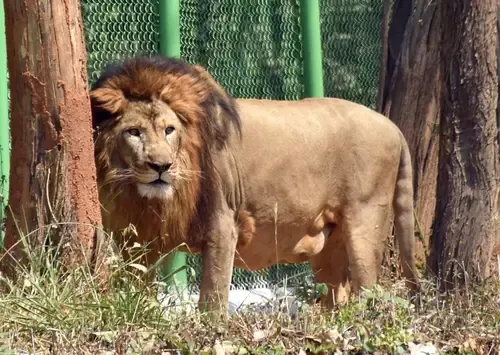
A 2-3-year-old Asiatic lion drowned after falling into a well on agricultural land in Jira village of Amreli district, Gujarat, in the early hours of Thursday, 19 November 2026, raising the toll of Asiatic lion deaths in the Saurashtra region to two within 24 hours. The second death, by electrocution, occurred the previous day in Junagadh district, and has led to the arrest of a farm owner.
The Amreli Drowning Incident
The Amreli incident occurred around 1:30 a.m. on the outskirts of Jira village in Dhari taluka, under the Dalkhaniya forest range. According to forest officials, the lion fell into a well on a farm owned by Ashok Bambharoliya. The well had a parapet wall, suggesting the animal may have misjudged the edge in the darkness.
In-charge Assistant Conservator of Forests Mitesh Vaniya confirmed that a Forest Department team reached the spot and retrieved the carcass from the well. A preliminary investigation and post-mortem examination established drowning as the cause of death. Officials said there were no indications of poaching or any other suspicious activity.
Electrocution Death in Junagadh
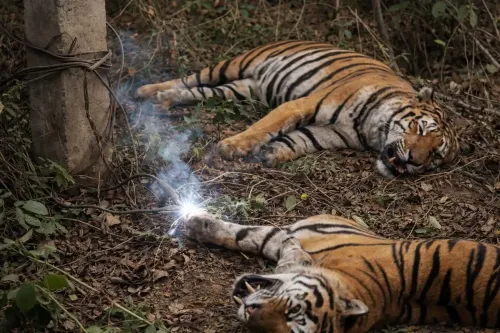
On Wednesday, a separate lion died after coming into contact with live electrical wires on a farm in Dhanfuliya village of Vanthali taluka in Junagadh district. According to Assistant Conservator of Forests Shahidkhan Makrani, the lion made contact with live wires installed along the boundary of an agricultural field. The farm had an electrical control panel with switches and equipment used to operate an electric motor.
The Forest Department's investigation found that the farm owner, Harilal Chavda, 64, had allegedly connected two wires illegally and switched on the electricity. A case was registered against Chavda under the Wildlife (Protection) Act, 1972, and he was arrested on Thursday. He was subsequently granted bail on medical grounds.
A Pattern of Human-Wildlife Conflict
The two deaths highlight the persistent dangers that the Asiatic lion — found exclusively in the Saurashtra region of Gujarat — faces beyond the boundaries of the Gir forest. The lion population has expanded beyond protected zones in recent years, increasing encounters with agricultural land, farm infrastructure, and open wells. Illegal electrification of farms to protect crops from wild animals is a recurring threat flagged by conservationists, while uncovered or inadequately protected wells present a separate hazard for wildlife moving at night.
Notably, this is not the first time illegal electric fencing has led to lion deaths in the region. Forest officials and wildlife activists have repeatedly called for stricter enforcement of the Wildlife (Protection) Act and farmer awareness programmes to reduce such incidents. The Asiatic lion is listed as Endangered on the IUCN Red List, and India's entire wild population resides in Gujarat, making every fatality a conservation concern of national significance.
Official Response and What Comes Next
The Forest Department has initiated post-mortem and forensic procedures in both cases. The Junagadh case has resulted in a criminal proceeding under wildlife law. The Amreli case is being treated as an accidental death, with no arrests made. Authorities have not yet indicated whether a broader review of open wells and illegal electrification practices in lion habitats is planned, though conservation groups are likely to press for one following this cluster of deaths.
Point of View
Recurring threats, yet forest authorities appear to respond incident by incident rather than through proactive area-wide audits. The Junagadh arrest is necessary but insufficient; it addresses one farmer while dozens of similar installations reportedly persist. With the Asiatic lion population confined entirely to one region of one state, the margin for error is extraordinarily thin, and the conservation establishment's reliance on reactive enforcement rather than preventive infrastructure is a risk that the species cannot afford.
NationPress
19 Nov 2026
Frequently Asked Questions
How did the Asiatic lion die in Amreli on 19 November 2026?
A 2-3-year-old Asiatic lion drowned after falling into a well on agricultural land in Jira village, Dhari taluka, Amreli district, in the early hours of 19 November 2026. A post-mortem confirmed drowning as the cause, and forest officials found no evidence of poaching or suspicious activity.
What happened in the Junagadh lion electrocution case?
A lion died after coming into contact with live electrical wires allegedly installed illegally along the boundary of a farm in Dhanfuliya village, Vanthali taluka, Junagadh district, on Wednesday. Farm owner Harilal Chavda, 64, was arrested under the Wildlife (Protection) Act, 1972, and subsequently granted bail on medical grounds.
Why are Asiatic lion deaths particularly significant?
The Asiatic lion is classified as Endangered on the IUCN Red List, and India's entire wild population lives exclusively in the Saurashtra region of Gujarat. Any fatality reduces a critically small gene pool, making each death a matter of national conservation concern.
What law was invoked against the farm owner in the Junagadh case?
A case was registered against Harilal Chavda under the Wildlife (Protection) Act, 1972, which prohibits harming or killing protected wild animals. He was arrested on Thursday before being granted bail on medical grounds.
Is illegal electrification of farms a common threat to lions in Saurashtra?
Yes, illegal electric fencing and live-wire installations on farms are a recurring hazard for Asiatic lions in Saurashtra, where the lion population has expanded beyond the Gir forest into agricultural zones. Conservation groups have repeatedly called for stricter enforcement and farmer awareness programmes to reduce such deaths.