Udit Raj: Form 6 changes would block all new voters from electoral rolls
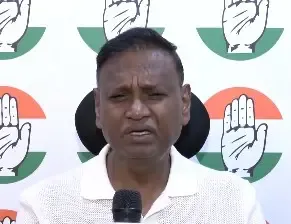
Synopsis
Congress leader Udit Raj has raised a pointed constitutional alarm: if the SIR process demands that a new voter's father or grandfather appear on the 2002 electoral roll, no Indian citizen turning 18 today could ever register. With an INDIA bloc meeting set for 30 September and calls for street protests growing, the Form 6 controversy is escalating well beyond a procedural dispute.
Key Takeaways
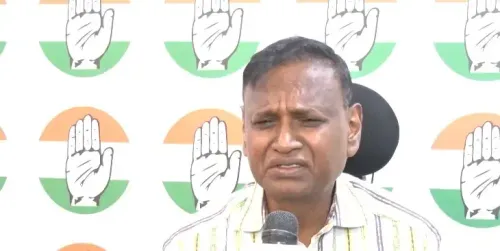
Congress leader Udit Raj on 27 September 2026 alleged that the online version of Form 6 was modified to require a prospective voter's father or grandfather to appear on the 2002 voter list .
Raj argues the change violates existing rules from 1960 , which set only three eligibility conditions: age 18 , six-month domicile, and general eligibility.
He questioned why changes appeared in the online Form 6 but not in the hard-copy version , calling it the sole but critical point of conflict.
Raj called for accountability from Election Commissioner Seema Khanna and cited remarks by commissioners Sandhu and Vivek Joshi as unresolved.
The INDIA bloc is scheduled to meet on 30 September ; Raj urged regional parties including TMC , Akali Dal , and NCP to join street protests.
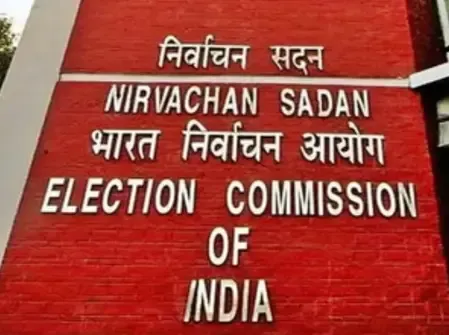
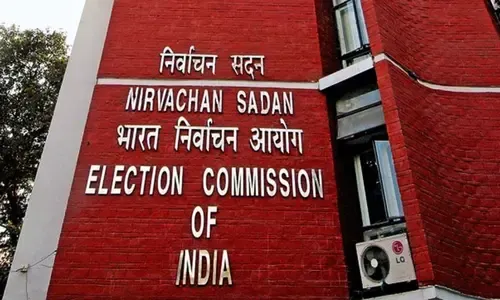
BJP spokesperson Sambit Patra defended the Election Commission of India (ECI) , saying internal deliberations reflect democratic functioning, not discord.
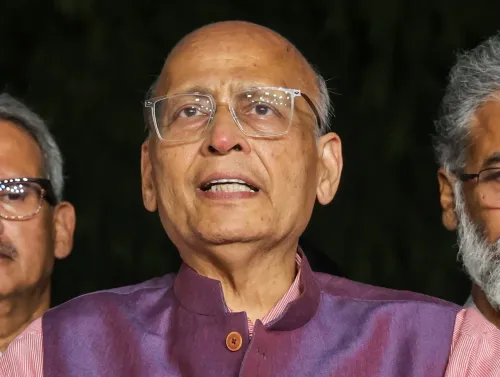
Congress leader Udit Raj on Sunday, 27 September 2026, sharply criticised the alleged modification to Form 6 of the electoral registration process, warning that if the Special Intensive Revision (SIR) requirement mandates that a prospective voter's father or grandfather must appear on the 2002 voter list, no new citizen would ever be able to register as a voter upon turning 18.
The Core Allegation Against Form 6
Raj argued that the change in the online version of Form 6 is both illegal and unconstitutional. He stated, 'SIR is nowhere, so this is wrong. The change in Form-6 says that the voter's father or grandfather should be present in the 2002 voter list, and only then will one become a voter after turning 18. At this rate, no one would be able to become a voter at all.'
According to Raj, voter eligibility under existing rules dating to 1960 requires only three conditions: the applicant must be 18 years of age, must have a domicile of six months, and must be otherwise eligible. He argued that the SIR requirement is absent from both the 1950 and 1960 rules and cannot be introduced through a modification to the online form without a corresponding change to the hard copy.
Questions Over Online vs Hard-Copy Forms
A central point raised by Raj was the discrepancy between the physical and digital versions of Form 6. He questioned how changes could be made to the online version when no changes were reflected in the hard copy of the form. He also referenced remarks reportedly made by Election Commissioners, stating, 'Sandhu wrote it; the other commissioner, Vivek Joshi, wrote about it. When was that clarified?'
Raj further called for accountability at the Election Commission, making a pointed remark about Commissioner Seema Khanna, alleging she had compromised on the issue — remarks that are his personal allegations and have not been independently verified.
Regional Parties and the INDIA Bloc Meeting
Commenting on the proposed INDIA bloc meeting scheduled for 30 September, Raj said the gathering was urgently needed, particularly for regional parties he claims are most vulnerable to the SIR process. He argued that parties such as the All India Trinamool Congress (TMC), Akali Dal, Shiv Sena, NCP, and YSR Congress face an existential threat if the SIR framework is applied broadly.
'This fight can no longer be fought inside Parliament. It can only be fought on the streets now,' he said, calling on regional parties to take their opposition beyond legislative chambers. He added that accountability for challenging the process did not rest with Congress leader Rahul Gandhi alone.
BJP's Counter: Election Commission Is Functioning Democratically
Earlier in the week, Bharatiya Janata Party (BJP) national spokesperson and Member of Parliament Sambit Patra defended the Election Commission of India (ECI), arguing that internal deliberations among Election Commissioners should be understood as evidence of institutional functioning rather than discord. Patra questioned the Opposition's repeated allegations against the poll panel and maintained that final democratic authority rests with the people of India.
The controversy over the SIR process and Form 6 modifications is expected to intensify ahead of the INDIA bloc meeting on 30 September, with Opposition parties signalling a coordinated street-level campaign if their concerns go unaddressed.
Point of View
The 2002 ancestry requirement would effectively make voter enfranchisement hereditary, a structural regression that no democratic framework could sustain. Yet the Opposition's framing risks being overtaken by its own rhetorical escalation: calls to jail an Election Commissioner and fight 'on the streets' can obscure what is, at its core, a verifiable technical and legal question — one that demands a clear, public answer from the ECI on exactly what changed, when, and under whose authority.
NationPress
27 Sept 2026
Frequently Asked Questions
What is the controversy around Form 6 and the SIR process?
Congress leader Udit Raj has alleged that the online version of Form 6 — the form used by first-time voters to register — was modified under the Special Intensive Revision (SIR) process to require that a voter's father or grandfather appear on the 2002 electoral roll. Raj argues this condition, if enforced, would make it impossible for any new citizen to register as a voter, contradicting existing rules from 1960.
What are the existing legal requirements to become a voter in India?
According to Udit Raj's reading of the rules framed in 1960, only three conditions are required: the applicant must be at least 18 years old, must have a domicile of six months, and must be otherwise eligible. He argues no ancestry-linked requirement exists in either the 1950 or 1960 rules.
Why is the discrepancy between the online and hard-copy Form 6 significant?
Raj has highlighted that changes allegedly appeared only in the digital version of Form 6 and not in the physical hard copy. He argues that a legally valid amendment to a voter registration form must be reflected uniformly, and that a unilateral change to only the online version raises serious questions of due process and legality.
What is the INDIA bloc planning to do about this controversy?
The INDIA bloc has scheduled a meeting for 30 September 2026 to coordinate a response. Raj has urged regional parties — including TMC, Akali Dal, Shiv Sena, NCP, and YSR Congress — to participate actively, warning they face the greatest risk from the SIR process. He has called for the fight to move from Parliament to the streets.
What has the BJP said in defence of the Election Commission?
BJP spokesperson and MP Sambit Patra defended the Election Commission of India earlier in the week, saying internal discussions among commissioners should not be portrayed as institutional dysfunction. He questioned the basis of the Opposition's allegations and asserted that ultimate democratic authority rests with the electorate.