UNICEF hails Meghalaya's community-led child and maternal health model
Synopsis
UNICEF's high-level delegation visited Meghalaya and called it a model of 'strong leadership in child-focused human development' — a rare endorsement for a small northeastern state. With a zero-maternal-deaths agenda, an anti-stunting programme launched just weeks ago, and a youth policy platform, Meghalaya is quietly building one of India's more integrated public health frameworks.
Key Takeaways
A UNICEF delegation met Meghalaya CM Conrad K.
Sangma in Shillong on 14 May to review health and nutrition collaborations.
UNICEF described Meghalaya as demonstrating 'strong leadership in child-focused human development' .
The state is pursuing a '003 Agenda' : zero maternal deaths, zero unimmunised children, and healthy growth in the first 1,000 days of life.
Mission 1000 Days , launched on 31 March , targets child stunting and maternal health outcomes.
The Young People's Action Group was highlighted as a key platform for youth participation in policymaking.
CM Sangma cited eight years of progress on maternal mortality, immunisation, and malnutrition through data-driven interventions.
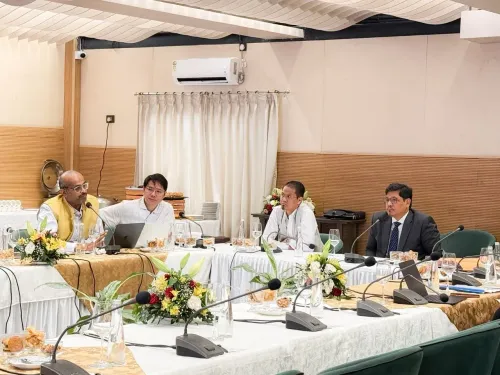
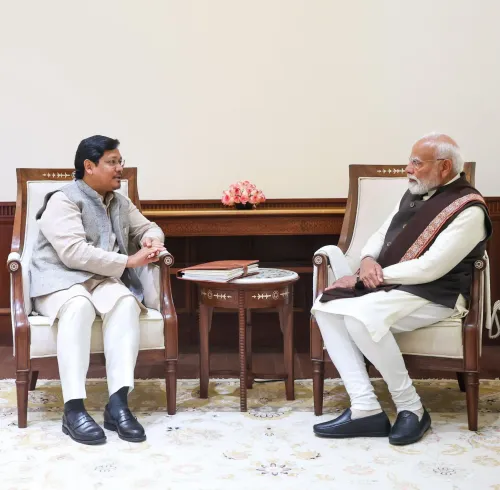
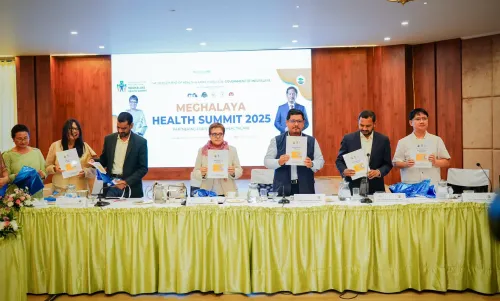
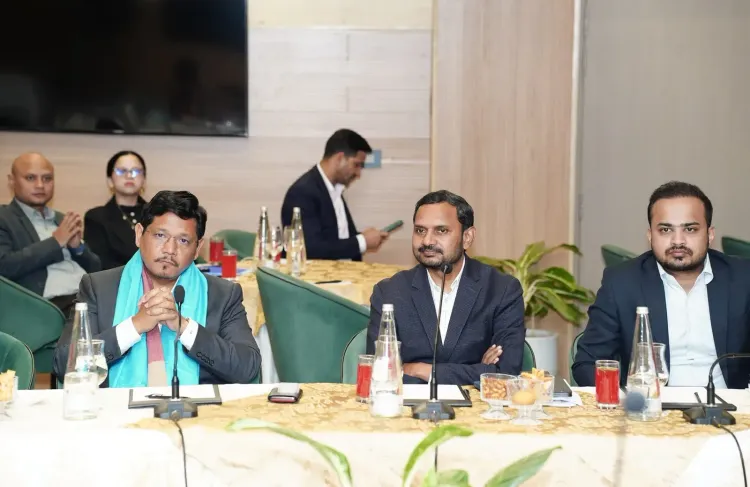
A high-level UNICEF delegation on Thursday, 14 May met Meghalaya Chief Minister Conrad K. Sangma in Shillong and commended the state government's community-driven approach to child health, nutrition, maternal care, and adolescent development. The meeting, held at the State Guest House, Taraghar, reviewed active collaborations spanning immunisation, maternal and child health, nutrition, and youth engagement.
Key Observations from the UNICEF Visit
The delegation shared findings from a two-day field visit across the state, during which members engaged with frontline health workers, mothers' groups, village health councils, district officials, and youth leaders. A senior UNICEF official described Meghalaya as a state demonstrating 'strong leadership in child-focused human development', noting that its governance model — supported by community institutions and partnerships — was generating measurable impact at the grassroots level.
The delegation specifically appreciated Meghalaya's integrated approach to improving immunisation coverage, reducing maternal mortality, and strengthening nutrition outcomes through active community participation.
The '003 Agenda' and Mission 1000 Days
UNICEF officials highlighted the state's progress toward a '003 Agenda' — a framework aimed at achieving zero maternal deaths, zero unimmunised children, and ensuring healthy physical growth for every child during the first 1,000 days of life to prevent stunting and support long-term development.
Discussions also centred on the state government's Mission 1000 Days programme, launched on 31 March this year, which targets child stunting and improved maternal and child health outcomes during the critical early stages of life.
Youth Engagement and the Young People's Action Group
UNICEF representatives acknowledged Meghalaya's investments in adolescent development, particularly highlighting the Young People's Action Group as a significant platform enabling youth participation in policymaking and development discussions. This focus on youth-led governance is increasingly seen as a differentiator in India's northeast development landscape.
What the Chief Minister Said
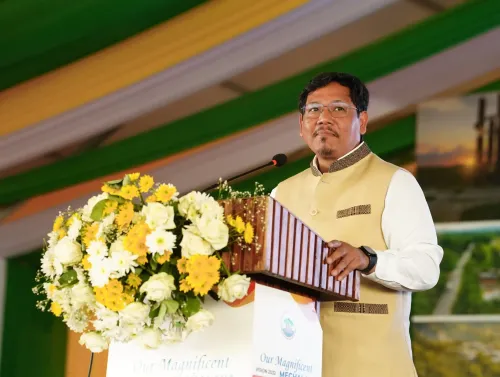
Chief Minister Sangma said Meghalaya's development strategy was centred on long-term human development and institution-building rather than isolated scheme-based interventions. He noted that the state had adopted an integrated approach, bringing together departments, programmes, and stakeholders to address citizens' needs from early childhood through adolescence.
Sangma added that Meghalaya had made significant progress over the past eight years in addressing maternal mortality, infant mortality, immunisation gaps, malnutrition, and adolescent development through data-driven and community-led interventions. He also invited UNICEF to continue supporting the state through technical expertise, documentation of best practices, and institutional partnerships to scale successful initiatives further.
What Comes Next
With UNICEF's endorsement and the recently launched Mission 1000 Days, Meghalaya's model could serve as a replicable template for other northeastern states grappling with similar public health challenges. The continued partnership between the state government and UNICEF is expected to focus on scaling interventions, documenting outcomes, and strengthening institutional capacity across districts.
Point of View
But the real question is whether Meghalaya's community-led model is producing verifiable outcome data — not just process metrics. The '003 Agenda' is an ambitious framing, but northeast India has historically struggled with last-mile health delivery due to terrain, workforce gaps, and inter-departmental silos. Mission 1000 Days is barely six weeks old; its results will take years to measure. The Young People's Action Group is a promising governance innovation, but youth platforms without devolved decision-making authority often remain consultative in name only. Meghalaya deserves credit for integrated thinking — the test is whether integration on paper translates to impact on the ground.
NationPress
21 Sept 2026
Frequently Asked Questions
Why did UNICEF visit Meghalaya in May 2025?
A high-level UNICEF delegation visited Meghalaya on 14 May 2025 to review ongoing collaborations with the state government on child health, nutrition, maternal care, and adolescent development. The delegation conducted a two-day field visit before meeting Chief Minister Conrad K. Sangma in Shillong.
What is Meghalaya's '003 Agenda'?
The '003 Agenda' is a framework the Meghalaya government is pursuing to achieve zero maternal deaths, zero unimmunised children, and healthy physical growth for every child during the first 1,000 days of life. It is aimed at eliminating stunting and supporting long-term child development.
What is Mission 1000 Days in Meghalaya?
Mission 1000 Days is a Meghalaya government programme launched on 31 March 2025, focused on reducing child stunting and improving maternal and child health outcomes during the critical early period from conception to a child's second birthday.
What is the Young People's Action Group in Meghalaya?
The Young People's Action Group is a platform established by the Meghalaya government to enable youth participation in policymaking and development discussions. UNICEF highlighted it as a key initiative in the state's adolescent development and youth engagement strategy.
How has Meghalaya performed on child and maternal health over the past eight years?
According to Chief Minister Conrad K. Sangma, Meghalaya has made significant progress over the past eight years in reducing maternal mortality, infant mortality, and immunisation gaps, and in addressing malnutrition and adolescent development through data-driven, community-led interventions.