Are Agencies Warning of an Aggressive Ideological Resurgence of Naxalism in Urban Areas?
Synopsis
Intelligence agencies are sounding the alarm about an aggressive push to revive the Naxalite movement ideologically within urban settings. With the rural fight seemingly waning, agencies are monitoring universities and student organizations closely as they attempt to incite unrest and mobilize support. As the March 2026 deadline approaches, the stakes have never been higher.
Key Takeaways
Intelligence agencies are monitoring urban areas for Naxalite revival.
The government has set a deadline of March 2026 to address this issue.
Efforts to secure foreign funding for the movement are increasingly challenging.
Protests may be used as a tool for propaganda against the government.
Social media is a key platform for mobilizing support and funds.
New Delhi, Nov 28 (NationPress) Intelligence agencies have raised alarms about a concerted effort to reinvigorate the Naxalite movement within urban settings, as their activities in rural forests appear to be dwindling. The agencies are meticulously monitoring several universities, where attempts are underway to sustain the movement, at least on an ideological basis.
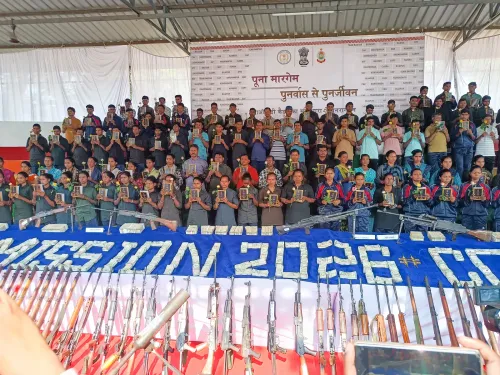
This renewed initiative follows remarks from Union Minister Amit Shah, indicating that security forces are on course to resolve this issue by March 2026. Given the rapid actions taken by the security agencies, it seems likely the problem could be addressed even before the deadline set by the Home Minister.
Intelligence agencies are particularly vigilant regarding activities in educational institutions, with new intelligence suggesting a desperate effort to ideologically sustain the movement.
An official from the Intelligence Bureau noted that individuals linked to the movement are attempting to secure funds for its revival. In previous years, the National Investigation Agency (NIA) and Enforcement Directorate (ED) had disrupted funding sources that were sustaining the Naxalite agenda.
Efforts to procure foreign funds for the movement have met with significant obstacles. The government led by Prime Minister Narendra Modi has tightened regulations concerning foreign funding after discovering that such finances were being misappropriated.
Under the revised Foreign Contribution Regulation Act (FCRA), acquiring foreign funds without legitimate justification has become nearly impossible. Consequently, those seeking to ideologically revive the movement in urban areas are now turning to domestic sources for financial support. They are convening meetings to strategize their next steps, particularly in fundraising efforts.
Although Prime Minister Narendra had highlighted this matter earlier in April, agencies report that as the deadline of March 2026 approaches, there is a surge in attempts to keep the movement alive.
While the rural manifestation of the movement posed serious risks, its ideological spread could be even more detrimental, as explained by an official. The plan involves forming groups in major cities to incite unrest through protests that could escalate into violence. The intention is to mobilize students and incite chaos, thereby provoking police action, which can be utilized as a propaganda tool to portray the government as oppressive towards students.
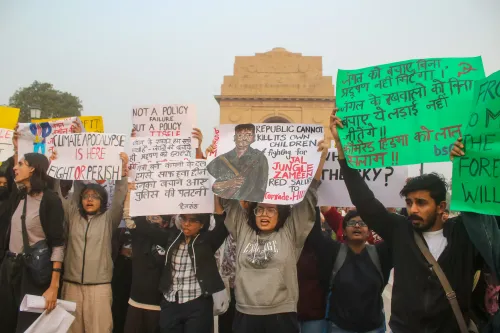
This strategy has been employed in the past and, according to agencies, it is set to be revived as the movement wanes in rural areas. A recent demonstration against rising pollution levels in Delhi illustrated this tactic.
The Bhagat Singh Chhatra Ekta Manch (BSCEM), identifying itself as a student rights organization, is currently under investigation for potential links to Naxalism. While the protests were ostensibly about pollution, police are scrutinizing the origins of slogans supporting the deceased Maoist commander Madvi Hidma. They are investigating whether these slogans were chanted by members of the organization or by infiltrators.
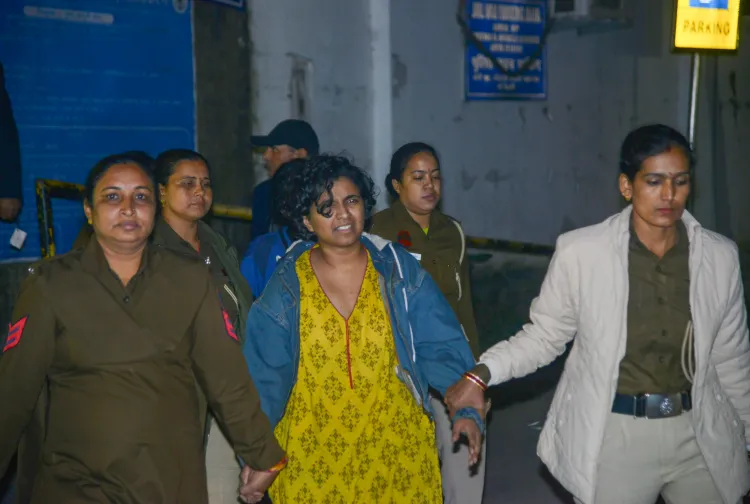
Following the protests, police arrested 22 individuals after demonstrators reportedly assaulted law enforcement with chili spray. This incident clearly indicates that the intent was to provoke police action, which could then be wielded as a propaganda weapon. Authorities are also monitoring the social media accounts of BSCEM. On November 19, their Instagram featured a post calling for a protest advocating for clean air, alongside another post commemorating Hidma with a red salute, denouncing the encounter that led to his death as fake.
As intelligence agencies maintain close surveillance on the sympathizers, they are also rigorously examining social media platforms. Officials indicate that these elements are likely to exploit social media extensively to disseminate their messages, organize protests, and raise funds.
A senior officer emphasized that the deadline of 2026 will be met, with no doubt about it. However, challenges may persist for some time, particularly as there is a significant push to uphold the ideology within urban environments.
Point of View
It is essential to approach this situation with a clear understanding of the implications. The revival of Naxalite ideology in urban centers poses significant risks not only to public safety but also to the stability of our democratic institutions. Vigilance and proactive measures are crucial in addressing this emerging threat while ensuring that civil liberties are protected.
NationPress
12 Oct 2026
Frequently Asked Questions
What is the Naxalite movement?
The Naxalite movement is a far-left revolutionary movement in India that advocates for the rights of marginalized communities and seeks to overthrow the Indian government through armed struggle.
Why are intelligence agencies concerned about urban areas?
Agencies are concerned because there are efforts to ideologically revive the Naxalite movement in urban centers, which could lead to increased unrest and violence.
What role do universities play in this revival?
Universities are seen as potential breeding grounds for ideological support, where students can be mobilized to protest and promote Naxalite ideals.
What measures is the government taking?
The government is tightening regulations on foreign funding and ramping up surveillance to prevent the resurgence of Naxalism.
What can citizens do to stay informed?
Citizens should stay updated through reliable news sources, engage in community dialogues, and remain vigilant about local activities that may indicate unrest.