Has the Yunus government done enough to protect minorities in Bangladesh?
Synopsis
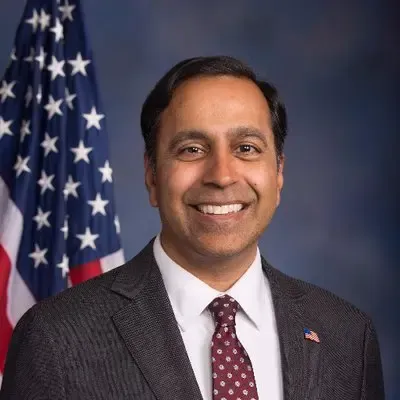
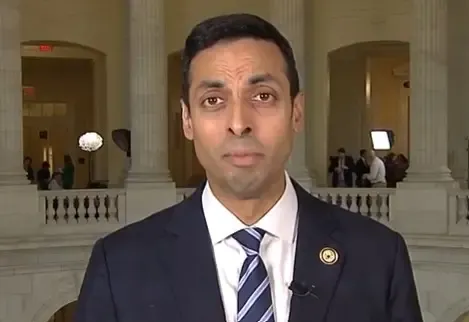
Indian American Congressman Suhas Subramanyam has raised alarms about escalating violence against religious minorities in Bangladesh, particularly Hindus. He criticizes the Dhaka government for insufficient protective measures and emphasizes the need for bipartisan support from the U.S. to safeguard the rights of minorities as the nation approaches elections.
Key Takeaways
Growing Concern: The situation for minorities in Bangladesh is worsening.
Targeted Violence: Hindus and other minorities face attacks on their safety and property.
Government Inaction: Critics argue that the Dhaka government is not doing enough to protect these communities.
Diplomatic Role: The U.S. must consider its role in advocating for minority rights.
Impending Elections: The upcoming elections raise questions about minority participation and representation.
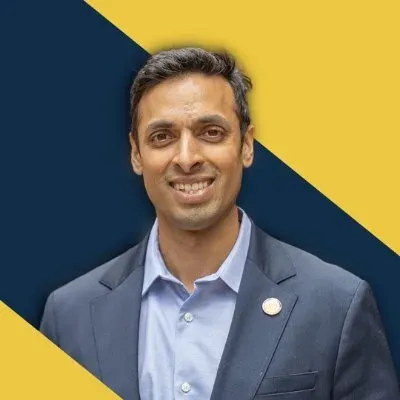
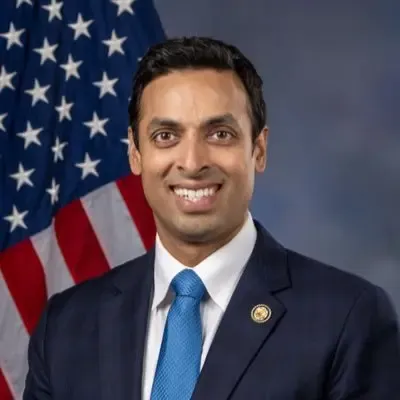
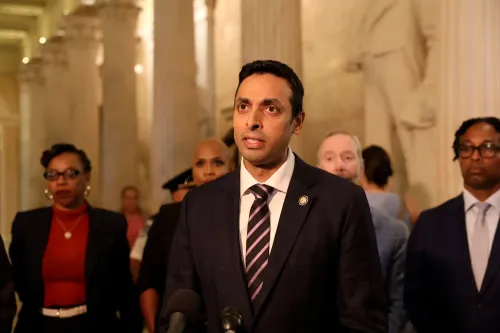
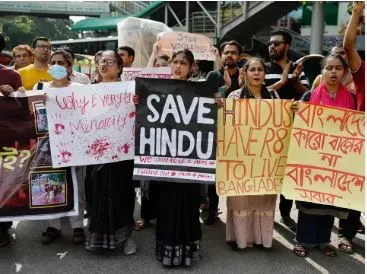
Washington, Jan 2 (NationPress) Expressing concern over what he termed a deteriorating situation for religious minorities in Bangladesh, Indian American Congressman Suhas Subramanyam stated that Hindus and other minority groups are suffering from targeted violence and criticized the government in Dhaka for not taking adequate measures to safeguard them.
“From an American viewpoint, we want to ensure that individuals visiting Bangladesh are not subjected to any form of violence or discrimination based on their ethnicity, background, or religion,” Subramanyam shared during an interview with IANS. “We have witnessed multiple incidents where Hindus have specifically been targeted in Bangladesh,” he remarked.
The Virginia Democrat emphasized that these attacks are not merely isolated events but instead signify a troubling trend that has emerged since the current administration assumed power. “We are worried that the government isn’t doing enough to defend minorities in Bangladesh,” he noted, stressing that Washington will need to evaluate Dhaka’s response.
Subramanyam highlighted that the violence encompasses assaults on religious sites, businesses, and individuals. “We’ve observed attacks and desecration of Hindu and other religious monuments. Businesses owned by Hindus and other minorities have also faced vandalism,” he explained. “Moreover, we are witnessing instances of individuals being attacked and even killed.”
Recognizing that political changes can lead to instability, Subramanyam expressed concern regarding the scale and continuity of the violence. “We understand that government transitions can trigger violence, especially when they lack a democratic foundation,” he acknowledged. “However, this violence has persisted since the current government took office.”
He noted that members of the Bangladeshi American community in the U.S. are increasingly alarmed. “I have numerous constituents from the Bangladeshi American community—both Hindus and Muslims, along with followers of other faiths—who are troubled by the situation in Bangladesh,” Subramanyam stated. “They have families there and are eager for us to find ways to protect minorities in the future.”
The congressman asserted that the United States should consistently denounce violence and hate crimes while contemplating potential diplomatic actions. “We will continue to explore our options in the U.S. to ensure the safety of individuals there, irrespective of their background, religion, or race,” he said. “In the meantime, we must condemn acts of hate and violence.”
When asked if Washington could exert pressure on Dhaka regarding this matter, Subramanyam indicated that such efforts would necessitate bipartisan support. “It might be possible. We will see how it unfolds,” he remarked. “We will need to collaborate in a bipartisan manner on such issues.”
He further noted that the current administration possesses significant diplomatic influence. “Certainly, the Trump administration holds considerable diplomatic power to exert pressure on Bangladesh,” he stated. “We will observe their actions closely.”
With Bangladesh approaching elections, Subramanyam expressed concerns about whether minorities would be able to participate freely. “We hope to witness a fair and free election where every citizen's voice is acknowledged,” he commented. “Given everything that has transpired over the past few years, we are apprehensive about the electoral process.”
He concluded by emphasizing that Washington aims to collaborate with any legitimately elected government. “From an American perspective, we aspire to work with any government that emerges from a successful election,” he affirmed. “However, it is crucial that this government reflects the will of the populace.”
Subramanyam cautioned that escalating anti-American sentiment and violence could jeopardize bilateral relations. “This is concerning, particularly the anti-American sentiment and the violence,” he added, warning that such actions could significantly harm the relationship with the United States.
Historically, Bangladesh has portrayed itself as a secular democracy with constitutional safeguards for minorities, despite human rights groups periodically raising alarms about political violence and religious intolerance. The nation serves as a key U.S. partner in South Asia, especially concerning regional stability and counterterrorism.
Washington has previously employed diplomatic engagement, public statements, and congressional scrutiny to voice concerns regarding human rights in Bangladesh, especially during election periods when the safety of minorities and political freedoms tend to attract greater attention.
Point of View
It is vital to address the concerns raised by Congressman Subramanyam regarding the safety and rights of minorities in Bangladesh. The U.S. must engage diplomatically to ensure that the principles of democracy and human rights are upheld, especially as the country nears elections.
NationPress
19 Sept 2026
Frequently Asked Questions
What specific incidents of violence have occurred against minorities in Bangladesh?
Recent reports indicate multiple attacks targeting Hindus, including assaults on religious sites and businesses, as well as physical violence against individuals.
What role does the U.S. government play in addressing these issues?
The U.S. government can apply diplomatic pressure and engage in discussions with the Bangladeshi government to promote the protection of minority rights.
How are Bangladeshi Americans reacting to the situation?
Many Bangladeshi Americans express alarm and concern for their families in Bangladesh, advocating for U.S. intervention to protect minorities.
What are the broader implications of this violence for U.S.-Bangladesh relations?
Increasing violence and anti-American sentiment could strain diplomatic ties, highlighting the need for constructive engagement.
What is the historical context of minority rights in Bangladesh?
Bangladesh has historically positioned itself as a secular democracy, yet there are ongoing concerns about political violence and religious intolerance.