Paramount-Warner Bros merger cleared by US DOJ in $111 billion deal
Synopsis
After an eight-month antitrust deep-dive covering two million documents, the US DOJ didn't just wave through the Paramount-Warner Bros. Discovery deal — it argued the $111 billion merger would actively increase competition against streaming giants. That's a striking regulatory verdict that could accelerate further consolidation across a Hollywood already under siege from Netflix, Apple, and social media.
Key Takeaways
The US Department of Justice cleared Paramount Skydance's $111 billion acquisition of Warner Bros.
Discovery on 13 June .
The DOJ's eight-month antitrust investigation reviewed more than two million documents and included testimony from senior executives.
Regulators concluded the merged company would remain smaller than the largest streaming platforms and would likely increase competition in SVOD.
The combined entity will bring together CBS , Paramount Pictures , Paramount+ , CNN , HBO , HBO Max , and Warner Bros. studios .
Labour group concerns about reduced demand for creative workers were reviewed and rejected by the department.
The deal is among the largest media transactions in recent years , reflecting industry-wide pressure to scale against global streaming rivals.
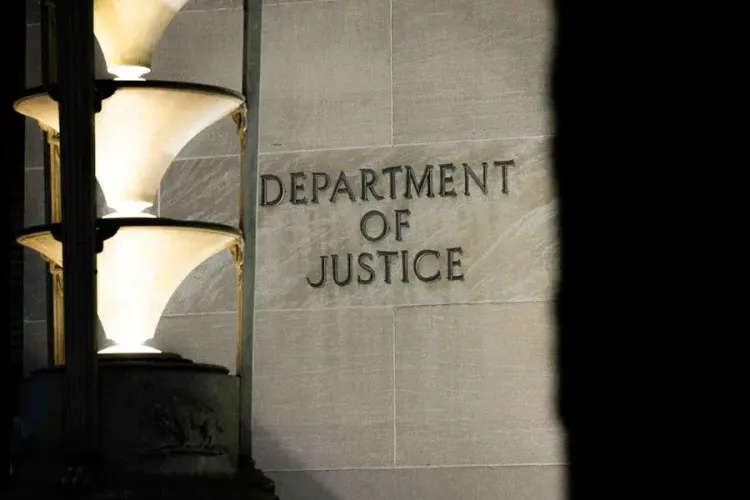
The US Department of Justice (DOJ) on 13 June cleared Paramount Skydance's proposed $111 billion acquisition of Warner Bros. Discovery, removing a critical regulatory barrier for one of the largest media transactions in recent history. The green light paves the way for a combined entertainment giant that would bring together some of Hollywood's most storied film, television, and streaming assets under a single corporate roof.
What the DOJ Found
After an eight-month antitrust investigation involving more than two million documents, extensive data analysis, interviews with industry participants, and testimony from senior executives, the Justice Department concluded the deal posed no meaningful threat to competition. State attorneys general also participated in aspects of the probe.
'The extensive investigatory record reviewed by the Division suggests that the impact of the transaction will be to increase competition across the media and entertainment ecosystem, with benefits for American consumers and workers,' the department said in its statement.
Streaming, TV, and Film — All Cleared
A central focus of the review was the rapidly evolving subscription video-on-demand (SVOD) market, where companies are locked in an intensifying battle for subscribers and advertising revenue. The DOJ concluded that the merged entity would remain smaller than the largest streaming platforms and could in fact strengthen competition against dominant rivals.
'The combined firm is likely to increase competition by offering consumers a more robust competitive alternative to the larger SVOD offerings,' the department said.
On linear television, regulators cited the ongoing audience migration away from traditional cable and satellite services toward streaming, arguing that growing competition for sports, news, and live programming had created a sufficiently robust marketplace. In theatrical film, the DOJ pointed to intense rivalry among major studios, independent producers, and technology-backed entrants such as Netflix and Apple as evidence that consolidation would not meaningfully reduce competition.
Labour Concerns Addressed but Rejected
The review also considered concerns raised by labour groups about potential effects on creative workers. The department said the evidence did not support claims that the transaction would reduce output or substantially weaken demand for creative talent. 'The film and television industry is highly dynamic, and the proposed transaction is not likely to harm competition or American consumers,' it concluded.
What the Combined Company Looks Like
The merger would unite Paramount's portfolio — including CBS, Paramount Pictures, and Paramount+ — with Warner Bros. Discovery's assets, which span CNN, HBO, HBO Max, Warner Bros. studios, and Discovery's television networks. The combined entity would represent a formidable scale play as traditional media companies face mounting pressure from global streaming platforms, social media services, and shifting viewer habits.
Broader Industry Context
The deal is among the largest media consolidations in recent years, reflecting a wider industry trend of legacy entertainment groups seeking greater scale to spread content costs and compete globally. Notably, this approval comes at a moment when smaller studios and technology-backed competitors have demonstrated that the film business remains competitive despite ongoing consolidation — a point the DOJ itself cited in justifying its decision. All signs now point toward a formal closing of the transaction, subject to any remaining procedural steps.
Point of View
And one that signals how thoroughly the antitrust calculus has shifted in an era where Netflix and Apple set the competitive benchmark. The real question the clearance leaves unanswered is whether a combined Paramount-Warner Bros. Discovery can actually out-execute its rivals, or whether scale alone papers over deep structural problems — cord-cutting, rising content costs, and subscriber fatigue — that no merger can fix. Labour groups' concerns were heard and dismissed, but the creative workforce will be watching closely as post-merger cost rationalisation inevitably begins.
NationPress
15 Sept 2026
Frequently Asked Questions
What is the Paramount-Warner Bros. Discovery merger?
It is a proposed $111 billion acquisition of Warner Bros. Discovery by Paramount Skydance that would combine major Hollywood studios, television networks, and streaming platforms under one company. The deal includes assets such as CBS, Paramount+, CNN, HBO, and Warner Bros. studios.
Why did the US Department of Justice approve the merger?
The DOJ concluded after an eight-month antitrust investigation that the deal was unlikely to harm competition in streaming, linear television, or theatrical film. It found the combined company would remain smaller than the largest streaming platforms and could increase competitive pressure on dominant rivals.
Which assets are included in the combined company?
The merged entity would bring together Paramount's CBS, Paramount Pictures, and Paramount+ with Warner Bros. Discovery's CNN, HBO, HBO Max, Warner Bros. studios, and Discovery's television networks.
What happened to concerns raised by labour groups?
Labour groups raised concerns that the merger could reduce output and weaken demand for creative workers. The DOJ reviewed those arguments but said the evidence did not support them, concluding the film and television industry remains highly dynamic.
What happens next after the DOJ clearance?
With the major regulatory hurdle cleared, the transaction is expected to move toward a formal close, subject to any remaining procedural requirements. The merger is one of the largest media deals in recent years and is set to significantly reshape the global entertainment landscape.