Why is the US-India Joint Statement Lacking Details? Jairam Ramesh Questions Interim Trade Pact
Synopsis
Jairam Ramesh raises concerns over the US-India Joint Statement's lack of details regarding the recent interim trade agreement, which significantly alters tariffs and trade dynamics between the two nations. This article explores the implications of the agreement for Indian farmers and the broader trade landscape.
Key Takeaways
US tariffs on Indian goods reduced to 18% Concerns over impact on Indian farmers India plans to increase imports from the US Higher duties on Indian exports to the US Continued negotiations to address trade barriers
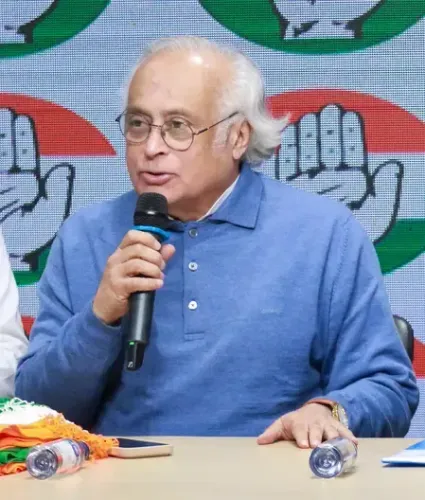
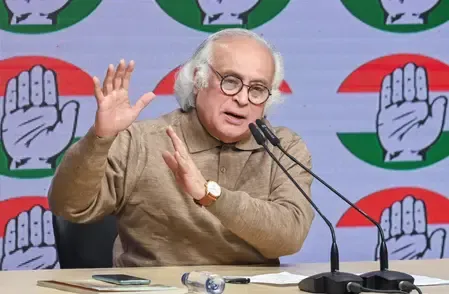
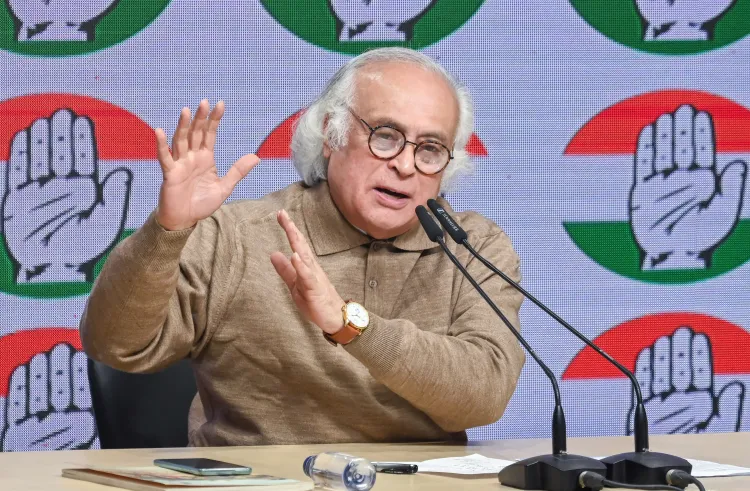
New Delhi, Feb 7 (NationPress) Following the finalization of an interim trade agreement between the United States and India, which reduces US tariffs on Indian goods to 18 percent, senior Congress leader Jairam Ramesh expressed his concerns regarding the lack of clarity in the US-India Joint Statement released thus far.
Ramesh took to the social media platform X, stating, “The United States-India Joint Statement just issued is silent on critical details.”
He further noted that, according to available information, India will cease to import oil from Russia.
Ramesh also indicated that the US has announced a potential reimposition of a 25 percent penalty should India engage in direct or indirect oil purchases from Russia.
He claimed that the agreement would lead to a reduction in import duties, primarily benefiting American farmers at the expense of Indian farmers.
According to Ramesh, India's annual imports from the US could triple, effectively eliminating India's longstanding trade surplus. He raised alarms about the uncertain future for India's IT and service exports to the US.
Moreover, he pointed out that India’s goods exports to the US would encounter higher tariffs than previously.
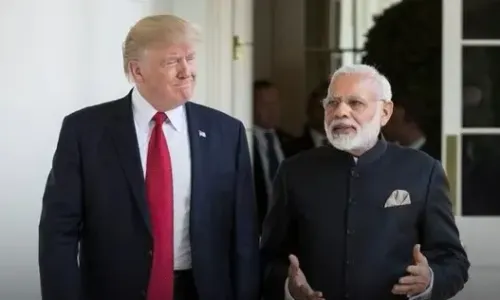
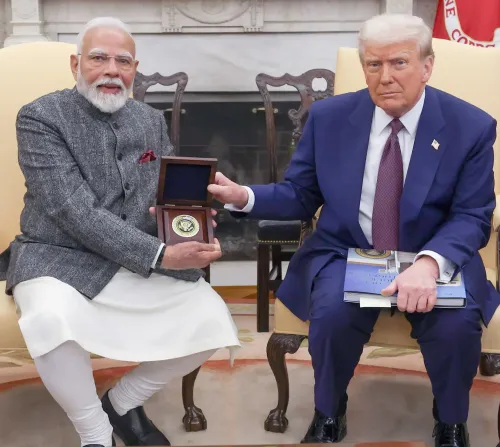
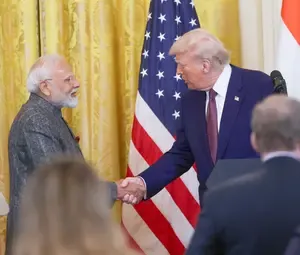
“All the hugs and photo-ops have not yielded substantial outcomes. Namaste Trump has triumphed over Howdy Modi. ‘Dost Dost Na Raha’,” he remarked.
In the meantime, as part of the agreement, the US has rescinded the additional 25 percent duty on Indian imports.
India is set to decrease or eliminate tariffs on a range of US industrial products and numerous US agricultural items, including dried distillers' grains, red sorghum for animal feed, tree nuts, fresh and processed fruits, and soybean oil.
The US will implement an 18 percent tariff on Indian goods, which encompasses textiles, apparel, leather, footwear, organic chemicals, home decor, artisanal products, and certain machinery.
Upon full execution of the Interim Agreement, the US will abolish reciprocal tariffs on various Indian exports, such as generic medicines, gems, diamonds, and aircraft components.
Additionally, the US will eliminate tariffs on specific aircraft and parts from India.
Both nations will address non-tariff barriers hindering trade to facilitate smoother business operations. India will also resolve long-standing challenges for US medical devices, easing their entry into the Indian market.
Moreover, India will eliminate restrictive import licensing for US ICT (information and communication technology) products, expediting market access.
India plans to enhance access for US agricultural products by tackling longstanding non-tariff barriers.
Plans are in place for India to purchase $500 billion worth of US goods over the next five years, including energy, aircraft, precious metals, tech products, and coking coal.
Both parties will also enhance trade in technological products like Graphics Processing Units (GPUs) for data centers and expand collaborative tech initiatives.
Ongoing negotiations for the BTA will aim to further open markets, with the US considering India's request for continued tariff reductions on Indian goods.
Point of View
It's essential to recognize that while the interim trade agreement between the US and India presents opportunities for increased trade, it also raises critical questions about its impact on local industries and farmers. The concerns raised by Jairam Ramesh reflect a broader sentiment that needs to be addressed in order to ensure a balanced approach to international trade.
NationPress
30 Sept 2026
Frequently Asked Questions
What is the recent US-India trade agreement about?
The US-India trade agreement reduces US tariffs on Indian goods to 18 percent, aiming to enhance trade between the two nations.
What are the concerns raised by Jairam Ramesh?
Jairam Ramesh criticized the agreement for lacking key details and warned that it might harm Indian farmers while benefiting American interests.
How will the trade agreement affect India's imports?
Ramesh claims that India's annual imports from the US could triple, affecting India's long-standing trade surplus.
What changes will occur regarding tariffs?
India will lower or eliminate tariffs on numerous US goods, while the US will impose an 18 percent tariff on Indian exports.
What is the future of US-India trade relations?
Ongoing negotiations will continue to shape the trade landscape, with both nations addressing non-tariff barriers and market access.