Delhi court grants default bail to US national Matthew VanDyke in NIA terror training case
Synopsis
A US national accused of training Myanmar-based insurgents in weapons and drone warfare walked out of a Delhi court on default bail — because the NIA missed its chargesheet deadline. Six Ukrainian co-accused may follow. The case is a rare window into an alleged international mercenary network operating through India's northeastern corridor.
Key Takeaways
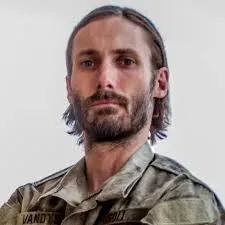
Matthew Aaron VanDyke , a US national , was granted default bail by the Special NIA Court in New Delhi on 18 September 2026 .
Bail was set at a personal bond of ₹1 lakh with one surety of the same amount; VanDyke must remain in Delhi and be available for investigation.
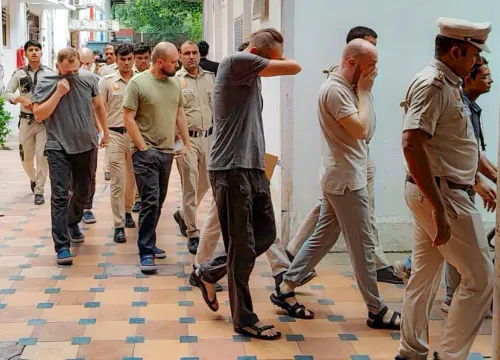
VanDyke and six Ukrainian nationals — Petro Hurba , Taras Slyviak , Ivan Sukmanovskyi , Marian Stefankiv , Maksim Honcharuk , and Viktor Kaminskyi — were arrested in March 2026 by the NIA .
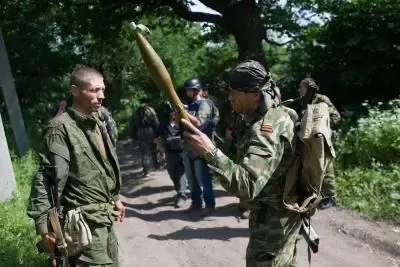
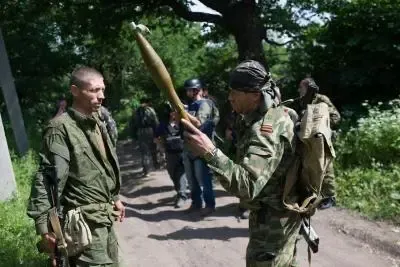
The accused allegedly entered India on tourist visas , travelled to the northeast, and crossed into Myanmar to train insurgent groups in drone and weapons use .
The court indicated the six Ukrainian co-accused are eligible to seek default bail if they file appropriate applications.
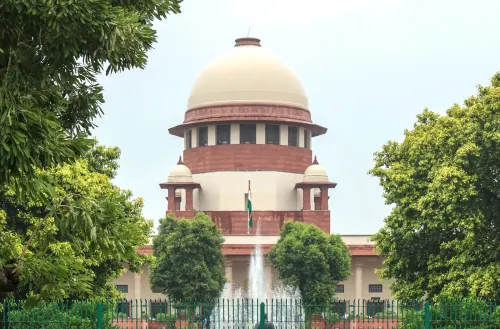
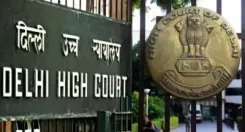
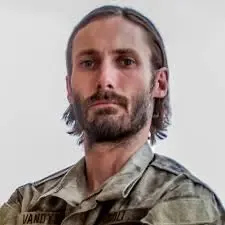
A Delhi court on Friday, 18 September 2026, granted default bail to US national Matthew Aaron VanDyke in a high-profile case being investigated by the National Investigation Agency (NIA), which alleges that he imparted weapons and drone-related terror training to Myanmar-based ethnic armed groups. The Special NIA Court at the Rouse Avenue Court Complex released VanDyke on a personal bond of ₹1 lakh with one surety of an equivalent amount.
Key Conditions of Bail
The court directed VanDyke to remain in New Delhi and stay available for questioning whenever summoned by the Investigating Officer. VanDyke had sought default bail on the ground that the investigation had not been completed within the statutory period and that no chargesheet had been filed in time — a procedural right under Indian law that courts are bound to honour once the deadline lapses.
Notably, the court also observed that the six Ukrainian nationals arrested in the same case would be entitled to seek default bail on identical grounds, should they file appropriate bail applications.
Background: The March Arrests and NIA's Allegations
The NIA had arrested VanDyke along with six Ukrainian nationals in March 2026, alleging they were part of an international network involved in imparting weapons and drone-related training to insurgent groups operating across the India-Myanmar border. The six Ukrainian nationals were identified as Petro Hurba, Taras Slyviak, Ivan Sukmanovskyi, Marian Stefankiv, Maksim Honcharuk, and Viktor Kaminskyi.
According to the NIA, all accused had entered India on tourist visas and subsequently travelled toward the northeastern region before allegedly crossing into Myanmar. The agency further claims they facilitated the procurement and movement of drones and electronic jamming equipment sourced from Europe for use in training modules for armed groups.
Scope of the NIA Probe
Investigators have described the accused as part of a wider international network involving foreign nationals and Myanmar-based organisations. The ongoing probe is reportedly aimed at tracing the full breadth of that network, including possible local facilitators and overseas linkages. The case has raised broader concerns about the use of India's territorial access as a transit point by foreign operatives allegedly working in conflict zones near its northeastern borders.
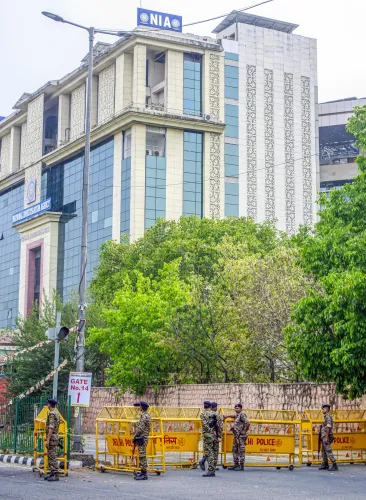
In an earlier development, the Patiala House Court had allowed the NIA's request to conduct proceedings at its headquarters, citing security concerns, and directed that subsequent hearings be held there with the accused produced before the presiding judge.
What Happens Next
With VanDyke now out on default bail, attention shifts to whether the NIA files a chargesheet and when — the agency's ability to rearrest will depend on the pace of that process. The six Ukrainian co-accused may also move bail applications, which the court has indicated they are entitled to pursue. The case continues to be a closely watched test of India's anti-terror legal framework against alleged foreign mercenary activity on its periphery.
Point of View
Where gathering evidence across Myanmar's fractured conflict zones and multiple European jurisdictions is exceptionally slow. The more significant development may be the court's observation that six Ukrainian co-accused stand on the same legal footing — if they all walk out on default bail, the NIA's credibility in high-profile foreign-mercenary cases takes a serious hit. The northeastern border's vulnerability to foreign operatives posing as tourists remains an unresolved structural problem that no chargesheet alone can fix.
NationPress
18 Sept 2026
Frequently Asked Questions
What is the Matthew VanDyke NIA case about?
The case involves allegations that Matthew Aaron VanDyke , a US national, was part of an international network that entered India on tourist visas and allegedly imparted weapons and drone-related training to Myanmar-based ethnic armed groups near the India-Myanmar border. The NIA arrested him along with six Ukrainian nationals in March 2026.
Why was Matthew VanDyke granted default bail?
VanDyke was granted default bail because the NIA did not complete the investigation and file a chargesheet within the legally stipulated period. Under Indian law, an accused is entitled to default bail when the agency fails to file a chargesheet on time — a right courts are bound to grant.
Who are the six Ukrainian nationals arrested in the same case?
The six Ukrainian nationals are Petro Hurba , Taras Slyviak , Ivan Sukmanovskyi , Marian Stefankiv , Maksim Honcharuk , and Viktor Kaminskyi . They were arrested alongside VanDyke in March 2026 and the court has indicated they may also apply for default bail.
What were the bail conditions imposed on VanDyke?
The Special NIA Court released VanDyke on a personal bond of ₹1 lakh with one surety of the same amount. He must remain in New Delhi and present himself for questioning whenever summoned by the Investigating Officer.
What happens next in the NIA investigation?
The NIA must now file a chargesheet to continue prosecution and could potentially seek re-arrest if grounds exist. The six Ukrainian co-accused may separately file default bail applications. The agency is also reportedly working to map the broader international network, including possible local facilitators and foreign linkages.