Could US Tariff Threats Disrupt Global Markets?
Synopsis
Senator Mark Warner warns that President Trump's renewed tariff threats may destabilize global markets and damage US alliances. With rising uncertainty in trade policy, both investors and allies are watching closely, raising concerns about economic norms and the potential impact on inflation and competitiveness.
Key Takeaways
Tariff threats may destabilize global markets.
U.S. allies are closely monitoring economic norms.
Clear objectives for tariffs are essential.
Prolonged tariff disputes risk harming U.S. competitiveness.
Indian exporters may benefit from evolving supply chains.
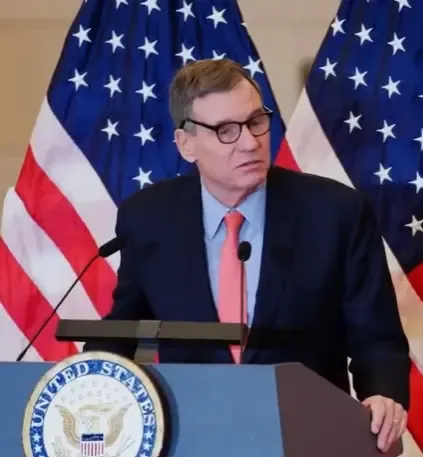
Washington, Jan 19 (NationPress) Senator Mark Warner cautioned that the resurgence of tariff threats from President Donald Trump could disrupt global markets and jeopardize relationships with U.S. allies.
During his appearance on CBS' Face the Nation, Warner noted that continuous tariff threats were injecting volatility at a moment when investors are already on edge. He emphasized that allies are closely monitoring whether the United States maintains its commitment to established economic principles.
Warner warned that aggressive trade approaches could diminish trust instead of enhancing U.S. influence.
Former Vice President Mike Pence, speaking on CNN's State of the Union, supported the use of tariffs as a negotiation strategy but stressed the necessity for them to be applied judiciously. He stated that tariffs should have well-defined objectives and boundaries.
Without such clarity, Pence pointed out, businesses and investors are left in a state of uncertainty regarding future policies.
Concerns regarding tariffs and market stability were reiterated across various U.S. Sunday talk shows. On CNN's Fareed Zakaria GPS, host Fareed Zakaria remarked that tariffs are increasingly wielded to exert pressure on other nations rather than to resolve trade conflicts.
Zakaria indicated that the ambiguity surrounding U.S. trade policies is causing numerous countries to lessen their dependence on the United States. He added that while tariffs have escalated costs, they have failed to significantly repatriate manufacturing to the U.S.
On NBC's Meet the Press, lawmakers cautioned that ongoing tariff conflicts could drive consumer prices higher, complicating central banks' efforts to manage inflation.
Several guests also expressed worries about political pressure on the U.S. Federal Reserve, asserting that investor confidence is heavily reliant on the central bank's autonomy.
Republican Rep. Mike Turner of Ohio, also featured on Face the Nation, stated that while tariffs can be effective in specific scenarios, over-reliance on them could be detrimental. He highlighted that extended trade disputes might harm U.S. competitiveness.
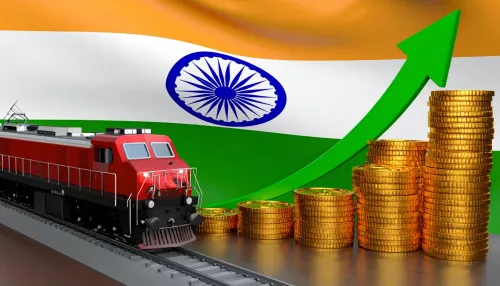
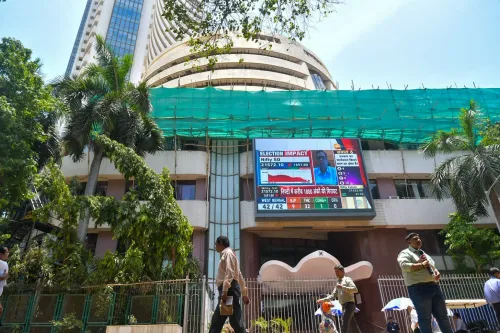
For India, analysts suggested that increased tariffs could lead to global price fluctuations, particularly in energy and industrial sectors. Simultaneously, reconfigured supply chains have opened opportunities for Indian exporters.
Analysts noted that markets can adapt to policy shifts.
Point of View
It is imperative that we recognize the potential ramifications of tariff threats on both domestic and international fronts. While leveraging tariffs can be a strategic tool, it is crucial to maintain open lines of communication and adhere to established economic norms to safeguard investor confidence and international partnerships.
NationPress
24 Sept 2026
Frequently Asked Questions
How do tariffs affect global markets?
Tariffs can create uncertainty in global markets, leading to increased costs for consumers and businesses, and can strain international relationships.
What did Senator Mark Warner say about tariffs?
Senator Warner warned that renewed tariff threats could destabilize markets and undermine trust in U.S. economic leadership.
Why are some lawmakers concerned about tariffs?
Lawmakers are concerned that prolonged tariff conflicts could lead to higher consumer prices and complicate efforts to manage inflation.
What impact could tariffs have on India?
Higher tariffs could lead to global price swings, particularly affecting energy and industrial goods, while also providing opportunities for Indian exporters.