Should You Rethink Travel Plans to Pakistan Amid Security Risks?
Synopsis
American citizens are being urged to reconsider travel to Pakistan due to rising security threats, including crime and potential terrorist attacks. With the US State Department's advisory highlighting significant risks, travelers must weigh their options carefully. Is exploring Pakistan worth the uncertainty?
Key Takeaways
US State Department advises against travel to Pakistan .
High risk of terrorism and civil unrest identified.
Specific regions marked as Level 4 : Do Not Travel.
Participation in protests can lead to detention .
Visa processing delays expected for applicants from Pakistan.
Islamabad/Washington, Jan 29 (NationPress) The US State Department has advised American citizens considering travel to Pakistan to reassess their intentions due to significant security threats, as reported by local media in Pakistan on Thursday.
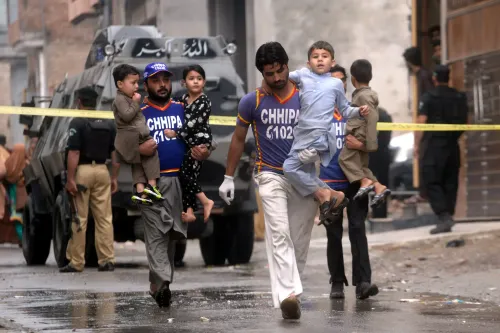
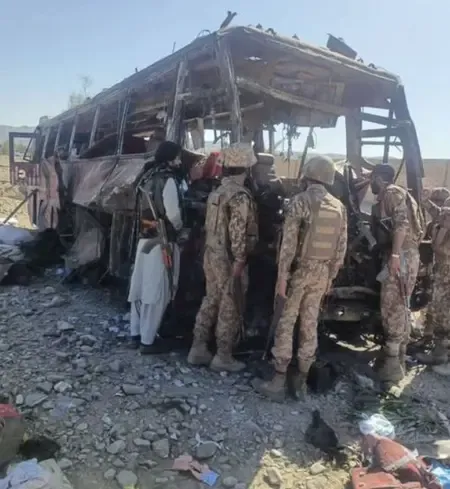
In its most recent advisory, the department cautioned travelers to deliberate carefully before visiting Pakistan due to concerns related to crime, civil disorder, terrorism, and the potential for kidnapping.
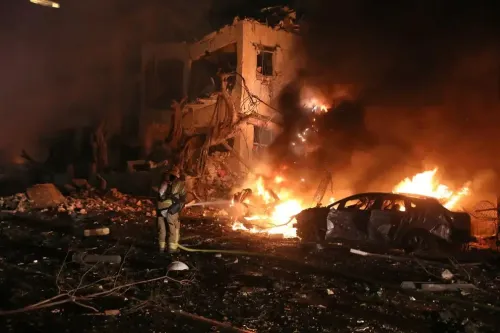
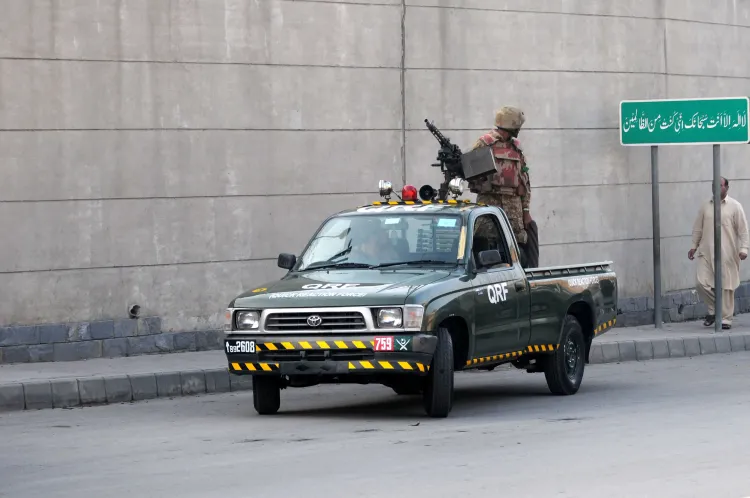
Pakistan has been classified under a Level 3 advisory, indicating a high level of risk where terrorist activities may occur unexpectedly. The State Department indicated that typical targets for such activities include transportation hubs, hotels, markets, shopping malls, military and security installations, airports, trains, schools, hospitals, places of worship, tourist sites, and government facilities, as reported by the prominent Pakistani daily Dawn.
Certain areas, notably parts of Khyber Pakhtunkhwa, have been categorized as Level 4: Do Not Travel zones.
The advisory strongly recommends that US citizens avoid traveling to Level 4 regions “for any reason,” highlighting that assassination and kidnapping attempts are frequent, particularly aimed at government officials and private individuals. This warning extends to US citizens of Pakistani descent, according to the newspaper.
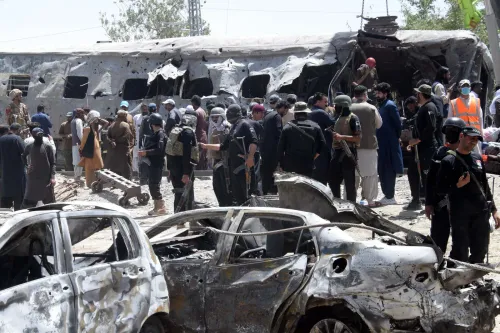
“Do Not Travel to: Balochistan Province and Khyber Pakhtunkhwa (KP) Province, including the previous Federally Administered Tribal Areas (FATA), due to terrorism and kidnapping risks,” added the US advisory. It also mentioned, “Violent extremist groups have executed attacks within Pakistan. Such incidents typically occur in Balochistan and Khyber Pakhtunkhwa, including the former FATA, but have also transpired in major urban centers like Karachi and Islamabad.
The US State Department clarified that local laws prohibit protesting or demonstrating without proper authorization.
“Proximity to a protest can attract attention from Pakistani security forces. US citizens have faced detention for engaging in protests. Additionally, individuals could be detained for sharing content on social media perceived as critical of the Pakistani government, military, or its officials,” it stated.
Earlier this month, a spokesperson from the US State Department announced that the Trump administration is halting the processing of immigrant visas for applicants from 75 countries, starting January 21. This will affect applicants from specific regions including Africa, the Middle East, the Caribbean, Latin America, the Balkans, and South Asia, which includes both Pakistan and Bangladesh.
In response to the announcement regarding US visa restrictions, Pakistan’s Foreign Office reportedly expressed optimism that the suspension is a temporary measure, with a potential return to normal processing in the near future. Meanwhile, the backlog of applications is anticipated to increase, leading to delays in approvals despite a historically strong demand.
Point of View
We prioritize the safety and well-being of our readers. The advisory from the US State Department serves as a crucial reminder of the ongoing risks associated with travel to Pakistan. We encourage those considering travel to stay informed and prioritize their safety.
NationPress
11 Oct 2026
Frequently Asked Questions
What is the current travel advisory level for Pakistan?
Pakistan is currently under a Level 3 advisory, indicating a high risk of terrorism and civil unrest.
Which areas in Pakistan are marked as 'Do Not Travel'?
Balochistan Province and parts of Khyber Pakhtunkhwa are designated as Level 4: Do Not Travel zones.
What security concerns are mentioned in the advisory?
Concerns include terrorism, crime, civil unrest, and the risk of kidnapping.
Are US citizens detained for participating in protests?
Yes, US citizens have faced detention for participating in protests or sharing critical content about the government on social media.
How has the US visa policy affected applicants from Pakistan?
The US has suspended processing immigrant visas for applicants from Pakistan, creating a backlog of applications.