US expects South Korea to 'uphold' alliance standards amid intelligence rift
Synopsis
Washington has issued an unusually pointed public reminder to Seoul to uphold alliance standards — a rare move that reveals rare visible cracks in the US-South Korea partnership. At the heart of the friction: South Korea's exclusion from a June trilateral cyber meeting, a controversial disclosure about a North Korean facility, and a delayed US visa for a senior South Korean lawmaker.
Key Takeaways
A senior US administration official on 10 October publicly called on South Korea to uphold the standards of their alliance, specifically on intelligence and counterintelligence matters.
South Korea's National Intelligence Service (NIS) was excluded from a June trilateral meeting with the US and Japan on North Korean cyber threats, reportedly at Washington's request.
The friction traces back to Unification Minister Chung Dong-young's public disclosure of a North Korean uranium enrichment facility in Kusong in March .
Washington reportedly restricted Seoul's access to certain North Korea intelligence following the disclosure.
Jung Chung-rae , former leader of South Korea's ruling Democratic Party , faces a delayed US visa, adding to perceptions of alliance strain.
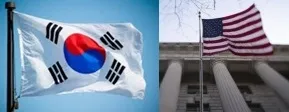
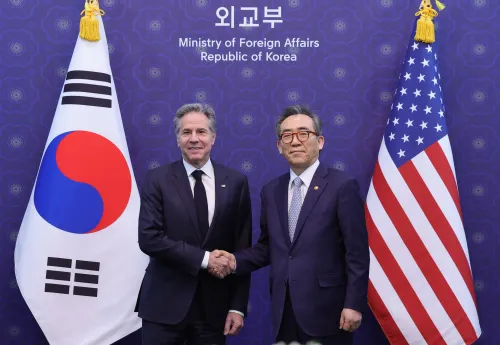
A senior US administration official has said that Washington expects Seoul to uphold the standards of their decades-long alliance, with the statement coming amid mounting concerns over apparent friction in bilateral intelligence cooperation between the United States and South Korea. The remarks, delivered on 10 October, mark one of the most direct public signals of strain in the alliance in recent months.
What the US Said
'We expect the ROK to uphold the standards of our decades-long alliance, in particular concerning matters of intelligence and counterintelligence,' the senior official said in a written statement, using South Korea's official name, the Republic of Korea (ROK). The statement was issued in response to a specific inquiry about the current state of bilateral intelligence cooperation.
The Intelligence Exclusion That Sparked Concern
The diplomatic friction came into sharper focus after South Korea's National Intelligence Service (NIS) acknowledged it had been excluded from a June trilateral meeting — also involving Japan — focused on North Korean cyber threats. Local media reports indicated that the agency was left out at Washington's request, a claim that has not been officially confirmed by either side.
The exclusion followed South Korean Unification Minister Chung Dong-young's public disclosure of a North Korean uranium enrichment facility located in Kusong, North Korea in March. While Chung has maintained that he only shared information already available in the public domain, the disclosure reportedly prompted Washington to restrict Seoul's access to certain North Korea-related intelligence as an apparent protest.
Visa Delay Adds to Alliance Strain
Separately, a delayed issuance of a US visa for Rep. Jung Chung-rae, former leader of South Korea's ruling Democratic Party, added to perceptions of a cooling relationship. Jung had planned to visit the United States for a parliamentary audit of Seoul's diplomatic missions abroad.
Addressing the matter on Facebook, Jung noted that his visa application is under review and urged others to refrain from remarks that could harm the South Korea-US alliance. The episode drew significant attention in Seoul, with opposition figures calling it an unusual diplomatic signal.
Why This Matters for the Alliance
The US-South Korea alliance, formalised in 1953, has long been considered a cornerstone of security architecture in Northeast Asia. Intelligence sharing is a critical — and often opaque — pillar of that partnership, particularly given the persistent threat from Pyongyang's nuclear and cyber programmes. Any sustained rupture in this channel could have downstream consequences for joint defence planning and regional deterrence posture. This is also the first time, according to available reports, that the NIS has publicly acknowledged being shut out of a key trilateral format.
What Comes Next
Analysts say both sides have strong incentives to manage the fallout discreetly, given the broader strategic stakes — from North Korean provocations to China's growing regional assertiveness. However, the public nature of the US official's statement suggests Washington is deliberate about registering its expectations. How Seoul responds — and whether it offers any policy course-correction on intelligence disclosure — will likely determine the pace of repair.
Point of View
Via a formal statement — signals that the usual diplomatic discretion is being set aside to send a pointed message. The intelligence exclusion of the NIS from a trilateral meeting is significant: these formats exist precisely to align partners on shared threats, and Seoul's absence from the North Korean cyber discussion undermines that architecture. Chung's disclosure of the Kusong facility may have been technically defensible as public information, but in the intelligence world, context and timing matter as much as classification. The visa delay for Rep. Jung adds a political dimension that is harder to explain away as routine. If left unaddressed, this friction risks becoming structural — and a distracted or partially-excluded South Korea is a strategic liability for the US at a time when North Korean provocations and China's regional posture demand tight coordination.
NationPress
10 Oct 2026
Frequently Asked Questions
Why is the US-South Korea alliance under strain over intelligence cooperation?
Tensions arose after South Korea's Unification Minister Chung Dong-young publicly disclosed a North Korean uranium enrichment facility in Kusong in March, which Washington reportedly interpreted as an intelligence breach. This prompted the US to restrict Seoul's access to some North Korea-related intelligence and, according to local media reports, to exclude South Korea's National Intelligence Service from a June trilateral meeting with Japan on North Korean cyber threats.
What did the US official say about the alliance?
The senior US administration official stated: 'We expect the ROK to uphold the standards of our decades-long alliance, in particular concerning matters of intelligence and counterintelligence.' The statement was issued in writing in response to a direct inquiry about the state of bilateral intelligence cooperation.
What was the June trilateral meeting from which South Korea was excluded?
It was a meeting involving the United States and Japan focused on North Korean cyber threats. South Korea's National Intelligence Service acknowledged it was excluded from this meeting, with local media reporting the exclusion came at Washington's request, though this has not been officially confirmed.
Who is Rep. Jung Chung-rae and why is his visa relevant?
Jung Chung-rae is a former leader of South Korea's ruling Democratic Party who planned to visit the United States for a parliamentary audit of Seoul's diplomatic missions. A delay in his US visa issuance has been seen as another signal of strain in the bilateral relationship. Jung himself addressed the matter on Facebook, urging restraint to avoid harming the South Korea-US alliance.
What are the wider implications for the US-South Korea alliance?
The alliance, formalised in 1953, is a pillar of security in Northeast Asia, with intelligence sharing central to joint deterrence against North Korea. Sustained friction in this channel could affect coordinated defence planning at a time when North Korean provocations and China's regional assertiveness demand close alignment among US allies.