Pakistan wrong country to pressure Iran for US, report warns
Synopsis
A detailed geopolitical report argues the US is leaning on the wrong partner to pressure Iran: Pakistan has too many overlapping interests with Tehran — from a stalled gas pipeline and cross-border energy flows to China's Gulf ambitions — to ever deliver the hard choices Washington wants. It's a structural conflict of interest hiding in plain sight.
Key Takeaways
A Real Clear Defense report argues Pakistan is the wrong intermediary for US pressure on Iran , given deep overlapping interests.
The stalled Iran-Pakistan gas pipeline illustrates the bind: Islamabad needs Iranian energy but is blocked by US sanctions .
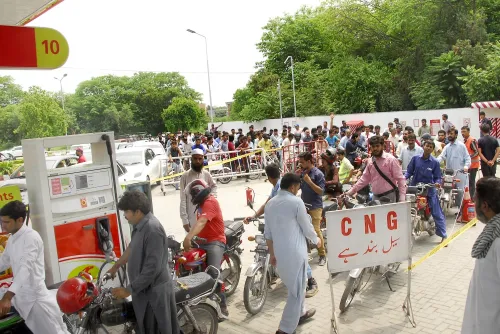
Iranian petrol and diesel flow into Balochistan through smuggling networks; parts of the province also depend on Iranian electricity .
China's reliance on Iranian petroleum and Pakistan's military use of Tehran access as a diplomatic asset further tie Islamabad to de-escalation.
Pakistan's Mecca defence commitments to Saudi Arabia make Iranian restraint on the Houthis strategically valuable to Islamabad.
The report concludes Pakistan is 'hardly a neutral party' and its structural incentives consistently push it away from sustained pressure on Iran.
A new geopolitical analysis has argued that Pakistan is fundamentally the wrong intermediary for translating Washington's sustained pressure on Tehran into actionable outcomes — because Islamabad has too much at stake in preserving its own working relationship with Iran. The report, published in Real Clear Defense, warns that Tehran retains several levers to make any deterioration in ties with Pakistan economically and strategically painful for Islamabad.
Iran's Narrowing Room, Pakistan's Conflicted Position
According to the report, renewed US sanctions, tightening restrictions on Iranian financial and commercial networks, pressure on oil revenues, and the accumulated economic costs of conflict have significantly constrained Tehran's room for manoeuvre after months of negotiations failed to yield the desired results.
Yet rather than pushing Islamabad toward harder pressure on Iran, these dynamics pull Pakistan in the opposite direction. The report notes that American sanctions directly obstruct Pakistani plans for Iranian energy imports and expanded bilateral trade — placing Islamabad in the uncomfortable position of advising Washington on concessions that would simultaneously benefit Pakistan itself.
The Stalled Iran-Pakistan Gas Pipeline
One of the clearest illustrations of this conflict of interest is the long-stalled Iran-Pakistan gas pipeline. Iran has reportedly built substantial infrastructure on its side of the border, while Pakistan has repeatedly postponed construction on its section, caught between a dire energy shortage and the constraints imposed by US sanctions.
Tehran has since pressed Islamabad to honour its contractual commitments and warned of potential financial penalties, according to the report. The prospect of sanctions relief could, in theory, clear this major hurdle for Pakistan's own energy ambitions — giving Islamabad a direct incentive to soften rather than sharpen pressure on Iran.
Strategic Interests Pushing Islamabad Toward De-escalation
The report identifies a web of strategic interests that consistently push Pakistan toward de-escalation at precisely the moments when sustained pressure might have forced Iran into harder choices.
'China, Pakistan's indispensable strategic partner, purchases Iranian petroleum and wants reliable Gulf energy flows. Pakistan's military leadership has also used mediation to rebuild its political relevance in Washington by presenting access to Tehran as a valuable diplomatic asset,' the report stated.
Additionally, Pakistan's defence commitments to Saudi Arabia — centred on the Mecca defence arrangement — theoretically expose it to Iranian support for the Houthis, making Iranian restraint valuable to Islamabad regardless of what Tehran offers Washington, the analysis noted.
Balochistan: Iran's Economic Pressure Point
The report highlights Balochistan as a particularly acute vulnerability. Iranian petrol and diesel reportedly flow into Pakistan through entrenched smuggling networks across the province, sustaining traders, storage operators, retailers, and border communities. While Pakistani authorities conduct periodic enforcement operations, the report notes that commercial networks are 'largely left intact.'
'Stronger restrictions on Iranian petroleum reach beyond Tehran's revenues into a Pakistani border economy whose disruption creates problems for Islamabad,' the report stated. It added that Tehran could further tighten fuel flows, customs procedures, or border commerce from its side, while parts of Pakistani Balochistan — including areas around the Makran coast — rely on Iranian electricity, giving Tehran additional means of applying economic pressure in a province already contending with separatist violence and weak development indicators.
What the Analysis Implies
Taken together, the report argues that Pakistan is 'hardly a neutral party' in the US-Iran standoff. Confrontation with Tehran threatens stability along an already volatile frontier and could force Islamabad to divert scarce security resources from other priorities. The structural conflicts of interest identified in the analysis suggest that any US strategy relying on Pakistan as a conduit for pressure on Iran may be built on a fundamentally flawed assumption about where Islamabad's incentives actually lie.
Point of View
Its China alignment, and the fragile stability of Balochistan all tether it to Iranian goodwill. What Washington may read as Pakistani mediation capacity is more accurately described as a conflict of interest dressed up as diplomacy. The gas pipeline episode is the clearest evidence — Islamabad has spent years stalling construction precisely because it cannot afford to antagonise Washington or Tehran simultaneously. Until that structural bind is resolved, asking Pakistan to tighten the screws on Iran is asking it to act against its own economic survival.
NationPress
22 Oct 2026
Frequently Asked Questions
Why is Pakistan considered the wrong country to pressure Iran on behalf of the US?
According to a Real Clear Defense report, Pakistan has too many overlapping economic and security interests with Iran to credibly apply sustained pressure on Tehran. From a stalled gas pipeline to cross-border energy flows in Balochistan, Islamabad's own needs consistently push it toward de-escalation rather than confrontation.
What is the Iran-Pakistan gas pipeline dispute?
The Iran-Pakistan gas pipeline has remained stalled for years, with Iran completing its side of the infrastructure while Pakistan has repeatedly delayed work on its section due to US sanctions. Tehran has warned Islamabad of contractual penalties, while Pakistan's severe energy shortages make Iranian gas highly attractive.
How does Iran influence Pakistani Balochistan economically?
Iranian petrol and diesel enter Balochistan through well-established smuggling networks that support border communities, traders, and retailers. Parts of Balochistan, including areas around the Makran coast, also rely on Iranian electricity, giving Tehran significant economic leverage in a province already facing separatist unrest.
How does China factor into Pakistan's Iran calculations?
China, described in the report as Pakistan's 'indispensable strategic partner,' purchases Iranian petroleum and has an interest in stable Gulf energy flows. This gives Islamabad an additional reason to avoid policies that could destabilise Iranian energy exports or provoke Beijing.
What are the broader implications for US strategy in the region?
The report suggests that any US strategy relying on Pakistan as a conduit for pressure on Iran rests on a flawed premise. Pakistan's structural conflicts of interest — energy dependency, Chinese alignment, and Balochistan vulnerability — make it an unreliable enforcer of Washington's Iran policy.