How Many Women Were Recruited in CAPFs for 2024-25?
Synopsis
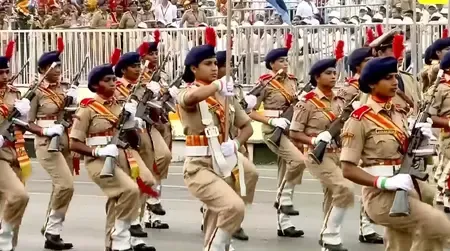
In a significant move towards gender equality, the Indian government has recruited 3,239 women in Central Armed Police Forces for FY 2024-25. This marks a proactive step in fostering women’s participation in security services, with an ambitious target set for the upcoming year. Discover how these changes are shaping a more inclusive environment in the forces.
Key Takeaways
3,239 women were recruited in CAPFs for FY 2024-25.
The government aims for 5,171 women recruits in FY 2025-26.
CRPF plans to add 1,192 women constables next year.
Measures for safety include separate accommodations and medical support.
Gender sensitization workshops are regularly conducted.
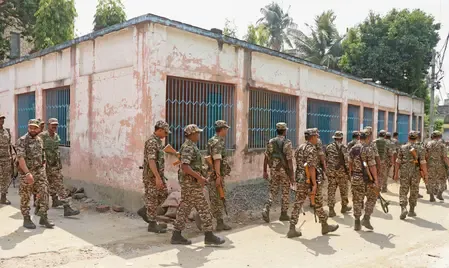
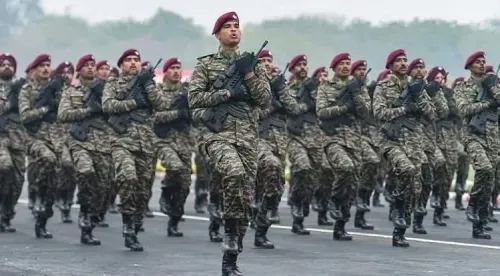
New Delhi, Dec 3 (NationPress) A total of 3,239 women have been enlisted in the four Central Armed Police Forces (CAPFs) during the fiscal year 2024-25. According to the Centre, the CRPF enlisted 294 women, while the BSF brought in 1,680, the ITBP 1,093, and the SSB 172, as stated in the Rajya Sabha on Wednesday.
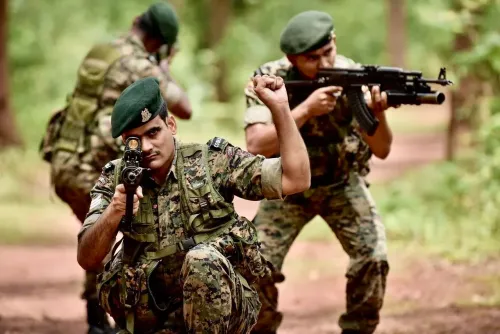
The Central government has reiterated its dedication to increasing women's involvement in the CAPFs, detailing recruitment statistics, future goals, and ongoing initiatives aimed at fostering safer and more gender-sensitive working conditions for female personnel.
Significantly, the government has established a lofty target of hiring 5,171 women in FY 2025-26, with the CRPF alone planning to recruit 1,192 women constables in the upcoming year. The BSF targets 2,513, followed by the ITBP with 1,375 and SSB with 91.
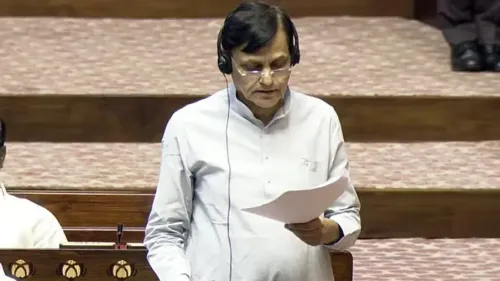
This information was disclosed in a written response by Minister of State for Home Affairs Nityanand Rai in the Rajya Sabha while addressing a query from MP Kartikeya Sharma.
In response to a question regarding the Centre's intentions to bolster the number of women in the CRPF, BSF, ITBP, and SSB to establish dedicated women’s units, MoS Rai mentioned that the government had decided in January 2016 to allocate 33 percent of constable positions for women in the CRPF, and 14-15 percent at the constable level in BSF, SSB, and ITBP.
Rai stressed that the government is implementing “every measure and effort” to guarantee secure working conditions and gender-sensitive operational protocols for women in all forces.
“Women are provided with separate accommodations, rest areas, and bathrooms. Creches and Day Care Centres are available for their children, along with women-centric medical support to address health issues specific to women, Women Help Desks, and confidential mechanisms to manage complaints related to sexual harassment,” the MoS highlighted in his response.
He also noted that regular workshops on gender sensitization are organized, and female personnel are typically assigned in section strength or buddy pairs for operational safety. Flexible shift arrangements are implemented wherever feasible to better support women in service.
Point of View
I firmly believe that the recruitment of 3,239 women in CAPFs signifies a monumental shift towards gender equality in India's security apparatus. The government's commitment to enhancing women's roles in these forces is commendable and reflects a larger societal change. It is imperative that we continue to support such initiatives that not only empower women but also strengthen our security framework.
NationPress
17 Oct 2026
Frequently Asked Questions
What is the total number of women recruited in CAPFs for FY 2024-25?
The total number of women recruited across CAPFs in FY 2024-25 is 3,239.
What targets has the government set for women's recruitment in FY 2025-26?
The government has set a target of recruiting 5,171 women personnel in FY 2025-26.
Which CAPF recruited the most women in FY 2024-25?
The BSF recruited the most women, with a total of 1,680.
What measures are being taken to ensure women's safety in CAPFs?
The government is providing separate accommodations, rest areas, and medical support tailored for women to ensure their safety and well-being.
Who disclosed the recruitment figures in the Rajya Sabha?
The figures were shared by Minister of State for Home Affairs Nityanand Rai.