World Uyghur Congress Sound Alarm on China's Ethnic Unity Law Amid Concerns of Repression
Synopsis
The World Uyghur Congress has raised alarming concerns over a newly passed Chinese law that could heighten repression against ethnic minorities. This legislation, which intertwines ethnic unity with state security, poses significant threats to Uyghur, Tibetan, and Southern Mongolian identities. The international community is urged to respond.
Key Takeaways
New Law promotes state-defined ethnic unity.
Increases risk of repression for minorities.
Targets Uyghur, Tibetan, and Southern Mongolian identities.
Encourages forced assimilation policies.
International community urged to take action.
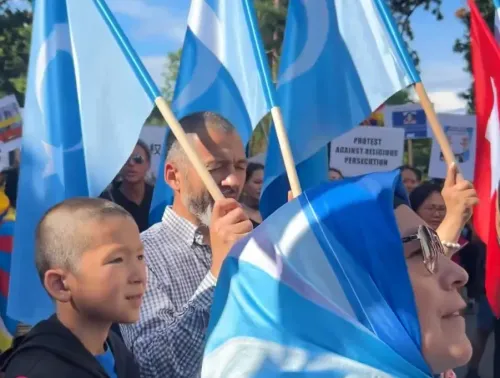
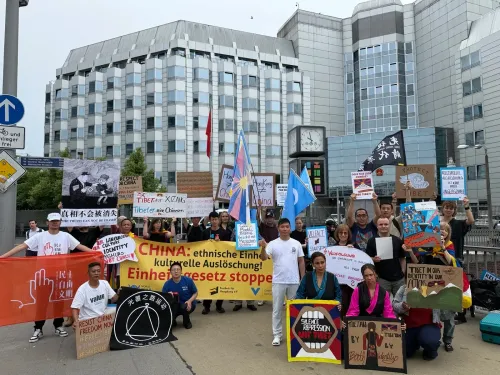
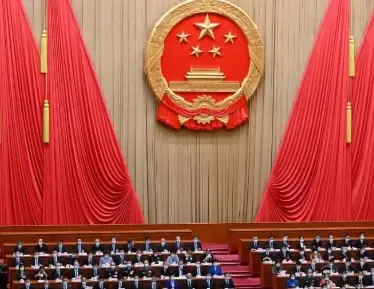
Beijing, March 13 (NationPress) The World Uyghur Congress (WUC) has raised serious concerns regarding China's recent legislation titled “Promoting Ethnic Unity and Progress,” which was passed during the annual session of the Chinese Communist Party. This new law is feared to escalate repression against various ethnic groups, particularly Uyghurs, Tibetans, and Southern Mongolians.
The WUC emphasized that this law solidifies existing assimilation and repressive policies directed at ethnic minorities within the nation. By associating “ethnic unity” with state security and anti-separatism, the legislation provides authorities with extensive powers to penalize those deemed to threaten this unity.
According to the WUC, this new framework offers officials a clearer legal basis to enforce restrictions, thereby institutionalizing an atmosphere of fear and repression in East Turkistan, also known as the Xinjiang Uyghur Autonomous Region, alongside Tibet and Southern Mongolia.
“In conjunction with the Counter-Terrorism Law, which has been the legal basis for the mass internment facilities established in 2016, this new law will further exacerbate oppression against Uyghurs in East Turkistan, particularly concerning their linguistic, cultural, and religious freedoms. Over the last decade, forced assimilation and Sinicisation policies have inflicted significant damage on Uyghur cultural and religious identities,” stated WUC President Turgunjan Alawdun.
The WUC noted that this law emerges during a period of heightened efforts by the Chinese Communist Party to obstruct the passing of language, culture, and religious knowledge across generations in East Turkistan.
“Uyghur children have been taken from their families and placed in state-operated boarding schools where they are compelled to renounce their Uyghur identity in favor of a state-defined national identity. This legislation further emphasizes Mandarin as the primary language for education and public life, diminishing the status of ethnic languages like Uyghur and Tibetan. In numerous areas, including East Turkistan, instruction in mother tongues has been supplanted by Mandarin-only teaching,” it highlighted.
Reports indicate that Uyghur children are increasingly discouraged from using their native language, even in informal settings, due to pressures from Chinese authorities.
“The enactment of this law contradicts China's own constitutional guarantees and regional autonomy statutes, which ostensibly protect ethnic minorities' rights to maintain and develop their languages, cultures, and religious practices. It also raises significant issues regarding China's compliance with international human rights obligations, such as those outlined in the International Covenant on Economic, Social and Cultural Rights,” the statement added.
The WUC is urging the international community, including the Office of the United Nations High Commissioner for Human Rights (OHCHR) and global leaders, to address these concerns with Chinese officials during bilateral discussions, especially as many heads of state prepare for forthcoming visits to China.
Point of View
The recent law passed by China raises critical issues regarding human rights and the treatment of ethnic minorities. The emphasis on assimilation and repression under the guise of 'ethnic unity' reflects a concerning trend in governance that prioritizes control over cultural preservation. It's essential to monitor how this will unfold on the global stage.
NationPress
10 Oct 2026
Frequently Asked Questions
What is the main concern regarding the new law?
The main concern is that the law could intensify repression against ethnic minorities, particularly Uyghurs, Tibetans, and Southern Mongolians, solidifying existing policies of assimilation.
How does the law affect cultural and religious freedoms?
The law is expected to further restrict cultural and religious freedoms by prioritizing state-defined national identity over ethnic identities.
What is the international community's response?
The WUC is urging the international community, including the UN, to raise concerns about the law with Chinese authorities during bilateral discussions.
What are the implications for Uyghur children?
Uyghur children face pressures to abandon their identity and are increasingly discouraged from using their mother tongue in various settings.
Does the law violate any international rights?
Yes, the law contradicts China's constitutional provisions and raises serious concerns regarding its compliance with international human rights laws.