Yogi Adityanath warns riot instigators in UP risk losing ancestral wealth
Synopsis
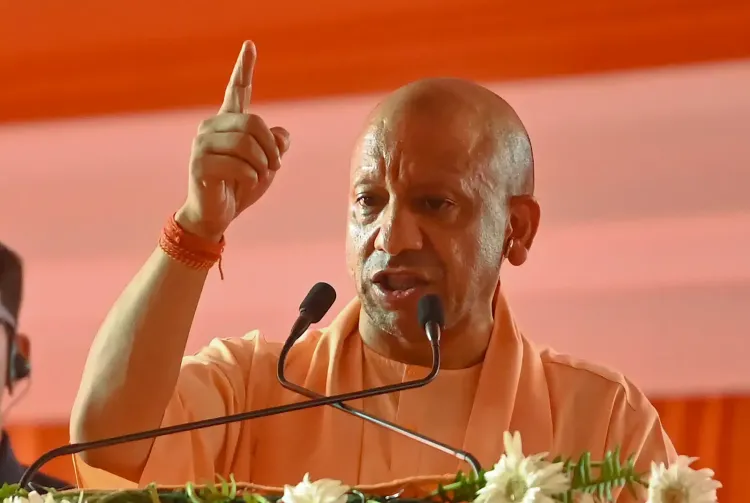
At a teachers' conference in Bareilly, Yogi Adityanath escalated his government's anti-riot rhetoric to an unprecedented level — warning that instigators stand to lose not just personal assets but generational wealth. Delivered in a city historically prone to communal tension, the statement doubles as a political attack on the Samajwadi Party and a pre-election signal of the BJP's law-and-order brand.
Key Takeaways
UP CM Yogi Adityanath warned in Bareilly on 13 October that riot instigators risk losing wealth inherited from their forefathers.
He credited post- 2017 governance with ending festival-time riots in Bareilly, contrasting it with the previous Samajwadi Party era.
Secondary school teachers have received insurance coverage of ₹80 lakh to ₹1.5 crore ; cooks get ₹5 lakh cashless health cover and ₹2 lakh social security.
The UP government claims to have filled more than 1.6 lakh vacant teaching posts transparently over six-and-a-half years.
9.5 lakh youth have reportedly secured government jobs over the past nine-and-a-half years, with the state economy and per capita income said to have tripled.
Bareilly has been recognised as 'Nath Nagari' ; 68 pilgrimage sites and 19 sacred wells in Sambhal have been rejuvenated.
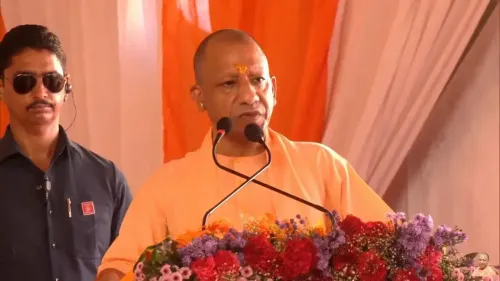
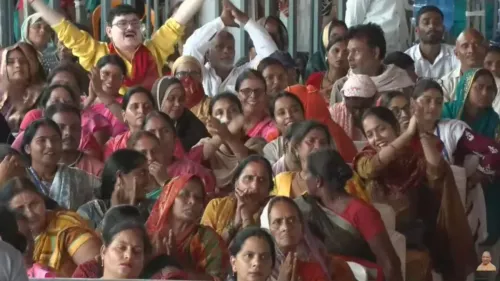
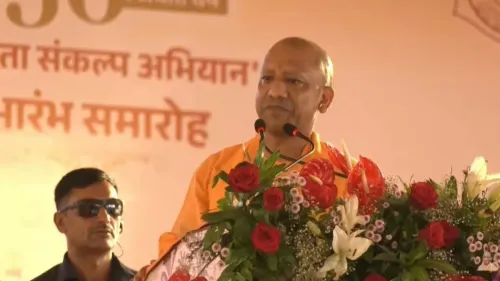
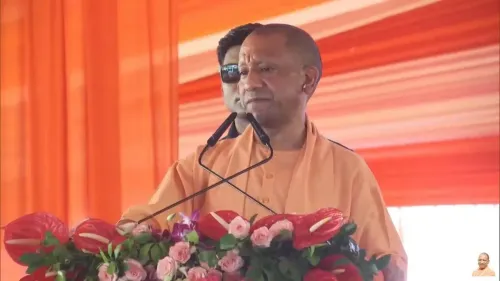
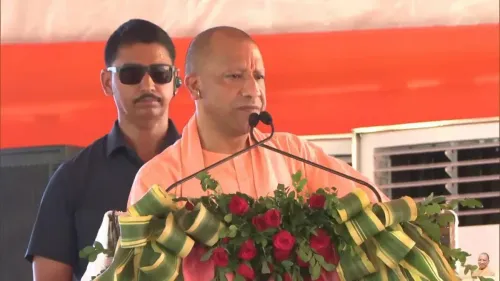
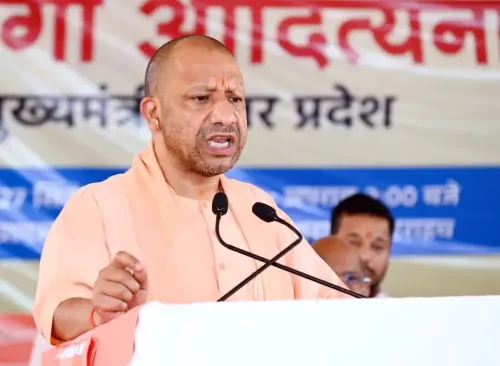
Uttar Pradesh Chief Minister Yogi Adityanath on Tuesday, 13 October issued a sharp warning in Bareilly that anyone provoking communal violence in the state would stand to lose not just their own assets but wealth inherited from their forefathers. The remarks came during a teachers' voters' conference and signal an escalation in the Bharatiya Janata Party (BJP) government's stated zero-tolerance stance on law-and-order disruptions ahead of the political cycle.
The Warning and Its Target
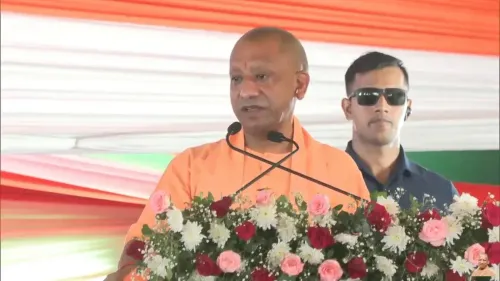
Addressing the gathering, Chief Minister Adityanath drew a direct line between pre-2017 communal unrest in Bareilly and the current administration's record. 'Before 2017, riots used to break out in Bareilly every time during festivals. Now, those who incited riots are reduced to observing the Urs in jail... Anyone who incites a riot will risk losing even the wealth inherited from their forefathers. Uttar Pradesh is now defined by its festivals, not by troublemakers. The perception of the state has changed due to improvements in law and order,' he said.
The statement is notably expansive — extending the financial consequence of punitive action beyond the individual to generational assets, a framing that is likely to draw both political support and legal scrutiny.
Attack on Samajwadi Party's Governance Record
Adityanath alleged that during the previous Samajwadi Party (SP) government's tenure, state power was deployed in favour of gangsters, rioters, and extortionists rather than teachers or the poor. 'Now, SP leaders are distressed by the action taken against the mafia,' he remarked. The SP has not issued an immediate public response to the allegations.
He also contrasted the current recruitment process with that of the SP era, asserting that earlier appointments to selection boards were stacked with family members and relatives. 'Whereas now, deserving youths are securing jobs without discrimination,' he said.
Welfare Announcements for Teachers
Setting the context of the event, Adityanath described teachers as 'nation-builders' and 'architects of the era', and enumerated several welfare measures extended under the current government. Cashless medical facilities have been rolled out for teachers across basic, secondary, and higher education sectors, as well as self-financed institutions.
Secondary school teachers now carry insurance coverage ranging from ₹80 lakh to ₹1.5 crore. Cooks — referred to under the scheme — have been provided with ₹5 lakh in cashless health coverage and ₹2 lakh in social security. Shiksha Mitras (para-teachers), instructors, and cooks have also been brought under the scheme. The number of State Teacher Awards and associated prize money have also been increased, he added.
Education Infrastructure and Recruitment
The Chief Minister stated that in 2017, there were more than 1.6 lakh vacant posts in basic and secondary education. Over the subsequent six-and-a-half years, the Uttar Pradesh government has, he claimed, transparently recruited an equivalent number of teachers.
Initiatives such as 'Operation Kayakalp' and 'Project Alankar' were cited as part of a broader push to modernise school infrastructure beyond mere construction. Smart classrooms, digital libraries, and Atal Tinkering Labs are being introduced to give rural students access to technical education, he said.
Adityanath also noted that Bareilly's identity has been formally elevated under the label of 'Nath Nagari', and cited the rejuvenation of 68 pilgrimage sites and 19 sacred wells in Sambhal as part of the government's cultural development agenda.
Economic Claims and Jobs
Rounding out his address, the Chief Minister asserted that 9.5 lakh youths have secured government jobs over the past nine-and-a-half years and that the state's economy and per capita income have tripled. These figures were not independently verified at the time of the address.
With assembly elections on the horizon, Tuesday's address in Bareilly — a politically sensitive city with a history of communal friction — reflects a deliberate attempt by the BJP government to anchor its governance pitch around law, order, and education reform simultaneously.
Point of View
And civil liberties groups are likely to challenge any such action. The choice of Bareilly — a city with a documented communal flashpoint history — as the venue underscores that this is as much an electoral signal as a governance statement. With the SP yet to formally respond, the political theatre is only beginning.
NationPress
13 Oct 2026
Frequently Asked Questions
What did Yogi Adityanath say about riot instigators in Uttar Pradesh?
Chief Minister Yogi Adityanath warned at a Bareilly event on 13 October 2026 that anyone who provokes riots in Uttar Pradesh will risk losing wealth inherited from their forefathers, in addition to facing personal legal consequences. He framed the warning as a continuation of the post-2017 crackdown on communal violence.
Why did Yogi Adityanath make these remarks in Bareilly?
Bareilly has historically experienced communal unrest during festivals, making it a symbolically significant venue for a law-and-order message. Adityanath specifically cited Bareilly's pre-2017 riot record as evidence of improvement under his government.
What welfare measures were announced for Uttar Pradesh teachers?
Adityanath announced cashless medical facilities for teachers across basic, secondary, and higher education sectors. Secondary school teachers carry insurance of ₹80 lakh to ₹1.5 crore, while cooks receive ₹5 lakh in cashless health coverage and ₹2 lakh in social security. Shiksha Mitras, instructors, and cooks have also been included in these benefits.
How many teachers has the UP government recruited since 2017?
According to Chief Minister Adityanath, more than 1.6 lakh teaching posts were vacant in 2017, and the state government has since recruited an equivalent number transparently over six-and-a-half years.
What was Adityanath's attack on the Samajwadi Party?
He alleged that during the SP government's tenure, gangsters, rioters, and extortionists were invited to the Chief Minister's residence rather than teachers or the poor, and that selection boards for appointments were packed with family members and relatives. He claimed SP leaders are now upset by the BJP government's action against the mafia.