South Korea recalls 146,505 vehicles: Hyundai, BYD, Mercedes among 6 carmakers
Synopsis
Six global automakers — including Hyundai, BYD, and Mercedes-Benz — are recalling over 146,000 vehicles in South Korea in a single sweep, covering defects from flickering dashboards to stalling engines. This follows a 532,000-unit recall in April, signalling that South Korean regulators are running an unusually tight quality-control net in 2025.
Key Takeaways
Six automakers — Hyundai Motor , BYD Korea , Mercedes-Benz Korea , Volvo Car Korea , Jaguar Land Rover Korea , and Stellantis Korea — are recalling a combined 146,505 vehicles across 38 models in South Korea.
Volvo Car Korea has the largest single recall at 55,405 units across seven models, followed by Hyundai Motor at 54,792 units .
Defects include software errors causing display failures ( Hyundai Tucson ), a stalling fuel pump ( Stellantis 300C ), and an airbag connector durability issue ( Jaguar Land Rover Defender 110 D240 ).
This recall follows a 532,144-unit recall in April 2025 involving Hyundai , Kia , KG Mobility Corp. , and Toyota Motor Korea .
All repairs will be carried out free of charge at authorised service centres under the oversight of South Korea's Ministry of Land, Infrastructure and Transport .
South Korea's Ministry of Land, Infrastructure and Transport on Thursday, 2 July 2025, announced that six automakers will voluntarily recall a combined 146,505 vehicles across 38 models to address defective components. The companies involved are Hyundai Motor, BYD Korea, Mercedes-Benz Korea, Volvo Car Korea, Jaguar Land Rover Korea, and Stellantis Korea.
Recall Breakdown by Manufacturer
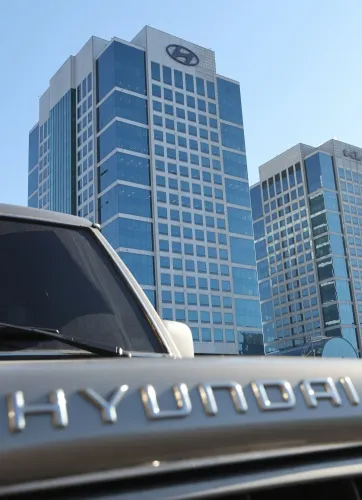
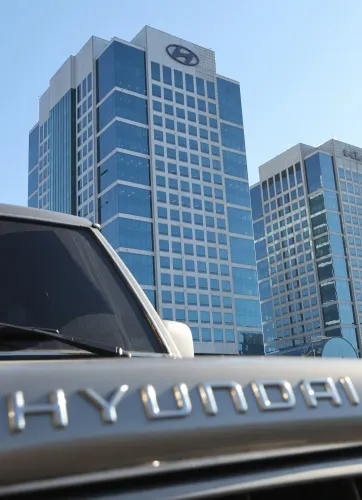
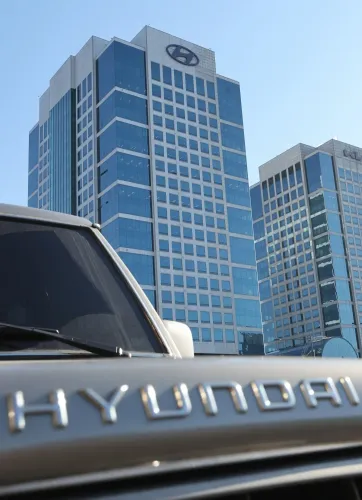
Hyundai Motor is recalling 54,792 units across two models, including the Tucson, after software errors in the instrument cluster control system were found to cause the display to flicker or shut off entirely — a safety concern that could distract drivers.
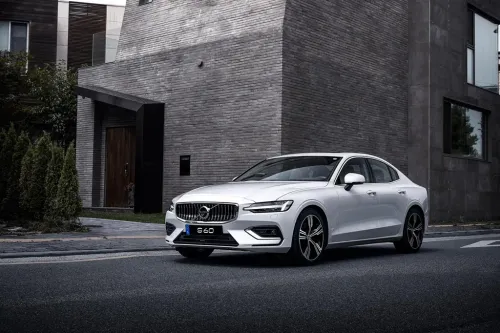
Volvo Car Korea accounts for the second-largest recall, summoning 55,405 units across seven models, including the XC60, for preventative maintenance due to a durability issue in a component within the 48-volt starter-generator system.
BYD Korea will bring in 18,091 units across six models, including the SEALION 7, over concerns that seat belt reminder warnings may be obscured by other on-screen notifications.
Jaguar Land Rover Korea is recalling 14,373 units across 21 models, including the Defender 110 D240, to fix a durability issue with the steering wheel airbag connector — a defect with direct implications for occupant safety.
Mercedes-Benz Korea is calling back 2,113 units of the C 300 4MATIC to address durability problems in the steering wheel electronics control circuit.
Stellantis Korea has initiated a recall of 1,731 units of the 300C due to a defective component in the high-pressure fuel pump that could cause the engine to stall while the vehicle is in motion.
Safety Concerns Driving the Action
The defects span a wide range of systems — from software-driven instrument clusters to mechanical fuel pump failures — highlighting the breadth of quality control challenges facing both legacy automakers and newer electric vehicle brands in the South Korean market. Notably, this is not an isolated incident: in April 2025, Hyundai Motor, Kia, KG Mobility Corp., and Toyota Motor Korea jointly recalled a combined 532,144 units across 17 models for similar reasons, according to the ministry.
BYD's Growing Recall Footprint in South Korea
The inclusion of BYD Korea in this recall is particularly noteworthy. As the Chinese automaker accelerates its push into South Korean and global markets, quality assurance scrutiny is intensifying. A seat belt warning system obscured by competing notifications may appear minor, but regulators and safety advocates argue that any compromise to passive safety reminders carries real-world risk.
What Happens Next
Affected vehicle owners will be notified directly by their respective manufacturers and can schedule repairs at authorised service centres at no cost. The Ministry of Land, Infrastructure and Transport is overseeing compliance across all six recalls. Given the scale of recalls seen in both April and July 2025, South Korean regulators appear to be maintaining heightened scrutiny over automotive safety standards across both domestic and imported brands.
Point of View
000 vehicles in total — suggest South Korean automotive regulators are running a tighter compliance net than in previous years, or that quality control pipelines across both legacy and EV brands are under genuine strain. BYD's appearance on the list is the detail that deserves the most scrutiny: as the Chinese automaker bids for market share in South Korea and beyond, recurring safety notifications — even minor ones — could become a reputational liability at a critical expansion moment. For Hyundai, a software-triggered instrument failure in the Tucson is a reminder that the shift to software-defined vehicles introduces new categories of risk that traditional recall frameworks were not designed to catch early.
NationPress
1 Oct 2026
Frequently Asked Questions
Which carmakers are recalling vehicles in South Korea in July 2025?
Six automakers — Hyundai Motor, BYD Korea, Mercedes-Benz Korea, Volvo Car Korea, Jaguar Land Rover Korea, and Stellantis Korea — are recalling a combined 146,505 vehicles across 38 models, as announced by South Korea's Ministry of Land, Infrastructure and Transport on 2 July 2025.
Why is Hyundai recalling vehicles in South Korea?
Hyundai Motor is recalling 54,792 units across two models, including the Tucson, due to software errors in the instrument cluster control system that can cause the display to flicker or shut off while driving.
What is the defect in BYD Korea vehicles being recalled?
BYD Korea is recalling 18,091 units across six models, including the SEALION 7, because seat belt reminder warnings may be obscured by other on-screen notifications, potentially reducing driver awareness of an unfastened seat belt.
How does this recall compare to South Korea's previous automotive recall in 2025?
In April 2025, Hyundai Motor, Kia, KG Mobility Corp., and Toyota Motor Korea recalled a combined 532,144 vehicles across 17 models. The July 2025 recall adds another 146,505 units, bringing the year's total to nearly 680,000 vehicles recalled in South Korea across two separate actions.
What should affected vehicle owners do?
Owners of the recalled vehicles will be contacted directly by their respective manufacturers and can book free repairs at authorised service centres. The South Korean Ministry of Land, Infrastructure and Transport is overseeing compliance across all six recalls.