Adani Energy Unveils 1,000 MW HVDC Link to Enhance Mumbai's Renewable Energy Capacity

Synopsis
Adani Electricity Mumbai Infrastructure Ltd has launched a groundbreaking 1,000 MW HVDC transmission link, connecting Kudus and Aarey. This project not only strengthens Mumbai's power infrastructure but also significantly boosts the integration of renewable energy sources, ensuring a more resilient energy supply for the region.
Key Takeaways
Adani Energy has launched a **1,000 MW** HVDC link in Mumbai.
This project connects **Kudus** and **Aarey** and enhances power infrastructure.
It features the world’s first compact HVDC substation.
The link promotes integration of renewable energy into the grid.
It addresses vulnerabilities exposed by the **October 2020 blackout**.
Mumbai, April 14 (NationPress) Adani Electricity Mumbai Infrastructure Ltd (AEMIL), a division of Adani Energy Solutions Ltd (AESL), has successfully launched a 1,000 megawatt high-voltage direct current (HVDC) transmission link connecting Kudus and Aarey. This marks a pivotal advancement in enhancing the power infrastructure for Mumbai and the broader Mumbai Metropolitan Region (MMR).
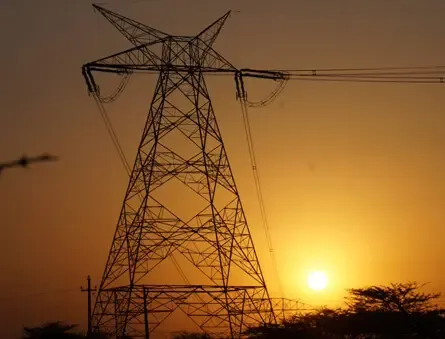
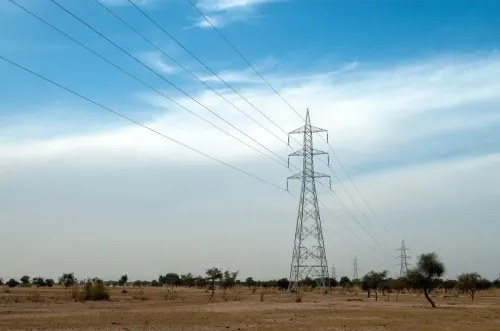
The initiative features a 30-kilometre overhead line alongside a 50-kilometre underground corridor, crafted to function effectively within the constraints of a densely populated urban landscape. It also incorporates the world's inaugural compact HVDC substation, as indicated by a statement from AESL released on Tuesday.
Developed in response to the vulnerabilities exposed by the October 2020 Mumbai blackout, this project signifies a concerted effort to bolster grid resilience and reliability.
This transmission link fundamentally enhances Mumbai and the MMR's capacity to draw additional electricity from external sources, including renewable energy produced in other regions. While Mumbai is already integrated into the national grid, this HVDC link elevates this connectivity, facilitating more controlled, efficient, and higher-capacity power flows, especially for renewable energy integration, as per the statement.
For the MMR—one of India's most energy-intensive urban areas—this project represents a transformative shift in electricity distribution. The extra 1,000 MW of capacity diminishes dependency on local generation, boosts grid resilience, and mitigates the likelihood of large-scale outages.
According to the statement, "This development underscores AESL's commitment to modernizing transmission infrastructure to accommodate India's expanding renewable energy capacity. As demand escalates in urban centers, effectively incorporating long-distance clean energy into city grids is vital for sustaining growth while achieving decarbonization objectives."
The project utilizes Voltage Source Converter (VSC)-based HVDC technology. This technology allows for quicker and more precise control of power flows, enhances voltage stability, and boosts grid reliability, particularly in space-constrained urban settings.
Additionally, it provides significant operational advantages, such as dynamic voltage support, decreased transmission losses over extended distances, and black-start capability, which enables power restoration without external assistance, facilitating quicker recovery during outages, as stated.
The Kudus–Aarey link ranks among the largest urban HVDC infeeds globally and is projected to notably increase the share of power sourced externally, alleviating pressure on in-city generation while reinforcing grid resilience as demand escalates throughout the MMR.
Adani Energy Solutions Ltd CEO Kandarp Patel remarked, "With the launch of the Aarey–Kudus transmission line, Mumbai now possesses a modern power corridor adept at integrating large-scale renewable energy with high reliability. This project represents one of the fastest HVDC implementations ever executed, powered by advanced VSC-based HVDC technology. It enhances grid stability, alleviates congestion in existing networks, and fortifies the city's energy security, marking a significant stride towards a cleaner, more resilient energy landscape for Mumbai."
Point of View
It is clear that the commissioning of this HVDC link by Adani Energy is a significant milestone for Mumbai. This project not only addresses past vulnerabilities in the power supply but also positions Mumbai to embrace a future with increased renewable energy integration. The focus on strengthening grid resilience and reliability is commendable and essential for sustainable urban growth.
NationPress
19 Sept 2026
Frequently Asked Questions
What is the capacity of the new HVDC transmission link?
The new HVDC transmission link has a capacity of **1,000 megawatts**.
How does this project enhance grid reliability?
By integrating more renewable energy from outside the city, this project enhances controlled and efficient power flows, thereby improving grid reliability.
What technology is used in the HVDC link?
The project utilizes **Voltage Source Converter (VSC)**-based HVDC technology for better control of power flows.
Why was this project initiated?
This project was initiated in response to the vulnerabilities exposed by the **October 2020 Mumbai blackout**, aiming to strengthen the city's power supply.
How does this project affect energy security in Mumbai?
By increasing the capacity to draw power from external renewable sources, it reduces reliance on local generation, thus enhancing energy security in Mumbai.