Is Adani Ports India’s First Integrated Transport Utility to Adopt the TNFD Framework?
Synopsis
In a groundbreaking move, Adani Ports has become India's first Integrated Transport Utility to embrace the TNFD framework, leading the way for sustainable infrastructure. This commitment not only enhances corporate transparency but also strengthens biodiversity conservation efforts, setting a precedent for the industry.
Key Takeaways
Adani Ports is the first in India to adopt the TNFD framework .
The initiative promotes biodiversity conservation .
APSEZ plans to enhance disclosure standards by FY26.
The company has a network of 15 ports across India.
It has contributed significantly to mangrove restoration .
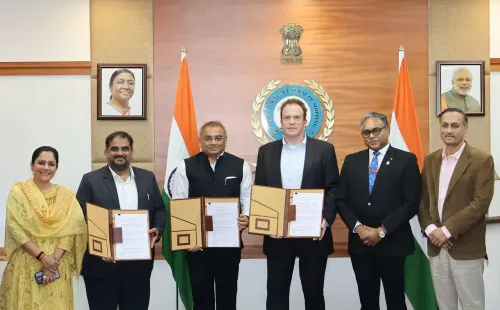
Ahmedabad, Nov 12 (NationPress) Adani Ports and Special Economic Zone Limited (APSEZ) announced on Wednesday that it has achieved the milestone of being India’s first Integrated Transport Utility to adopt the Taskforce on Nature-related Financial Disclosures (TNFD) framework, thereby establishing a new benchmark for nature-positive infrastructure development.
By doing so, APSEZ enters a select group of global port operators dedicated to advancing biodiversity, further affirming its commitment to protecting marine ecosystems through science-based, transparent environmental disclosures.
As an adopter of the TNFD, the company has pledged to implement TNFD-aligned reporting concerning nature-related dependencies, impacts, risks, and opportunities.
The TNFD represents a global, scientifically-grounded initiative established by a coalition that includes the United Nations Environment Programme Finance Initiative (UNEP FI), the United Nations Development Programme (UNDP), the World Wildlife Fund (WWF), and Global Canopy, which aims to assist companies in identifying, evaluating, managing, and disclosing nature-related risks and opportunities.
“We are convinced that responsible business practices lead to long-term success. Our adoption of the TNFD framework serves as a demonstration of our support for nature-related corporate reporting at COP30. We regard nature-related issues as a key aspect of our strategic risk management. The TNFD framework offers substantial support for incorporating nature into our decision-making processes and boosts our role in biodiversity conservation,” stated Ashwani Gupta, Whole-Time Director and CEO of APSEZ.
This initiative further solidifies APSEZ’s commitment to nature-positive business practices, positioning it as a frontrunner in sustainable maritime logistics.
In line with this commitment, Adani Ports plans to enhance its disclosure standards to ensure compliance with the TNFD recommendations in its corporate reporting, which will commence in FY26.
The company has already established climate risk assessment and disclosure practices that align with internationally recognized frameworks, continually setting benchmarks in environmental stewardship. It has successfully afforested over 4,200 hectares of mangroves and is actively conserving an additional 3,000 hectares, making it the largest private sector contributor to mangrove ecosystem restoration in India.
This initiative is a pivotal element of APSEZ’s extensive ESG strategy and demonstrates a proactive stance in evaluating and tackling nature-related dependencies, impacts, risks, and opportunities.
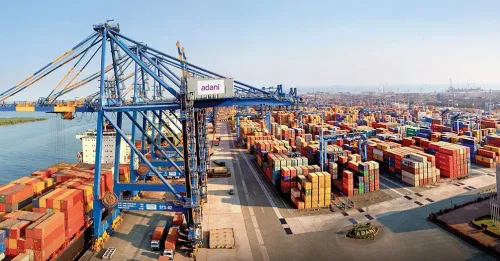
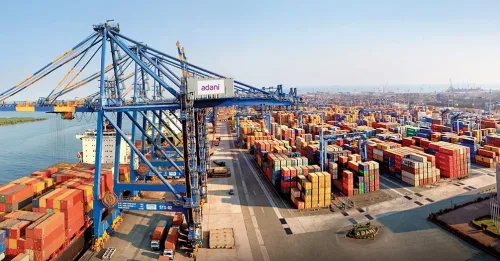
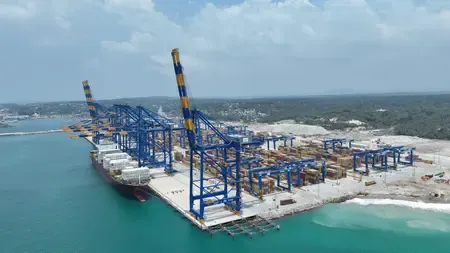
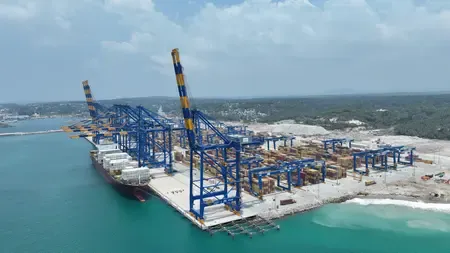
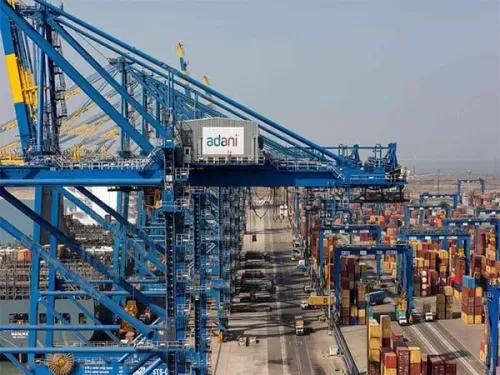
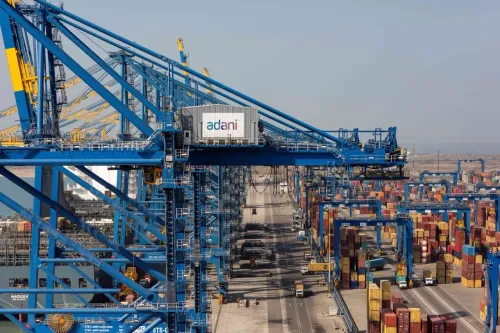
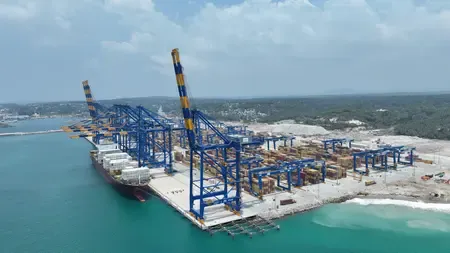
APSEZ operates a well-integrated ecosystem of 15 strategically located ports and terminals along India’s west, south, and east coasts, complemented by a diverse marine fleet of 127 vessels.
Point of View
The adoption of the TNFD framework by Adani Ports represents a significant advancement in corporate environmental responsibility. It reflects a growing trend among companies to align business practices with sustainability goals, contributing positively to India's ecological and economic landscape. This move positions APSEZ as a leader in the industry, encouraging other firms to follow suit in their commitment to environmental stewardship.
NationPress
30 Sept 2026
Frequently Asked Questions
What is the TNFD framework?
The TNFD framework is a global initiative designed to help organizations disclose and manage nature-related risks and opportunities, promoting transparency and accountability in environmental practices.
How does Adani Ports contribute to biodiversity?
Adani Ports contributes to biodiversity by implementing nature-positive practices and afforesting mangroves, thus enhancing marine ecosystems and supporting conservation efforts.
What are the benefits of adopting the TNFD framework?
Adopting the TNFD framework allows companies to better assess and manage nature-related risks, improve corporate transparency, and align with global sustainability standards.
How many ports does Adani operate?
Adani Ports operates a network of 15 strategically located ports and terminals across India's west, south, and east coasts.
What is the significance of this announcement?
This announcement signifies a major commitment to sustainable infrastructure development and sets a precedent for other companies in the industry to follow.