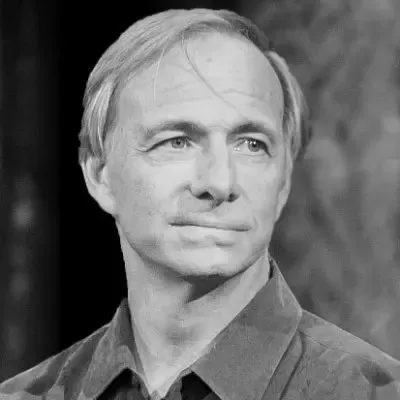
Ray Dalio warns AI is a 'classic bubble' nearing burst amid debt surge

Synopsis
Ray Dalio didn't hedge — he said the AI market is a 'classic bubble' and that 'we are close' to it bursting. With debt-financed tech spending at record levels, bond yields rising, and paper wealth proving hard to liquidate, Dalio's warning at the Forbes Global CEO Conference in Singapore is one of the starkest from a major investor yet.
Key Takeaways
Ray Dalio called AI a 'classic bubble' at the Forbes Global CEO Conference in Singapore on 7 October 2026 .
He warned that a large volume of debt is being raised to fund AI investment, and that rising interest rates could trigger a burst.
Dalio said investors would need to sell assets to convert paper wealth into cash, adding further pressure to markets.
The S&P 500 and Nasdaq 100 hit record highs this week despite his warnings, reflecting the disconnect he highlighted.
In June 2026 , Dalio had also warned about US fiscal risks between the 2026 midterms and the 2028 presidential election , writing on X that 'we are currently on the brink.'
Billionaire investor and Bridgewater Associates founder Ray Dalio warned on Wednesday, 7 October 2026 that artificial intelligence is a 'classic bubble' approaching a bursting point, driven by debt-fuelled investment and the pressure of rising interest rates. Dalio made the remarks at the Forbes Global CEO Conference in Singapore, adding that the current moment in the market cycle is dangerously close to a tipping point.
Dalio's Core Warning
'We are in the part of the cycle that is before that but approaching that,' Dalio said. 'I think we are close to that.' The Bridgewater founder argued that technology companies have been spending hundreds of billions of dollars on AI, with a growing share of that investment financed through debt — a combination that historically precedes sharp market corrections.
Higher bond yields globally have simultaneously raised the cost of building AI infrastructure, tightening the financial conditions that underpinned the sector's breakneck expansion. Despite these pressures, equity valuations have continued to climb, with optimism over technology earnings helping push the S&P 500 and Nasdaq 100 to record highs in the same week as Dalio's remarks.
The Liquidity Trap: Paper Wealth vs Real Cash
Dalio pointed to a second, less-discussed pressure: the difficulty of converting paper wealth into spendable cash. 'Everybody says "I'm worth a billion dollars" but OK, try to spend that,' he said. Investors would need to sell assets to realise their wealth, and that process of liquidation, he argued, can itself puncture bubbles by flooding markets with supply.
Wealth taxes and regulatory pressure on unrealised gains were cited as additional triggers that could force asset sales. This dynamic is particularly acute for technology insiders sitting on large, concentrated stock positions.
A Broader US Fiscal Warning
Dalio's Singapore remarks build on a warning he issued in June 2026, when he said the United States is entering a particularly risky window between the 2026 midterm elections and the 2028 presidential election. He flagged widening fiscal deficits, rising debt, and falling demand for US government bonds as compounding threats. 'I believe we are currently on the brink,' Dalio wrote in a post on X, describing the monetary situation as increasingly threatening.
Market Context and What It Means
The AI investment surge has been one of the defining market narratives of the past two years, with major technology firms collectively committing hundreds of billions of dollars to data centres, chips, and model development. Critics argue that much of this spending has yet to translate into proportionate revenue, raising questions about return on capital — a concern Dalio's bubble framing directly echoes.
Notably, Dalio has previously flagged an AI bubble, meaning Wednesday's remarks represent an escalation in his conviction rather than a fresh position. Markets will now watch whether rising yields and concentrated tech valuations begin to weigh on sentiment in coming weeks.
Point of View
Concentrated gains in a handful of stocks, and valuations that have outrun near-term revenue. Yet the same conditions persisted for years in the dot-com era before the correction arrived, and equity markets hitting record highs the same week underscores that conviction alone does not set timing. The more actionable part of Dalio's argument is the liquidity trap: when paper wealth cannot be easily cashed out and bond yields are rising simultaneously, the unwind — when it comes — can be disorderly. His June fiscal warning and this week's bubble caution form a coherent, if uncomfortable, thesis that mainstream market commentary has been slow to engage with seriously.
NationPress
7 Oct 2026
Frequently Asked Questions
What did Ray Dalio say about the AI bubble?
Ray Dalio said at the Forbes Global CEO Conference in Singapore on 7 October 2026 that AI is a 'classic bubble' and that markets are 'close' to a bursting point. He cited debt-financed AI investment and rising interest rates as the primary risks.
Why does Dalio think the AI bubble could burst?
Dalio argues that a large amount of debt is being raised to fund AI development, while higher bond yields are increasing the cost of financing that investment. At the same time, gains are concentrated in a small number of technology stocks, a pattern he associates with bubble conditions.
What did Dalio say about converting wealth to cash?
Dalio warned that investors sitting on large paper gains would eventually need to sell assets to generate real cash — a process he said can itself deflate bubbles by flooding markets with supply. Wealth taxes and pressure on unrealised gains could accelerate this dynamic.
Has Dalio warned about AI or US markets before?
Yes. In June 2026, Dalio warned that the US is entering a high-risk fiscal period between the 2026 midterm elections and the 2028 presidential election, citing rising deficits and falling demand for US government bonds. He has also previously flagged an AI bubble, making his October remarks an escalation rather than a new position.
How have markets responded to Dalio's warning?
Despite Dalio's concerns, the S&P 500 and Nasdaq 100 both hit record highs in the same week as his Singapore remarks, driven by optimism over technology earnings — illustrating the disconnect between valuation caution and market momentum he described.