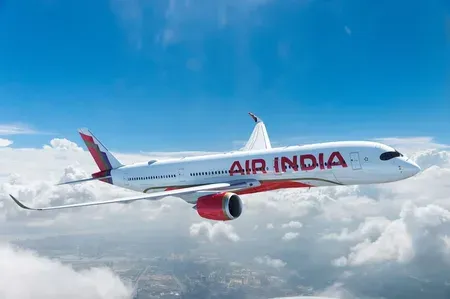
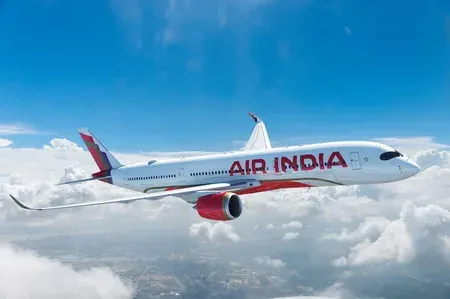
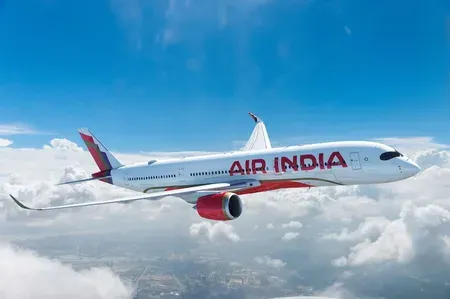
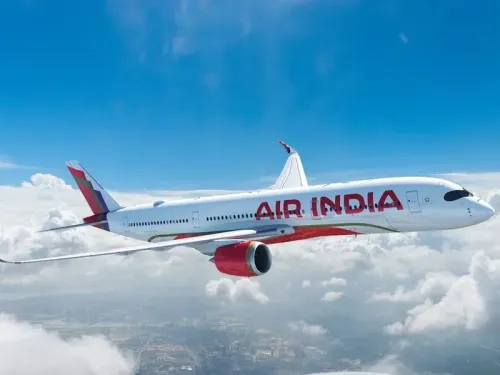
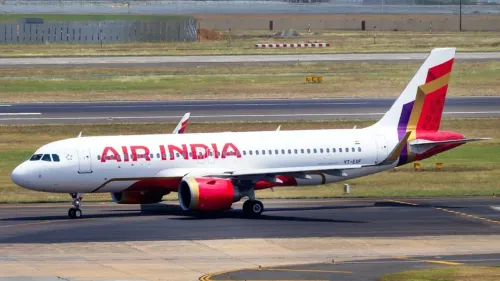
Air India flight AI2379 lost all hydraulic control for 4 seconds, 24 injured
Synopsis
An Air India Airbus A320neo lost control of its elevators, ailerons, and spoilers for four seconds over a total hydraulic failure on 4 August — a near-catastrophic event that injured 24 people and dropped the aircraft 300 feet. The pilot-in-command subsequently tested positive for marijuana, turning a rare technical emergency into a full-blown safety and regulatory crisis for the airline.
Key Takeaways
Air India flight AI2379 (Phuket–New Delhi) lost hydraulic control of primary flight surfaces for approximately 4 seconds on 4 August .
The aircraft dropped roughly 300 feet in altitude, injuring at least 24 passengers and crew .
All three of the Airbus A320neo 's hydraulic systems registered failures simultaneously, according to Airbus's preliminary DFDR analysis.
The pilot-in-command of the flight subsequently tested positive for marijuana in a confirmatory drug test.
Air India launched mandatory drug screening for all group pilots from 13 August .
Flight data was transmitted to Airbus's AIRTAC centre in Toulouse ; a formal DGCA investigation is ongoing.
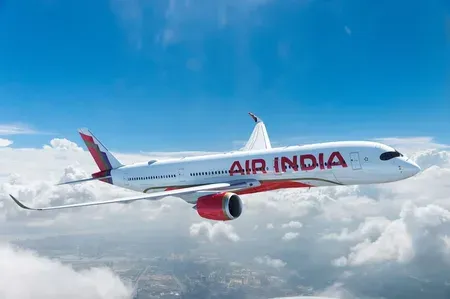
Air India flight AI2379, an Airbus A320neo operating the Phuket–New Delhi route, temporarily lost control of its primary flight surfaces for approximately four seconds on 4 August after failures were recorded across all three of the aircraft's hydraulic systems, according to a preliminary assessment by Airbus. The incident caused the aircraft to drop roughly 300 feet in altitude, injuring at least 24 passengers and crew members.
What the Flight Data Recorder Revealed
According to Airbus's analysis of the aircraft's Digital Flight Data Recorder (DFDR) — data transmitted to the manufacturer's AIRTAC technical support centre in Toulouse — the aircraft's elevators and ailerons, which govern pitch and roll, lost normal hydraulic control during the four-second window. Spoiler functions were also reportedly affected during the same period.
During that interval, the elevators and ailerons drifted without pilot command as the aircraft registered abnormalities across all three hydraulic systems, per Airbus's initial reading of the flight data. The autopilot subsequently disconnected, and the co-pilot — who was at the controls at the time — pushed the side-stick forward after the aircraft reportedly issued stall warnings.
Why the Pilot's Input Did Not Work Immediately
With hydraulic power temporarily unavailable, the co-pilot's control inputs did not produce the expected nose-down response. Once hydraulic systems recovered seconds later, the inputs took full effect, resulting in a sharp downward trajectory. Several passengers and cabin crew members were thrown upward inside the cabin, accounting for the injuries reported.
The aircraft was carrying 145 people in total — 137 passengers and eight crew members — at the time of the incident.
Pilot Drug Test and Airline Response
In a separate but related development, the pilot-in-command of flight AI2379 subsequently tested positive for marijuana in a confirmatory drug test, according to reports. The positive result adds a layer of regulatory and safety scrutiny to an incident already under examination for its technical causes.
Separately, Air India announced on 13 August that it has begun mandatory drug screening of all group pilots — a measure that appears to have been accelerated in the wake of the 4 August incident.
Broader Safety Context
A simultaneous failure of all three hydraulic systems on a commercial aircraft is an exceptionally rare event. Modern airliners like the A320neo are designed with redundant hydraulic circuits precisely to prevent total loss of flight surface control. This incident raises questions about whether the hydraulic failures were sequential or concurrent, and what triggered the cascade — details that India's aviation regulator, the Directorate General of Civil Aviation (DGCA), is expected to examine as part of its formal investigation.
This comes amid growing scrutiny of Air India's operational safety standards following its privatisation and ongoing fleet expansion. A full investigation report from Indian and international aviation authorities is awaited.
Point of View
Or whether this was a pure mechanical cascade. Air India's rapid rollout of mandatory drug screening looks responsive on the surface, but the more urgent question is what caused three independent hydraulic circuits to fail within seconds of each other — and whether the DGCA's investigation has the technical resources to answer it credibly. Aviation safety in India has improved, but incidents of this severity demand full, transparent disclosure, not just internal Airbus data accessed by a business news outlet.
NationPress
28 Sept 2026
Frequently Asked Questions
What happened on Air India flight AI2379 on 4 August?
Air India flight AI2379, an Airbus A320neo flying from Phuket to New Delhi, temporarily lost hydraulic control of its elevators, ailerons, and spoilers for approximately four seconds on 4 August. The aircraft dropped about 300 feet in altitude, injuring at least 24 passengers and crew members among the 145 people on board.
What caused the loss of control on the Air India flight?
According to a preliminary assessment by Airbus based on the aircraft's Digital Flight Data Recorder, all three of the A320neo's hydraulic systems registered failures during the incident. With hydraulic power temporarily unavailable, the co-pilot's control inputs did not immediately produce the expected response; once the systems recovered, the delayed inputs caused a sharp downward pitch.
Did the pilot test positive for drugs after the Air India incident?
Yes. The pilot-in-command of flight AI2379 subsequently tested positive for marijuana in a confirmatory drug test, according to reports. Air India separately announced mandatory drug screening for all group pilots beginning 13 August.
How serious is a total hydraulic failure on an Airbus A320neo?
A simultaneous failure of all three hydraulic systems is considered an extremely rare event on modern commercial aircraft. The A320neo is designed with redundant hydraulic circuits specifically to prevent total loss of flight surface control, making this incident of significant concern to aviation safety investigators.
Which authority is investigating the Air India hydraulic failure?
India's Directorate General of Civil Aviation (DGCA) is expected to conduct a formal investigation. Airbus has already transmitted the aircraft's flight data to its AIRTAC technical support centre in Toulouse and provided a preliminary assessment; a full investigation report from Indian and international aviation authorities is awaited.