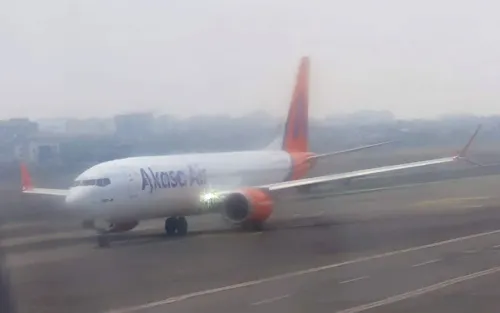
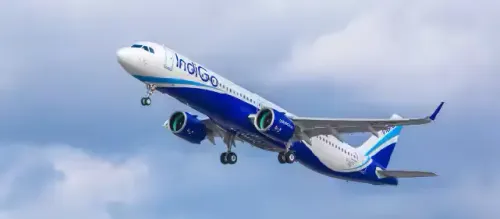
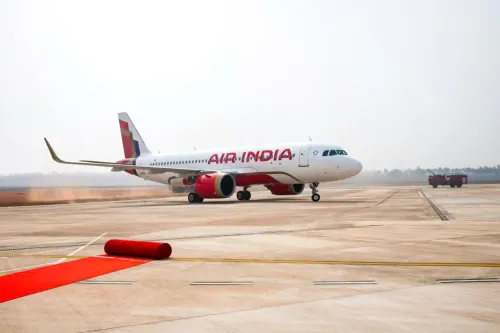
Indian airlines may drop fuel surcharge as crude oil prices ease
Synopsis
Indian airlines — Air India, IndiGo, and Akasa Air among them — are weighing a rollback of the fuel surcharge imposed in March, as crude oil prices retreat from recent highs. A decision could land by end of Q2 or early Q3, with domestic flyers first in line for relief. The catch: airlines want to be sure the crude price dip is here to stay before they act.
Key Takeaways
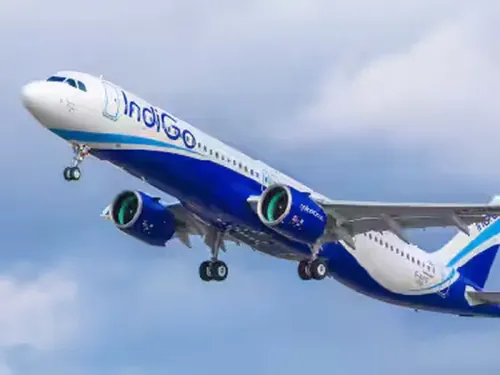
Air India , IndiGo , and Akasa Air are evaluating withdrawal of fuel surcharges introduced in March .
A decision is reportedly expected by end of Q2 or early Q3 of the current financial year.
Airlines are weighing a complete removal versus a phased rollback to balance affordability and profitability.
Domestic routes are expected to see surcharge relief before international services.
The surcharge was originally imposed to offset a surge in crude oil and ATF prices without changing base fares.
Indian airlines are actively considering a rollback of the fuel surcharge introduced earlier this year, as moderating global crude oil prices reduce pressure on operating costs — a move that could bring meaningful relief to air travellers in the months ahead, according to reports.
What Is Being Considered
A decision on the surcharge withdrawal is reportedly expected by the end of the second quarter or early in the third quarter. Carriers are currently adopting a wait-and-watch approach, evaluating whether the decline in crude prices is sustained enough to justify a rollback without compromising profitability.
Discussions within the industry are centred on two options: a complete removal of the surcharge, or a phased withdrawal that balances passenger affordability with airline economics, according to sources familiar with the matter.
Domestic Routes Likely to See Relief First
Domestic routes are expected to benefit ahead of international services. Fuel expenses and operating economics on international sectors remain comparatively more challenging, making a full rollback on those routes a more complex call for airline management.
Why the Surcharge Was Introduced
Major carriers — including Air India, IndiGo, and Akasa Air — had imposed fuel surcharges in March following a sharp surge in crude oil and Aviation Turbine Fuel (ATF) prices that significantly elevated operating costs. The levy was designed to offset higher fuel expenses without altering base ticket fares, which airlines prefer to keep stable for competitive reasons.
The Crude Oil Context
Global crude oil prices have declined considerably from their recent highs, easing the cost burden on carriers. However, airline executives remain cautious given the well-documented volatility in global energy markets. This comes amid broader uncertainty over OPEC+ production decisions and fluctuating demand signals from major economies, factors that could quickly reverse the current downtrend.
What Comes Next
With internal discussions reportedly underway across the industry, a calibrated industry-wide withdrawal appears more likely than a sudden removal. If crude prices hold at current levels, travellers on domestic routes could see lower effective ticket costs as early as the third quarter of the current financial year.
Point of View
But are moving cautiously on the rollback — a asymmetry that passengers have come to expect. The 'wait-and-watch' framing gives carriers maximum flexibility to delay relief if crude ticks back up, even marginally. Domestic aviation in India is acutely price-sensitive, and the surcharge — however justified operationally — has added friction to a market that was just recovering post-pandemic. The real question is whether airlines will pass on savings proactively or hold the line until competitive pressure forces their hand.
NationPress
22 Sept 2026
Frequently Asked Questions
Why are Indian airlines considering removing the fuel surcharge?
Indian airlines are considering a rollback because global crude oil prices have declined significantly from the highs seen earlier in the year, reducing operating cost pressure. Carriers including Air India, IndiGo, and Akasa Air are assessing whether the price decline is sustainable before making a final call.
When was the fuel surcharge introduced and why?
The fuel surcharge was introduced in March by major carriers including Air India, IndiGo, and Akasa Air, following a sharp rise in crude oil and ATF prices that raised operating costs. It was structured as an add-on levy to offset fuel expenses without altering base ticket fares.
When could the fuel surcharge be removed?
A decision is reportedly expected by the end of the second quarter or early in the third quarter of the current financial year. The exact timing depends on whether current crude oil price levels prove sustainable.
Will domestic or international flights benefit first?
Domestic routes are expected to see the surcharge removed first. International services face more complex fuel and operating economics, making a rollback on those routes a more gradual process.
What options are airlines considering for the rollback?
Airlines are reportedly discussing two approaches: a complete removal of the fuel surcharge, or a phased withdrawal that balances passenger affordability with airline profitability. An industry-wide calibrated rollback is considered more likely than an abrupt removal.