Airlines may be asked to cut surcharges as ATF prices ease, says Naidu

Synopsis
India's Civil Aviation Minister has signalled that airlines could be formally asked to roll back surcharges — but only if the dip in aviation fuel prices proves lasting. With a ₹10,000 crore stabilisation fund already deployed and ATF caps in place, the government is inching toward passenger relief, contingent on crude oil holding steady.
Key Takeaways
Civil Aviation Minister K Ram Mohan Naidu on 25 June said the government may ask airlines to reduce surge pricing if ATF price declines prove sustainable.
The Centre has initiated discussions with airlines to assess whether the current fuel cost easing is long-term or temporary.
Geopolitical tensions in recent months drove crude oil volatility, prompting carriers to hike fares and levy additional charges.
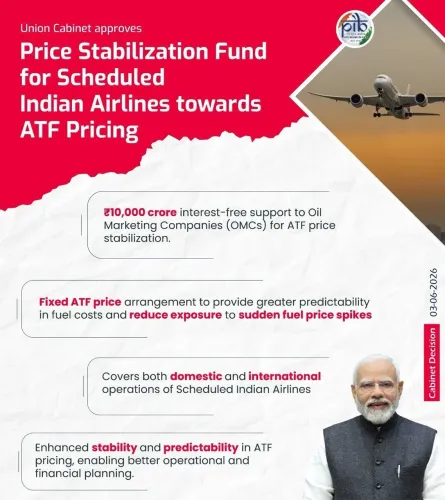
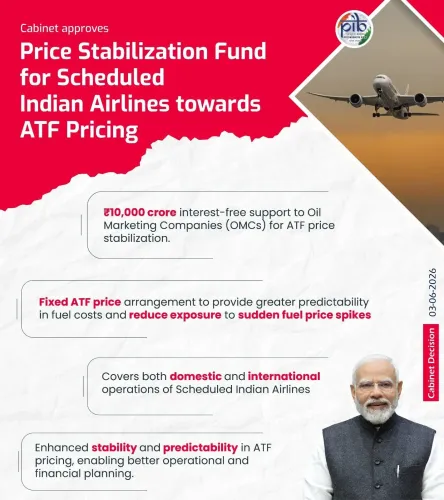
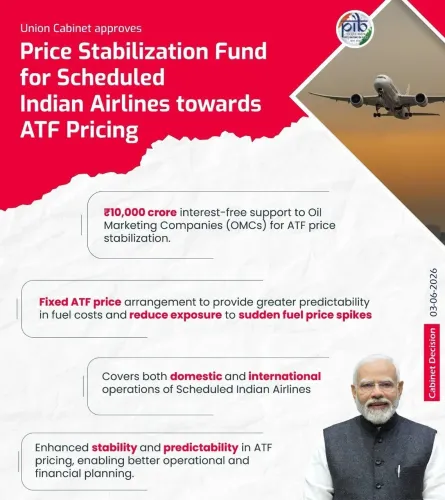
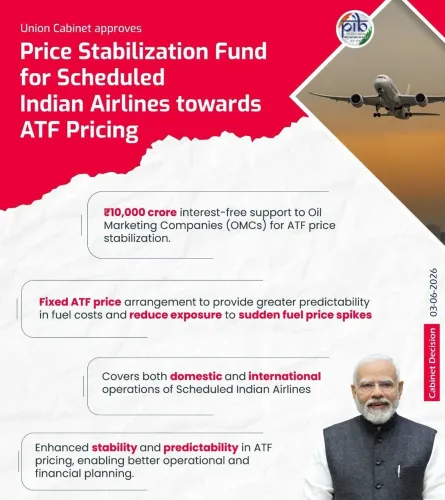
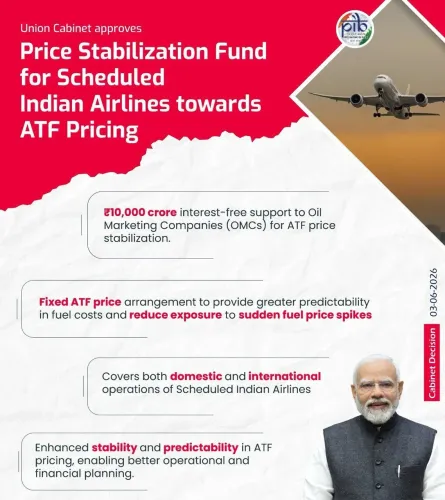
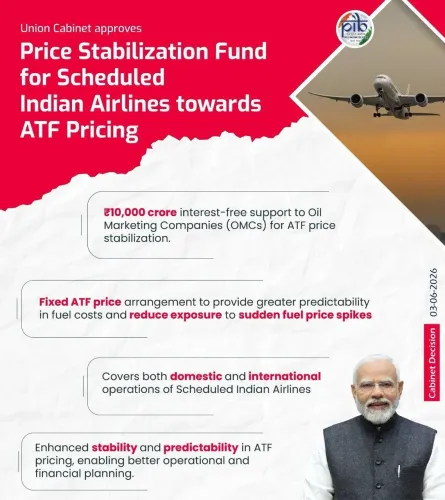
Government support measures include a ₹10,000 crore price stabilisation fund, ATF price caps for domestic airlines, reduced airport charges, and emergency credit support.
No timeline has been set; further decisions will depend on sustained stability in global energy and domestic fuel markets.
Civil Aviation Minister K Ram Mohan Naidu on Thursday, 25 June said the government may direct airlines to review and reduce surge pricing and additional passenger charges if the ongoing decline in aviation turbine fuel (ATF) prices proves sustainable. The Centre is closely monitoring fuel cost trends and has already initiated discussions with carriers to gauge whether the current easing is a structural shift or a temporary dip.
What the Minister Said
'At present, we are seeing prices coming down, but we need to assess whether this is a long-term reduction or a temporary fall. Discussions with airlines are underway,' Naidu said. He indicated that the government would formally engage with airlines on rolling back extra charges only once there is sufficient confidence that ATF prices have stabilised over a sustained period.
Why Fares and Surcharges Rose in the First Place
The aviation sector has faced significant headwinds in recent months, driven largely by geopolitical tensions that triggered volatility in global crude oil markets. Rising operational costs prompted carriers to levy additional charges and recalibrate fares to protect margins. The minister acknowledged that passengers bore the brunt of this cost pass-through.
Government Support Measures Already in Place
To cushion the industry during this period of turbulence, the Centre has rolled out several interventions. These include a ₹10,000 crore price stabilisation fund, a cap on ATF prices for domestic scheduled airlines, reductions in select airport charges, and emergency credit support extended to carriers. The measures reflect the government's stated intent to balance airline viability with passenger affordability.
What Passengers Can Expect Next
The minister stopped short of setting a timeline, saying the government will continue tracking global energy market developments and domestic fuel price movements before announcing any directive on airfare reductions. The objective, Naidu said, is to ensure that the benefits of lower fuel costs are eventually passed on to travellers. Industry watchers note that any formal directive will likely hinge on whether crude prices hold at current levels through the next few weeks of global trading.
Point of View
Not a directive — and that distinction matters. Conditioning passenger relief on a 'sustained' fuel price decline gives the government maximum flexibility while placing the burden of proof on market behaviour rather than policy action. Meanwhile, the ₹10,000 crore stabilisation fund and ATF caps show the Centre is willing to intervene on the supply side; the missing piece is a binding mechanism to ensure those savings reach ticket buyers. Without a clear trigger threshold — say, ATF staying below a defined price for a set number of weeks — this risks remaining a goodwill gesture rather than enforceable policy. Indian aviation's chronic capacity-demand mismatch also means airlines have limited incentive to voluntarily reduce surcharges in a market where load factors remain high.
NationPress
24 Sept 2026
Frequently Asked Questions
Why is the Indian government considering asking airlines to cut surcharges?
The government is considering the move because aviation turbine fuel prices have been declining following a period of crude oil volatility driven by geopolitical tensions. Civil Aviation Minister K Ram Mohan Naidu said the objective is to ensure passengers benefit from lower fuel costs once the price easing is confirmed to be sustainable.
What is aviation turbine fuel (ATF) and why does it affect airfares?
Aviation turbine fuel is the specialised jet fuel used by commercial aircraft, and it typically accounts for 30–40% of an airline's operating costs in India. When ATF prices rise sharply, as they did amid recent global crude oil volatility, airlines pass on the additional expense through fuel surcharges and higher base fares.
What measures has the government already taken to support the aviation sector?
The Centre has deployed a ₹10,000 crore price stabilisation fund, capped ATF prices for domestic scheduled airlines, reduced certain airport charges, and extended emergency credit support to carriers. These steps were introduced to help airlines manage cost pressures during periods of fuel price volatility.
When will airlines actually reduce fares or surcharges?
No specific timeline has been announced. Minister Naidu said the government will continue monitoring global energy markets and domestic ATF prices before issuing any formal directive. A reduction in passenger charges is contingent on sustained stability in fuel costs over the long term.
Who is K Ram Mohan Naidu?
K Ram Mohan Naidu is India's Civil Aviation Minister, responsible for overseeing policy governing domestic and international air travel, airport infrastructure, and airline regulation. He made these remarks on 25 June during discussions on fuel price trends and their impact on passenger airfares.