ATF prices cut by ₹5/litre from July 1 as crude oil softens
Synopsis
India's state-owned oil marketing companies have cut jet fuel prices by nearly ₹5 a litre from 1 July, with Delhi ATF now at ~₹110. The move comes on top of a new government scheme locking in a base ATF price for airlines for up to three years — a rare double intervention that could reshape airline cost structures if crude stays soft.
Key Takeaways
OMCs reduced ATF prices by nearly ₹5 per litre effective 1 July , bringing Delhi jet fuel to approximately ₹110 per litre .
The cut follows a softening in global crude oil prices after geopolitical tensions in West Asia eased.
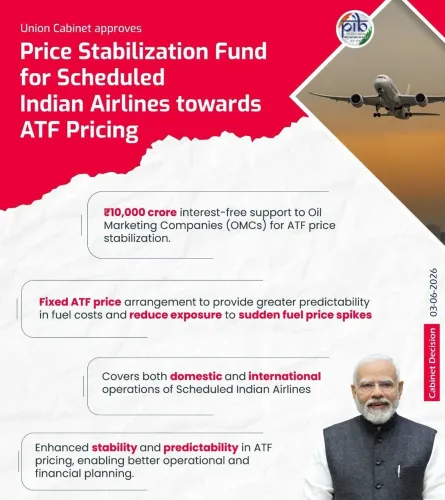
The Centre earlier in June fixed the base ATF price at ₹86.32 per litre under a voluntary price stabilisation scheme valid for up to three years .
Final selling prices under the scheme: ₹115/litre in Delhi, ₹114.50/litre in Mumbai, ₹139/litre in Chennai.
Windfall tax on petrol exports raised to ₹4/litre ; diesel export duty cut to ₹8.5/litre ; ATF export duty cut to ₹7.5/litre .
No change in domestic excise duty on petrol or diesel.
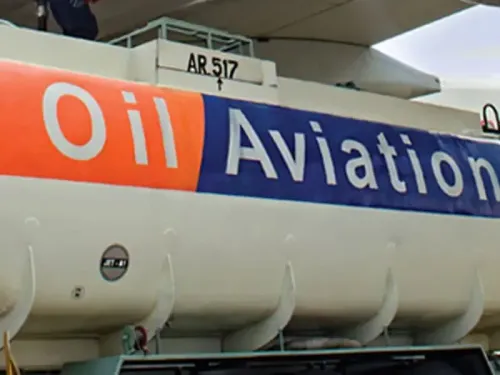
State-owned oil marketing companies (OMCs) slashed aviation turbine fuel (ATF) prices by nearly ₹5 per litre with effect from 1 July, as easing geopolitical tensions in West Asia dragged down international crude oil prices and reduced supply-disruption fears. The revised jet fuel price in Delhi now stands at approximately ₹110 per litre.
Impact on Airlines
The price reduction is expected to ease operating costs for domestic carriers, for whom fuel is the single-largest expenditure. However, the actual benefit to individual airlines will vary depending on their fuel procurement schedules and hedging positions.
This comes amid a broader softening in global crude markets over recent weeks, driven by subsiding tensions in West Asia and reduced concerns over supply disruptions — conditions that have provided meaningful relief to an aviation sector still managing post-pandemic cost structures.
The Price Stabilisation Scheme
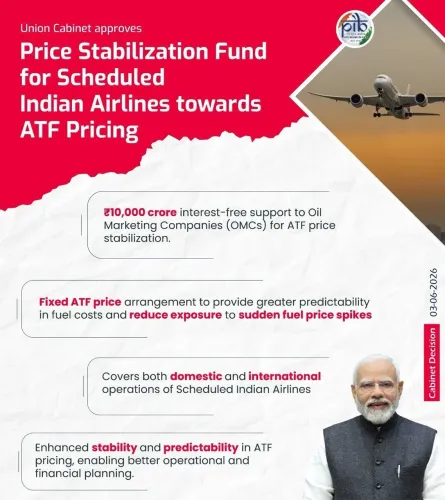
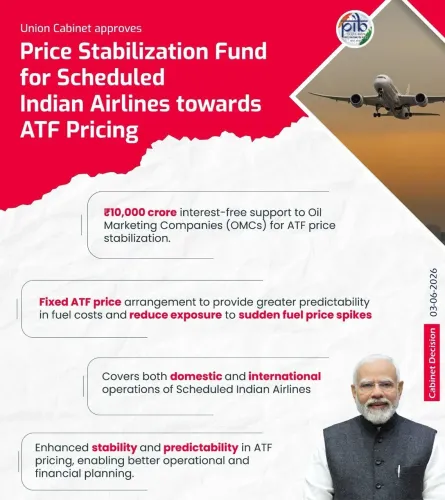
Earlier in June, the Centre introduced a voluntary price stabilisation scheme that fixed the basic free-on-board (FOB) benchmark price of ATF for domestic airlines at ₹86.32 per litre for up to three years. The scheme is designed to keep airlines financially viable and passenger ticket prices affordable.
Airlines participating in the scheme pay the fixed FOB benchmark plus airport charges, oil company margins, and applicable taxes. Under this structure, the final selling price works out to approximately ₹115 per litre in Delhi, ₹114.50 per litre in Mumbai, and ₹139 per litre in Chennai, according to government officials.
Windfall Tax Revisions on Petroleum Exports
Alongside the ATF price revision, the Centre has also revised the windfall tax on petroleum product exports. Under the updated rates, the Special Additional Excise Duty (SAED) on petrol exports has been raised to ₹4 per litre, while the export duty on diesel has been lowered to ₹8.5 per litre and on ATF to ₹7.5 per litre.
Notably, there is no change in the existing excise duty on petrol and diesel sold in the domestic market, officials confirmed.
What This Means Going Forward
The dual move — a market-rate ATF cut and the longer-term stabilisation scheme — signals a calibrated effort by the government to insulate the aviation sector from crude oil volatility. Whether airlines pass on the savings to passengers in the form of lower fares will depend on competitive dynamics and load factor pressures in the coming months.
Point of View
And it raises questions about what happens when crude spikes again and the subsidy burden falls on OMCs. The windfall tax revision — raising the levy on petrol exports while cutting it on diesel and ATF — suggests the government is actively managing export incentives to prioritise domestic aviation relief. The real test will be whether airlines translate lower fuel costs into ticket price reductions or simply protect margins.
NationPress
30 Sept 2026
Frequently Asked Questions
By how much have ATF prices been cut from 1 July 2025?
State-owned oil marketing companies have reduced aviation turbine fuel prices by nearly ₹5 per litre from 1 July 2025. The revised price in Delhi now stands at approximately ₹110 per litre.
Why have jet fuel prices been reduced in India?
The reduction follows a decline in international crude oil prices driven by easing geopolitical tensions in West Asia and reduced concerns over supply disruptions. Lower crude input costs allowed OMCs to pass on savings to airlines.
What is the ATF price stabilisation scheme introduced in June?
The Centre introduced a voluntary scheme in June that fixes the base free-on-board ATF price for domestic airlines at ₹86.32 per litre for up to three years. Participating airlines pay this fixed benchmark plus airport charges, oil company margins, and taxes, resulting in final prices of around ₹115/litre in Delhi, ₹114.50/litre in Mumbai, and ₹139/litre in Chennai.
Will airlines pass on the ATF price cut to passengers?
The benefit to passengers is not guaranteed. While lower ATF prices reduce operating costs for carriers, the actual pass-through will depend on each airline's fuel hedging strategy, competitive pressures, and load factor conditions.
What changes have been made to the windfall tax on petroleum exports?
The Special Additional Excise Duty on petrol exports has been raised to ₹4 per litre. The export duty on diesel has been reduced to ₹8.5 per litre and on ATF to ₹7.5 per litre. Domestic excise duties on petrol and diesel remain unchanged.