Anand Mahindra revisits Rishikesh memories, hopes city keeps its soul
Synopsis
Mahindra Group chairman Anand Mahindra shared nostalgic photographs of Rishikesh, recalling his student filmmaking days at Chotiwala restaurant and Swargashram, while welcoming new riverfront upgrades and urging the pilgrimage town to protect its spiritual identity.
Key Takeaways
Anand Mahindra posted photographs of Rishikesh on 18 October 2026 , recalling his time filming a thesis project there.
He named Chotiwala restaurant near Swargashram as a personal landmark from his student filmmaking days.
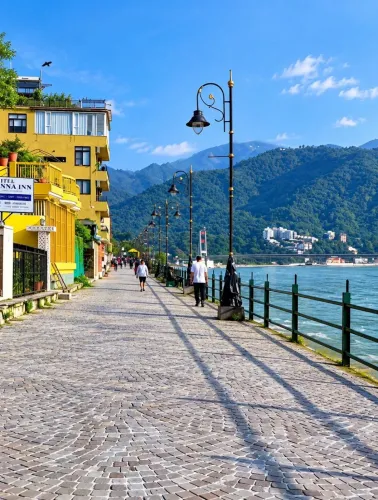
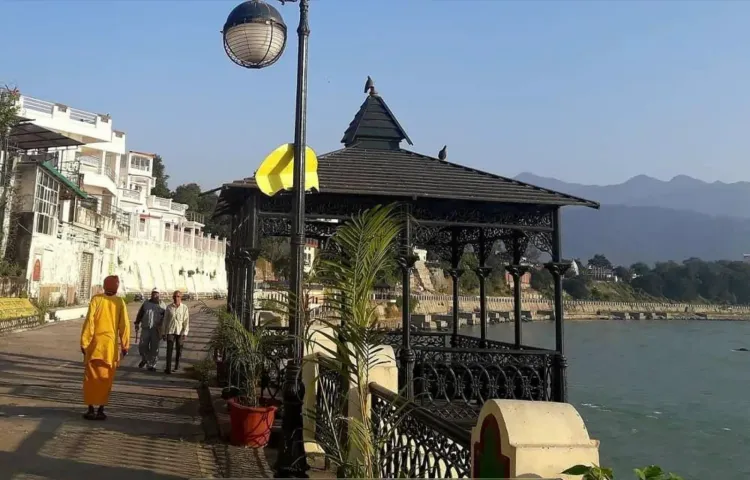
Mahindra observed new riverfront walkways and upgraded public spaces in the town.
He expressed hope that Rishikesh retains its 'soul' amid ongoing development.
The Namami Gange programme (launched 2014) has funded ghat and riverfront beautification in the Rishikesh–Haridwar corridor.
Mahindra signalled a personal return visit to assess the changes firsthand.
A famous restaurant that once fed a young filmmaker. A sadhu in the hills behind Swargashram. Mahindra Group chairman Anand Mahindra stepped back into his own past on Sunday, 18 October 2026, sharing photographs of Rishikesh and a quietly pointed question about what the riverside pilgrimage town is becoming.
Mahindra recalled that Chotiwala restaurant was 'practically my canteen' during the making of his thesis film, and that he ventured into the hills behind Swargashram to document a sadhu named Bankhandi Baba. The post is a rare personal window into the industrialist's early creative life — long before boardrooms.
New walkways, old questions
Mahindra's homecoming observation was warm but not uncritical. He noted 'new riverfront walkways' and 'spruced-up public spaces', calling the changes 'a welcome facelift for a town where nature has always done most of the decorating.' Then came the sharper line: 'I just hope that, amid all the changes, Rishikesh holds on to its soul.'
That tension — between amenity and authenticity — is one that planners and pilgrims have debated for years along the upper Ganges. The Namami Gange programme, launched in 2014, channelled significant central funding into riverfront beautification and ghat upgrades in the Rishikesh–Haridwar stretch. The ambition: better infrastructure for the millions who arrive each year. The anxiety: whether the very infrastructure that makes a sacred town accessible also erodes what draws people to it.
Spiritual tourism's double-edged boom
Uttarakhand has leaned heavily into religious and wellness tourism, and Rishikesh — the self-styled 'yoga capital of the world' — sits at the centre of that strategy. Better promenades and public spaces raise visitor comfort and footfall. But residents and long-time devotees of these sites repeatedly flag the same concern Mahindra voiced: that curated aesthetics can crowd out the rawer spiritual energy that made a place magnetic in the first place.
Mahindra ended his post with a promise to himself: 'Time to go back and see for myself.' Tagging it #SundayWanderer, he framed the reflection not as a policy critique but as personal curiosity — an industrialist who once carried a film camera through these ghats, now weighing whether the town he remembers still exists underneath the new paving.
Point of View
Which depends disproportionately on pilgrimage and wellness tourism, that trade-off carries real economic stakes, not just cultural ones. When a figure of Mahindra's visibility raises the 'soul' question publicly, it signals that the authenticity risk is entering mainstream business and governance discourse. Brands and state tourism boards that ignore the sentiment do so at reputational cost.
NationPress
18 Oct 2026
Frequently Asked Questions
Why is Anand Mahindra associated with Rishikesh?
Mahindra visited Rishikesh during his student filmmaking days, using Chotiwala restaurant as a regular haunt and filming a sadhu named Bankhandi Baba in the hills behind Swargashram for his thesis film.
What is the Namami Gange programme and what has it done in Rishikesh?
Namami Gange is a central government programme launched in 2014 to rejuvenate the Ganges. In the Rishikesh–Haridwar stretch it has funded riverfront beautification, ghat upgrades and public-space improvements.
What changes has Rishikesh seen recently?
According to Mahindra's post, Rishikesh now has new riverfront walkways and spruced-up public spaces, part of wider central and state government investment in religious tourism infrastructure.
What is Swargashram in Rishikesh?
Swargashram is a prominent spiritual and ashram area on the eastern bank of the Ganges in Rishikesh, known for its temples, sadhus and yoga centres.
Is Rishikesh a major tourism destination in India?
Yes. Rishikesh is widely regarded as the yoga capital of the world and attracts millions of pilgrims, wellness seekers and adventure tourists each year, making it a key driver of Uttarakhand's economy.