Apple-Broadcom $30 billion chip deal to power US semiconductor push through 2031
Synopsis
Apple's $30 billion Broadcom pact isn't just a supply deal — it's the centrepiece of a $600 billion US investment plan and a signal that on-device AI is reshaping how Big Tech sources its silicon. With 15 billion chips targeted on American soil and Broadcom expanding in Fort Collins, the deal marks a structural shift in how Apple manages its most critical component supply chain.
Key Takeaways
Apple and Broadcom have signed a multi-year deal worth more than $30 billion , running through 2031 .
The agreement is expected to support production of more than 15 billion chips in the United States .
Broadcom will invest $1.5 billion to expand its facility in Fort Collins, Colorado .
Custom ASIC chips will cover Bluetooth , Wi-Fi , and cellular connectivity , with a growing role in AI workloads.
The deal is the largest single component of Apple's $600 billion four-year US investment plan announced in 2025 .
CEO Tim Cook called it Apple's biggest-ever commitment under its American Manufacturing Program (AMP) .
Apple has signed a multi-year agreement worth more than $30 billion with Broadcom, extending through 2031, in what the Cupertino-based tech giant describes as its largest-ever manufacturing commitment on American soil. The deal is expected to support the production of more than 15 billion chips in the United States, deepening the country's domestic semiconductor supply chain.
What the Deal Covers
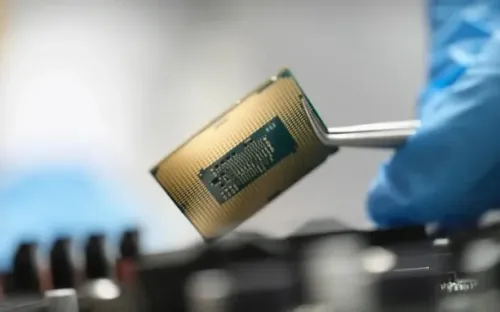
Under the agreement, Broadcom will manufacture custom application-specific integrated circuit (ASIC) silicon products for Apple in the US, including wireless connectivity components that power Bluetooth, Wi-Fi, and cellular connectivity across multiple generations of Apple devices. Broadcom disclosed the arrangement in a filing with the US Securities and Exchange Commission (SEC) earlier this week.
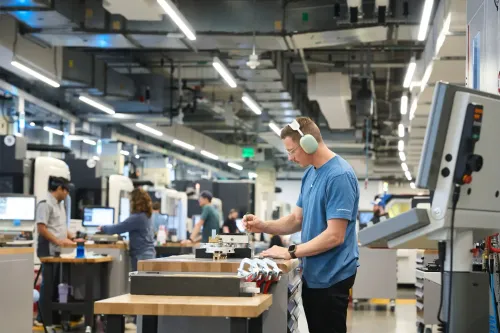
As part of the expanded partnership, Broadcom will invest $1.5 billion to expand its manufacturing facility in Fort Collins, Colorado. Neither company has specified when the additional production capacity will become operational.
Apple's Largest US Manufacturing Commitment
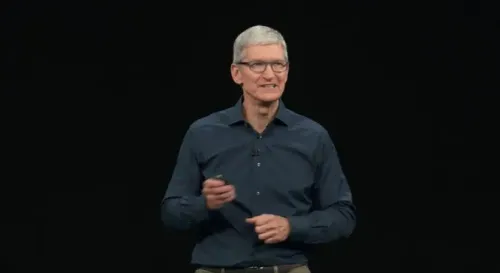
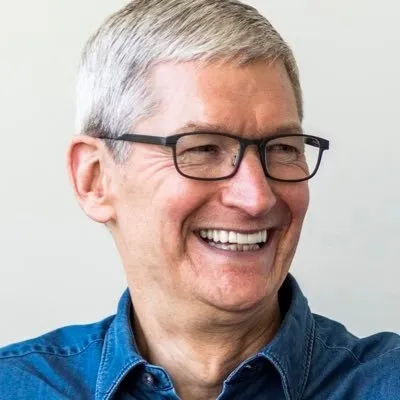
Apple Chief Executive Officer Tim Cook described the agreement as the company's largest commitment under its American Manufacturing Program (AMP). Cook also credited President Donald Trump and his administration for backing American manufacturing initiatives, noting that the components to be produced at the Fort Collins facility are 'essential to delivering the performance and connectivity that Apple customers expect across its devices.'
The deal represents the single largest component of Apple's broader $600 billion, four-year US investment plan unveiled in 2025, which aims to build a comprehensive end-to-end domestic silicon ecosystem. Apple said it has been working with the US administration and businesses across the country toward that goal.
The AI Angle
Beyond connectivity, the custom ASICs are expected to play an increasingly important role in artificial intelligence (AI) workloads as the technology becomes more deeply embedded in consumer devices. Analysts note that the shift toward on-device AI processing is driving demand for purpose-built silicon, making ASIC partnerships strategically critical for major platform companies.
This comes amid a broader industry push — from TSMC's Arizona fabs to Intel's domestic foundry ambitions — to reduce US dependence on Asian chip manufacturing. Apple's Broadcom pact adds significant private-sector momentum to that effort.
What Comes Next
The agreement extends Broadcom's long-standing role as a wireless connectivity supplier for Apple and signals a deeper integration of custom silicon into future Apple product lines. With the Fort Collins expansion timeline still undisclosed, the pace of actual chip output will be closely watched by both industry observers and policymakers tracking the US semiconductor revival.
Point of View
But the more consequential detail is the ASIC-for-AI clause. Apple is effectively locking in a domestic supply chain for the silicon that will define on-device intelligence — a category that will determine competitive differentiation over the next decade. The Fort Collins expansion also reflects a calculated political hedge: with tariff and export-control risk elevated, securing US-made components insulates Apple from the kind of supply shock that rattled the industry during the pandemic chip shortage. Whether 15 billion chips actually materialise by 2031 depends on execution timelines neither company has committed to — and that opacity deserves scrutiny.
NationPress
7 Oct 2026
Frequently Asked Questions
What is the Apple-Broadcom $30 billion chip deal?
It is a multi-year agreement, extending through 2031, under which Broadcom will manufacture custom ASIC silicon — including Bluetooth, Wi-Fi, and cellular components — for Apple in the United States. The deal is valued at more than $30 billion and is expected to produce over 15 billion chips on American soil.
Why is this deal significant for US semiconductor production?
The agreement is the largest single component of Apple's $600 billion, four-year US investment plan and represents the company's biggest-ever domestic manufacturing commitment. It adds substantial private-sector momentum to broader US efforts to reduce dependence on Asian chip supply chains.
What is Broadcom investing in Fort Collins, Colorado?
Broadcom will invest $1.5 billion to expand its manufacturing facility in Fort Collins, Colorado, as part of the new agreement. Neither Apple nor Broadcom has disclosed when the additional production capacity will come online.
How does artificial intelligence factor into this deal?
The custom ASICs covered by the agreement are expected to take on an increasingly important role in AI workloads as on-device artificial intelligence becomes more central to Apple products. Purpose-built silicon is seen as critical for efficient AI processing on consumer devices.
What did Apple CEO Tim Cook say about the deal?
Tim Cook described the agreement as Apple's largest commitment under its American Manufacturing Program (AMP) and credited President Donald Trump and his administration for supporting American manufacturing initiatives. He said the components to be made in Fort Collins are essential to device performance and connectivity.