Anand Mahindra Hails Araku Coffee's Fourth Paris Café
Synopsis
Mahindra Group chairman Anand Mahindra has celebrated the opening of Araku Coffee's fourth Paris café at Montmartre, bringing the tribal-origin Andhra Pradesh brand's global count to seven outlets, with more planned for Bengaluru, Mumbai, and New York.
Key Takeaways
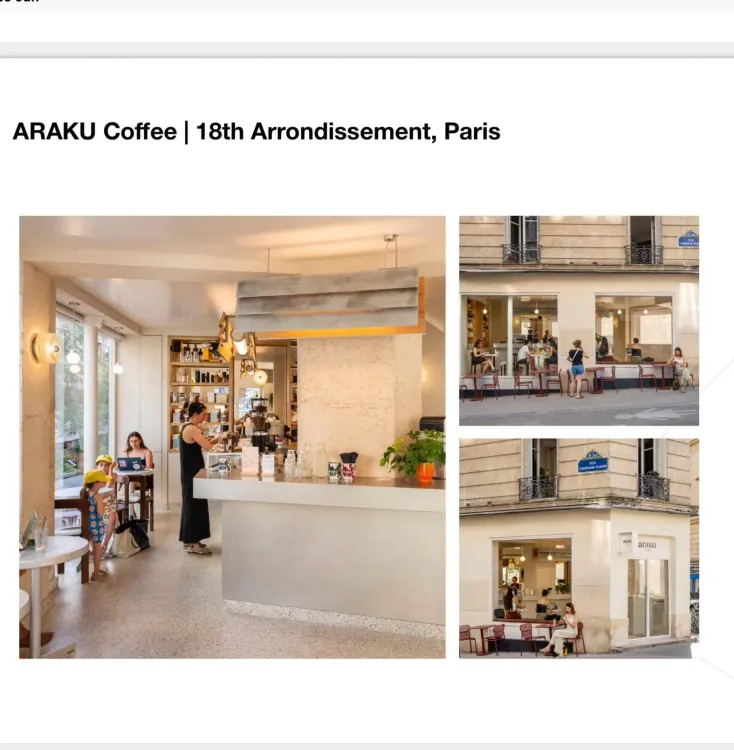
Araku Coffee's fourth Paris café launched on 30 May 2026 at 2 Rue Ferdinand Flocon , behind Montmartre.
The brand now operates seven cafés worldwide , with more in the pipeline for Bengaluru , Mumbai , and New York .
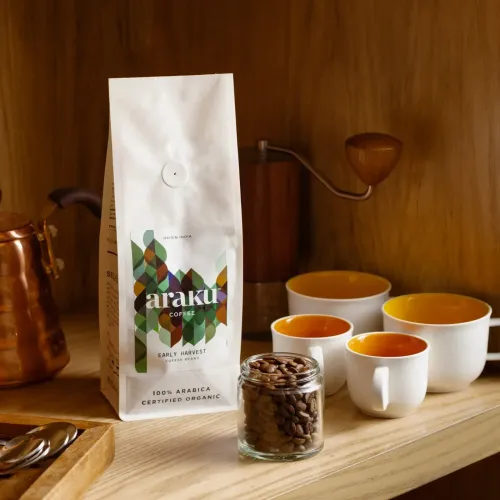
Araku Coffee is sourced from tribal organic farms in Araku Valley, Andhra Pradesh , and was developed by the Naandi Foundation as a social enterprise.
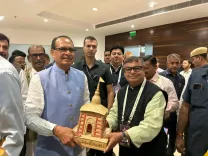
Mahindra Group chairman Anand Mahindra tagged Andhra Pradesh CM N.
Chandrababu Naidu and Naandi Foundation's Manoj Kumar in his celebratory post.
The expansion reflects a broader trend of Indian agricultural brands targeting premium markets in Europe and North America .
Mahindra Group chairman Anand Mahindra on Wednesday, 1 July 2026, celebrated the opening of Araku Coffee's fourth café in Paris, describing the tribal-origin Indian brand as one 'that knows no boundaries' as it continues its push into global premium markets.
Context
The new café, which launched on 30 May 2026 at 2 Rue Ferdinand Flocon — a street tucked behind the iconic Montmartre neighbourhood — brings the brand's total global footprint to seven cafés worldwide. Mahindra tagged Andhra Pradesh Chief Minister N. Chandrababu Naidu and Manoj Kumar of the Naandi Foundation, the social enterprise that pioneered the Araku Coffee project, in his post on X.
Araku Coffee sources its beans from organic farms in the Araku Valley, a hilly tribal belt in Andhra Pradesh. The brand was developed as a social enterprise to improve livelihoods for tribal farming communities who once practised shifting cultivation on those slopes.
Policy Backdrop
The Naandi Foundation began converting tribal farmland in Araku Valley to certified organic coffee cultivation in the early 2000s, creating one of India's most closely watched social-enterprise models in agriculture. The brand subsequently launched domestic cafés in the mid-2010s before making its first moves into European premium retail markets.
Andhra Pradesh has actively promoted Araku coffee as a flagship agricultural export, with the state government pursuing geographical indication (GI) protection and premium-market positioning for the variety. Chief Minister Chandrababu Naidu's mention in Mahindra's post underscores the political and institutional backing the brand continues to receive at the state level.
Stakeholders and Impact
At the heart of the Araku story are the tribal coffee farmers of Andhra Pradesh, whose incomes are directly tied to the brand's ability to command premium prices in high-value markets such as Paris. Each international café opening strengthens the supply-chain economics that flow back to growers.
For India's specialty coffee sector, the expansion signals that a social-enterprise origin story — rooted in tribal empowerment and organic certification — can be a durable competitive advantage in sophisticated European and North American markets. The model mirrors a broader pattern of Indian agricultural brands targeting high-value export destinations while simultaneously growing at home.
What's Next
Mahindra confirmed that additional cafés are 'in the pipeline' for Bengaluru, Mumbai, and New York, which would expand the network beyond seven locations. The New York opening, if completed, would mark the brand's entry into the North American market — a significant step for an Indian specialty coffee label.
Observers will watch whether the Andhra Pradesh government or the central government introduces new policy support — such as enhanced GI protection, export incentives, or dedicated coffee-promotion schemes — to accelerate the momentum that Araku's global café network is building for Indian tribal-origin produce.
Point of View
The Araku template — tribal empowerment, organic certification, premium export positioning — offers a replicable blueprint for other GI-tagged agricultural products. The planned New York entry will be the real test of whether the brand's narrative translates beyond European specialty-coffee culture.
NationPress
30 Sept 2026
Frequently Asked Questions
Where is the new Araku Coffee café in Paris?
The new Araku Coffee café is located at 2 Rue Ferdinand Flocon , behind the Montmartre neighbourhood in Paris, and launched on 30 May 2026 .
How many Araku Coffee cafés are there in the world?
As of July 2026, Araku Coffee has seven cafés worldwide , including four in Paris, with more planned for Bengaluru, Mumbai, and New York.
What is Araku Coffee and where does it come from?
Araku Coffee is a specialty brand sourced from organic tribal farms in Araku Valley, Andhra Pradesh . It was developed by the Naandi Foundation as a social enterprise to improve livelihoods for tribal farming communities.
What did Anand Mahindra say about Araku Coffee?
Mahindra Group chairman Anand Mahindra described Araku as 'an Indian brand that knows no boundaries' while celebrating the fourth Paris café opening on 1 July 2026 on X.
Is Araku Coffee opening a café in New York?
Yes, Anand Mahindra confirmed that a New York café is among the locations 'in the pipeline,' alongside planned outlets in Bengaluru and Mumbai .