Aricell CEO gets 4-year prison term for deadly South Korea battery plant fire
Synopsis
South Korea's Supreme Court has finalised a four-year prison term for Aricell CEO Park Soon-kwan over a 2024 lithium battery factory fire that killed 23 workers — far below the original 15-year sentence handed down by a district court. The verdict sets a landmark precedent for the country's Serious Accidents Punishment Act and raises pointed questions about whether reduced corporate sentences undercut the law's deterrent purpose.
Key Takeaways
Aricell CEO Park Soon-kwan received a finalised four-year prison sentence from South Korea's Supreme Court on 20 October 2026 .
The 2024 fire at Aricell's factory in Hwaseong killed 23 workers and injured nine .
Park's son, Aricell's managing director, had his sentence finalised at seven years , reduced from an initial 15 years .
Both sentences were originally 15 years each at district court level — the heaviest ever under the Serious Accidents Punishment Act .
The appeals court cleared both men of a charge over the absence of an emergency exit, citing a gap in existing safety rules.
The Serious Accidents Punishment Act (2022) carries a minimum of one year in prison and fines of up to 1 billion won for fatal industrial accidents.
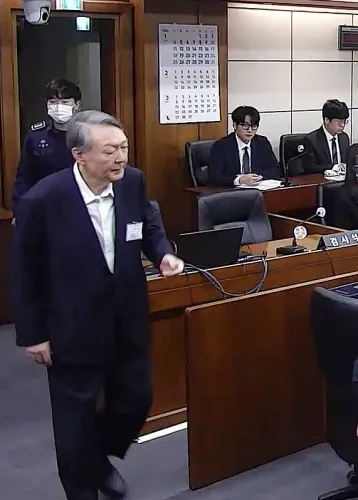
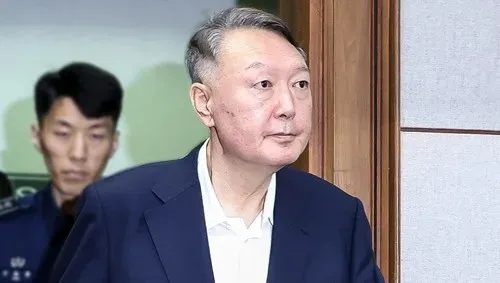
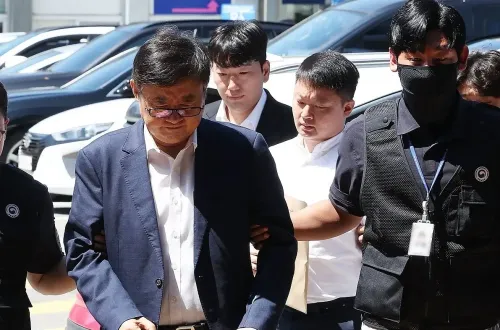
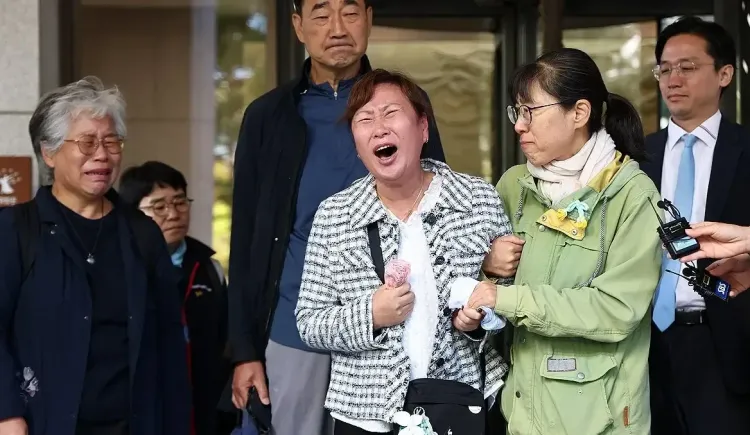
Park Soon-kwan, chief executive of South Korean lithium battery manufacturer Aricell, has had a four-year prison sentence finalised by the country's Supreme Court on 20 October 2026, over his failure to ensure adequate safety measures at the company's factory where a devastating fire in 2024 killed 23 workers and injured nine others. The ruling marks the conclusion of a landmark legal case that has tested the limits of South Korea's industrial safety legislation.
How the Sentences Were Reduced
A district court had initially handed Park Soon-kwan a 15-year prison sentence — the heaviest ever imposed on a CEO under the Serious Accidents Punishment Act since the law came into force in 2022. However, an appeals court substantially reduced the term to four years, clearing Park and his son — who serves as a managing director of Aricell — of a key charge relating to the absence of an emergency exit on the factory's second floor. The appellate court ruled that existing safety regulations do not specifically mandate exits on every floor of a facility.
The appeals court also gave weight to the company's settlements reached with the bereaved families of the victims. On Tuesday, the Supreme Court upheld the appeals court's verdict in its entirety, bringing the legal proceedings to a close.
Park's Son Also Sentenced
The Supreme Court simultaneously finalised a seven-year prison sentence for Park's son, the company's managing director. He, too, had originally received a 15-year term from the district court before the appeals court reduced his sentence. The differential in the two sentences reflects the court's assessment of their respective levels of responsibility in the safety failures.
What the Serious Accidents Punishment Act Prescribes
The Serious Accidents Punishment Act, enacted in 2022, holds business owners and chief executives personally liable for fatal industrial accidents at their companies. Under the law, convicted individuals face a minimum of one year in prison and/or a maximum fine of 1 billion won (approximately US$753,000) for such offences. The Aricell case had been closely watched as a bellwether for how aggressively South Korean courts would apply the relatively new legislation.
Background: The 2024 Hwaseong Factory Fire
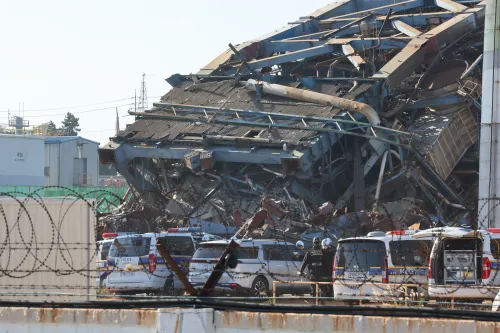
The fire broke out at Aricell's factory in Hwaseong, located approximately 45 kilometres south of Seoul, in 2024. The blaze, fuelled by lithium battery materials, proved particularly lethal — lithium fires are notoriously difficult to suppress and spread rapidly. A total of 23 workers were killed and nine were injured in the incident, making it one of South Korea's deadliest industrial accidents in recent years. The disaster intensified public and legislative scrutiny of workplace safety standards in the country's manufacturing sector.
What the Verdict Means for Industrial Safety in South Korea
The Supreme Court's decision to uphold the reduced sentences has drawn mixed reactions. While the original 15-year district court verdict was seen as a strong deterrent signal, the final four-year term — after appeals — has prompted questions among labour rights advocates about whether the Serious Accidents Punishment Act delivers proportionate accountability. Notably, this is among the first high-profile cases to test the law's sentencing framework at the highest judicial level, setting a precedent for future prosecutions of corporate executives in fatal workplace accident cases across South Korea.
Point of View
Resting on a regulatory grey area rather than factual dispute, also signals that safety law drafters left room for executives to escape accountability on technical grounds. As South Korea's manufacturing sector continues to face pressure on workplace safety, the Aricell precedent will be studied closely by both prosecutors and corporate legal teams in future cases.
NationPress
20 Oct 2026
Frequently Asked Questions
What sentence did Aricell CEO Park Soon-kwan receive?
The South Korean Supreme Court finalised a four-year prison sentence for Aricell CEO Park Soon-kwan on 20 October 2026. He had originally been sentenced to 15 years by a district court, but an appeals court reduced the term, and the Supreme Court upheld that reduction.
What caused the deadly fire at the Aricell factory?
A fire broke out at Aricell's lithium battery factory in Hwaseong, approximately 45 kilometres south of Seoul, in 2024. The blaze killed 23 workers and injured nine, making it one of South Korea's deadliest industrial accidents in recent years.
Why was Park Soon-kwan's sentence reduced from 15 years to 4 years?
The appeals court reduced the sentence after clearing Park and his son of a key charge — that they failed to install an emergency exit on the factory's second floor. The court held that safety regulations do not specifically require exits on every floor. The company's settlements with victims' families were also taken into account.
What is the Serious Accidents Punishment Act?
South Korea's Serious Accidents Punishment Act, which came into force in 2022, holds business owners and CEOs personally liable for fatal industrial accidents. Convictions carry a minimum one-year prison sentence and/or a fine of up to 1 billion won (approximately US$753,000).
What sentence did Park's son receive?
Park's son, who serves as managing director of Aricell, had a seven-year prison sentence finalised by the Supreme Court. He too had originally been sentenced to 15 years by the district court before the appeals court reduced his term.