Auto PLI investments hit ₹52,806 crore, 77,755 jobs: Govt

Synopsis
India's Auto PLI has overshot its ₹42,500 crore investment target, with ₹52,806 crore booked and 77,755 jobs logged. Incentive payouts have accelerated, hitting ₹4,385.28 crore in FY 2026-27 and ₹6,771.64 crore since launch, while nine champion OEMs have received domestic value addition certificates.
Key Takeaways
The Auto PLI scheme has drawn ₹52,806 crore in investments as of 30 September 2026 , above the ₹42,500 crore target.
Cumulative incentives have reached ₹6,771.64 crore , including ₹4,385.28 crore in FY 2026–27 as of 25 November 2026 .
The scheme has generated 77,755 jobs and incremental sales of ₹82,993 crore over the FY20 base year.
Approved budgetary outlay stands at ₹25,938 crore .
Eligible products need 50 per cent domestic value addition; certificates cover 9 champion OEMs ( 139 products) and 10 component champions ( 53 products).
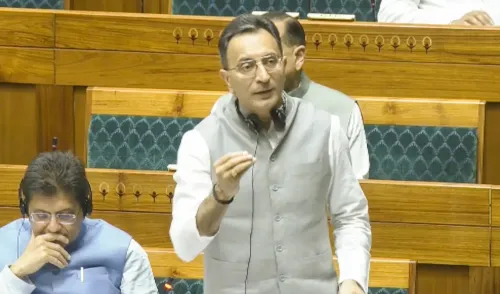
Kumaraswamy reviewed progress in New Delhi with Additional Secretary Hanif Qureshi .
The Production Linked Incentive (PLI) scheme for the automobile and auto component industry has attracted investments of ₹52,806 crore and generated 77,755 jobs, the Ministry of Heavy Industries said on 25 November 2026 in New Delhi. Union Minister for Heavy Industries and Steel H.D. Kumaraswamy reviewed implementation with senior officials, including Additional Secretary Hanif Qureshi, as cumulative incentive payouts reached ₹6,771.64 crore. The briefing assessed whether the flagship auto incentive programme is converting committed capital into advanced manufacturing, localisation and employment.
Key Developments
With an approved budgetary outlay of ₹25,938 crore, the PLI-Auto scheme aims to deepen domestic manufacturing, promote advanced automotive technologies and position India as a global hub for automobiles and auto components. As of 30 September 2026, approved applicants reported cumulative investments of ₹52,806 crore, exceeding the original target of ₹42,500 crore.
Notably, the investment target has been surpassed even as a large share of the sanctioned incentive envelope is yet to be paid out. The ministry said the scheme has also facilitated incremental sales worth ₹82,993 crore over the FY20 base year, a yardstick meant to capture additional output rather than only installed capacity.
Incentive Payouts Gather Pace
Incentive disbursements gathered pace during FY 2026–27, with payouts reaching ₹4,385.28 crore as of 25 November 2026. Since the scheme's inception, cumulative incentive disbursements have touched ₹6,771.64 crore.
That means most of the incentives released so far have been paid in the current financial year, pointing to a claims cycle that was slow at first and is now accelerating. Remaining headroom against the ₹25,938 crore outlay will depend on how quickly firms meet sales, technology and localisation thresholds tied to Advanced Automotive Technology (AAT) products.
The ministry said: “With a total approved budgetary outlay of ₹25,938 crore, the PLI-Auto Scheme has made significant progress in promoting investments, strengthening domestic supply chains and encouraging the manufacturing of Advanced Automotive Technology (AAT) products.” It added: “During FY 2026–27, incentive disbursements under the scheme reached ₹4,385.28 crore as of 25th November 2026. The cumulative incentive disbursement under the scheme since its inception has reached ₹6,771.64 crore.”
Domestic Value Addition at 50 Per Cent
Promoting domestic value addition remains a key objective of the programme. Eligible products must achieve a minimum domestic value addition of 50 per cent to qualify for incentives. As of 25 November 2026, domestic value addition certificates had been issued to nine champion original equipment manufacturers (OEMs) covering 139 products and variants, as well as 10 component champion companies covering 53 products and variants.
The certificate count shows that incentive access is still concentrated among a limited set of champion OEMs and suppliers. For the wider auto-component belt, clearing the 50 per cent localisation bar remains the practical gateway to payouts.
Jobs, Sales and Why the Scheme Matters
The initiative has generated 77,755 employment opportunities across the automotive value chain — nearly 78,000 jobs when rounded. Combined with incremental sales of ₹82,993 crore versus the FY20 baseline, the employment print is the outcome most closely watched in a scheme meant to build manufacturing depth, not merely subsidise existing capacity.
This comes amid the Centre's longer push to make India a competitive base for vehicles and components, including advanced and electric powertrains covered under the AAT category. Linking incentives to localisation and to incremental sales over a FY20 base is intended to pull more of the bill of materials onshore rather than reward screwdriver assembly.
How the unused portion of the ₹25,938 crore outlay is claimed, and whether more OEMs and component makers obtain domestic value addition certificates, will decide if the scheme broadens beyond the current champions. The ministry's latest review keeps the spotlight on capital already invested, jobs already counted, and localisation still being proved on the shop floor.
Point of View
But the payout lag is the more revealing number. Against a ₹25,938 crore incentive envelope, only ₹6,771.64 crore has been released even as firms report ₹52,806 crore of investment — a reminder that PLI success is measured in claimed, verified production, not in commitments. Jobs at 77,755 look modest beside that capital stock, and domestic value addition certificates remain confined to nine OEMs and ten component champions. Until localisation certificates and disbursements broaden, the scheme risks remaining a story of concentrated champions rather than a full-value-chain shift.
NationPress
25 Nov 2026
Frequently Asked Questions
How much investment has the Auto PLI scheme attracted?
Approved applicants have reported cumulative investments of ₹52,806 crore as of 30 September 2026, exceeding the original target of ₹42,500 crore. The Ministry of Heavy Industries released the figures after a review on 25 November 2026.
How much incentive has been paid under the Auto PLI scheme?
Cumulative incentive disbursements have reached ₹6,771.64 crore since the scheme began. Of that, ₹4,385.28 crore was paid in FY 2026–27 as of 25 November 2026, against an approved outlay of ₹25,938 crore.
How many jobs has the Auto PLI scheme created?
The scheme has generated 77,755 employment opportunities across the automotive value chain, according to the Ministry of Heavy Industries. It has also facilitated incremental sales of ₹82,993 crore over the FY20 base year.
What is the domestic value addition rule under Auto PLI?
Eligible products must achieve a minimum domestic value addition of 50 per cent to qualify for incentives. As of 25 November 2026, certificates had been issued to nine champion OEMs covering 139 products and variants and 10 component champion companies covering 53 products and variants.
Who reviewed the Auto PLI scheme progress?
Union Minister for Heavy Industries and Steel H.D. Kumaraswamy reviewed the scheme in New Delhi with senior ministry officials, including Additional Secretary Hanif Qureshi. The ministry used the meeting to assess investments, incentive payouts, jobs and localisation.