Giriraj Singh: banana, pineapple, lotus fibres for silk's future
Synopsis
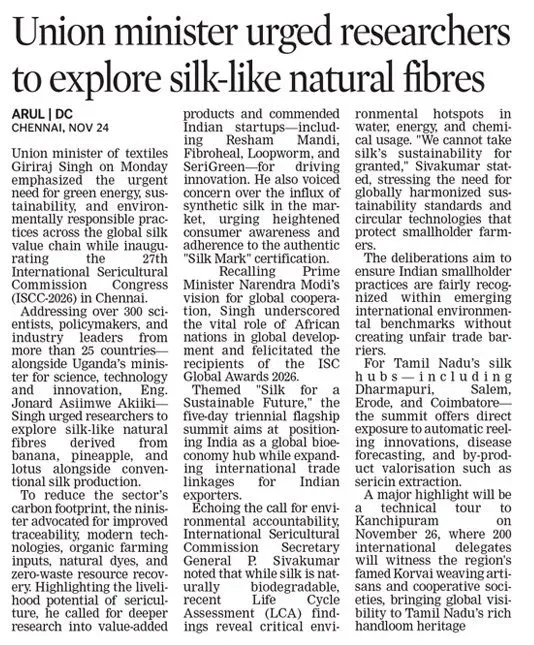
Union Textiles Minister Giriraj Singh said India's silk sector must add research and eco-friendly production of banana, pineapple and lotus fibres. He argued that blending tradition with modernity and sustainable development would lift the industry. The call fits a wider push to diversify textile raw materials beyond traditional sericulture.
Key Takeaways
Union Textiles Minister Giriraj Singh on 25 November 2026 called for research and eco-friendly production of banana, pineapple and lotus fibres.
He said blending tradition with modernity and sustainable development would take the silk sector to new heights.
The Central Silk Board oversees silk and sericulture under the Ministry of Textiles.
Silk Samagra supports research, extension and infrastructure in the silk sector.
India has been diversifying textile raw materials toward plant-based natural fibres alongside traditional silk.
No specific new funding figures or project names were announced in the post.
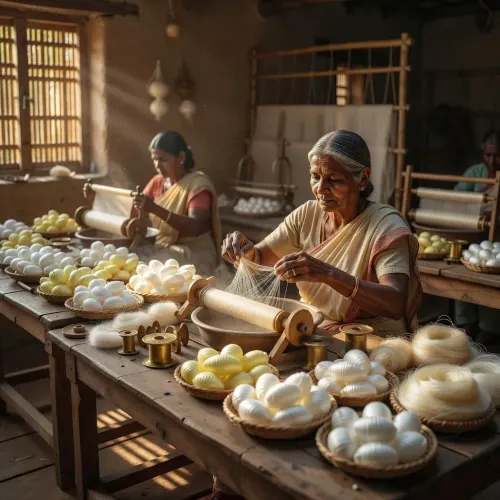
Union Textiles Minister Giriraj Singh on 25 November 2026 put India's sericulture on a new clock from New Delhi. Traditional silk, he said, will not stay aligned with future demand unless research, innovation and environment-friendly production of banana, pineapple and lotus fibres are pushed into the mainstream. The senior BJP leader and Lok Sabha MP from Begusarai framed the choice as tradition meeting modernity, not one replacing the other.
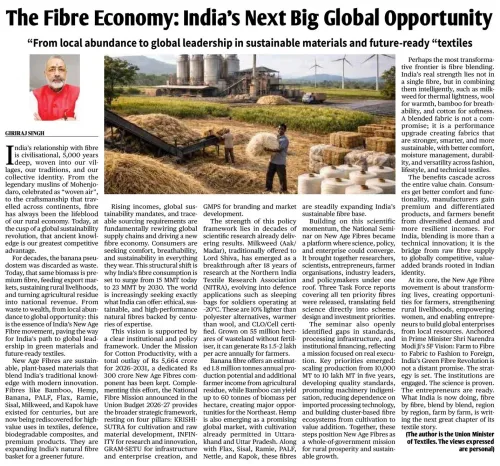
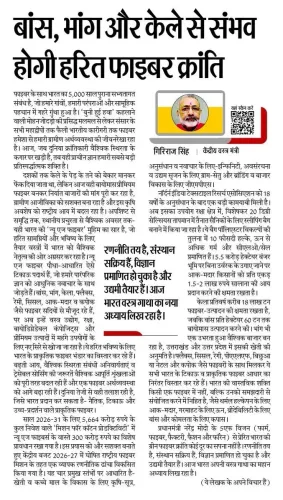
In a post on X, Singh wrote that to make the Indian silk industry suited to future needs, research, innovation and eco-friendly production on natural fibres such as banana, pineapple and lotus would have to be promoted. He added that only the coordination of tradition with modernity and सतत विकास (sustainable development) would take the sector to new heights.
Banana, pineapple and lotus enter the silk brief
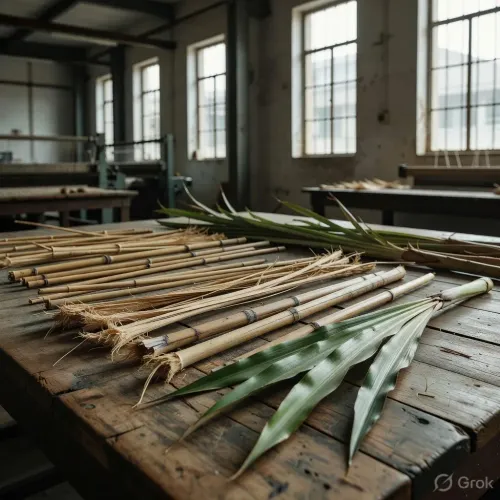
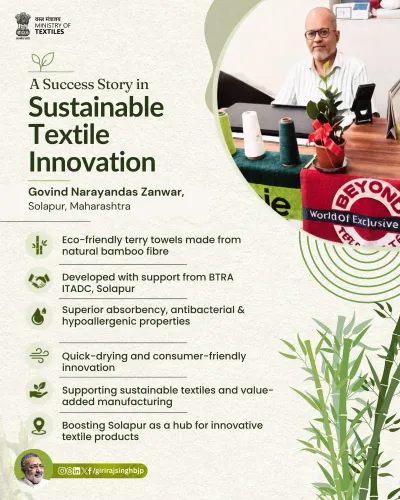
Banana stems, pineapple leaves and lotus stalks are not fashion footnotes. They are plant biomass already grown at scale in India, and they yield fibres that can sit beside mulberry silk in a wider textile raw-material basket. Singh named all three in one line, signalling that sericulture policy should look beyond the cocoon.
India has pursued diversification of textile raw materials toward plant-based natural fibres alongside traditional silk. Policy has emphasised sustainable production methods to meet both domestic demand and export standards. That is the pattern the minister is amplifying: older sericulture practices, newer work on alternative fibres.
Silk Samagra and the Central Silk Board
The Central Silk Board, a statutory body under the Ministry of Textiles, oversees development of the silk and sericulture sector. The Silk Samagra scheme was launched to support research, extension and infrastructure in that sector. Those are the existing pipes through which any banana, pineapple or lotus fibre programme would have to flow.
No new project names or rupee figures were attached to the post. What to watch is whether future textile-sector budgets or scheme revisions allocate dedicated R&D for these three fibres. Silk producers and natural-fibre farmers are the stakeholders who would feel that shift first.
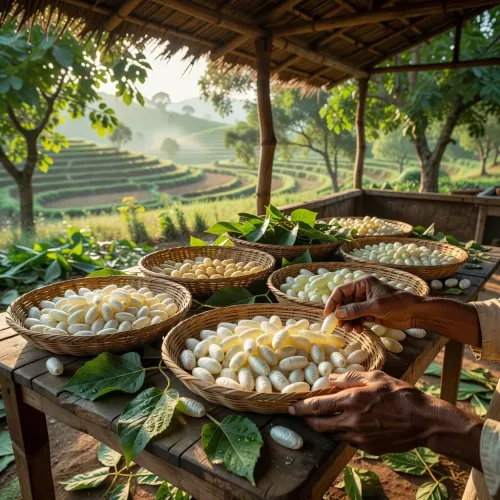
From cocoons to farm waste
Lotus fibre is laborious to extract. Banana and pineapple fibre often start as agricultural residue. Turning residue into yarn is how sustainability language becomes a farm-gate price. Singh's argument is that this coordination — tradition plus modernity plus sustainable development — is what will lift the industry, not a clean break from silk.
The next textile budget and any Silk Samagra revision will show whether banana, pineapple and lotus fibre research moves from a ministerial call into labs and farm-gate offtake. That is the height he is pointing to.
Point of View
And widen India's fibre basket toward plant waste streams that already exist on farms. Banana, pineapple and lotus are not a replacement for mulberry; they are a hedge against raw-material concentration and a way to meet sustainability tests in export markets. Silk Samagra already funds research and extension; the political signal is that alternative fibres should share that pipeline. The test is whether scheme revisions actually earmark labs and farmer offtake, not just language.
NationPress
25 Nov 2026
Frequently Asked Questions
What did Union Textiles Minister Giriraj Singh say about the silk industry?
On 25 November 2026 he said India must promote research, innovation and environment-friendly production of natural fibres such as banana, pineapple and lotus so the silk industry can meet future needs. He tied that push to blending tradition with modernity and sustainable development.
Why banana, pineapple and lotus fibre for silk?
These plant fibres can be extracted from agricultural biomass and sit alongside traditional silk as sustainable raw materials. Singh named them as part of aligning the Indian silk industry with future demand and eco-friendly production.
What is the Central Silk Board?
It is the statutory body under the Ministry of Textiles that oversees development of the silk and sericulture sector in India. Any new work on alternative natural fibres would sit in that institutional frame.
What is the Silk Samagra scheme?
Silk Samagra was launched to support research, extension and infrastructure development in India's silk sector. It is the main existing scheme through which sericulture R&D and related fibre work would typically be funded.
Did Giriraj Singh announce new funds for these fibres?
No. The post did not name specific new research projects or funding figures. Future textile budgets and scheme revisions will indicate whether dedicated R&D allocations follow.