Giriraj Singh backs FTAs and PM MITRA to boost textile exports
Synopsis
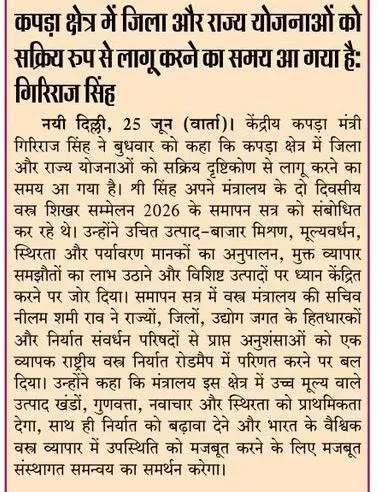
Textiles Minister Giriraj Singh backed analyst Dr. Jayantilal Bhandari's assessment that FTAs, export growth, and the seven-park PM MITRA scheme are elevating India's position in global textile trade, calling for continued focus on technology, skilling, and policy consistency.
Key Takeaways
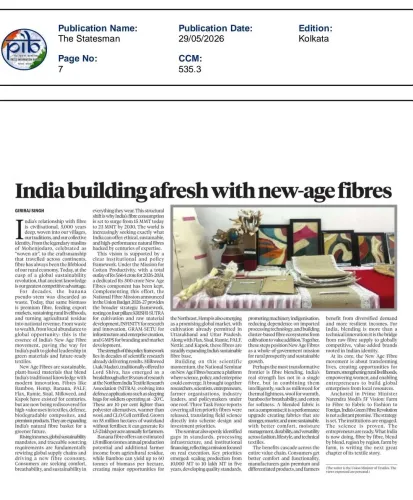
Union Textiles Minister Giriraj Singh on October 13, 2026 shared and endorsed an article by economist Dr.
Jayantilal Bhandari on India's textile sector growth.
The article highlights FTAs, rising exports and PM MITRA parks as key drivers of India's global textile competitiveness.
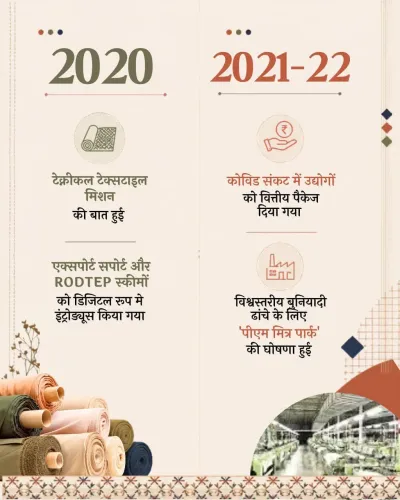
PM MITRA — seven Mega Integrated Textile Region and Apparel parks — was approved in 2021 to create plug-and-play integrated textile infrastructure.
India signed textile-inclusive trade agreements with the UAE (CEPA, 2022) and Australia (ECTA, 2022) ; EU and UK FTA talks are ongoing.
Singh emphasised skill development, modern technology and sustained policy effort as essential alongside trade access.
The strategy targets competition with Bangladesh and Vietnam as part of the Atmanirbhar Bharat manufacturing push.
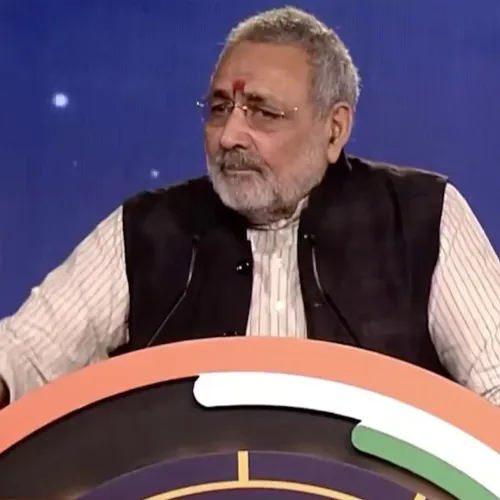
India's textile sector is being repositioned as a global manufacturing powerhouse — and Union Textiles Minister Giriraj Singh wants the policy roadmap on record. On Tuesday, October 13, 2026, the Minister shared an article by economist Dr. Jayantilal Bhandari on X, endorsing its argument that free trade agreements, rising exports, and the PM MITRA park initiative are collectively strengthening India's standing in global textile trade.
Posting in Hindi, Singh wrote: 'Dr. Jayantilal Bhandari ji ne apne lekh mein rekhankit kiya hai...' — 'Dr. Jayantilal Bhandari has underlined in his article that through FTAs, growing exports and initiatives like PM MITRA parks, India's textile industry is strengthening at the global level.' He added that sustained policy efforts, modern technology, skill development and stronger industry support must drive India's global competitiveness further forward.
What PM MITRA is actually building
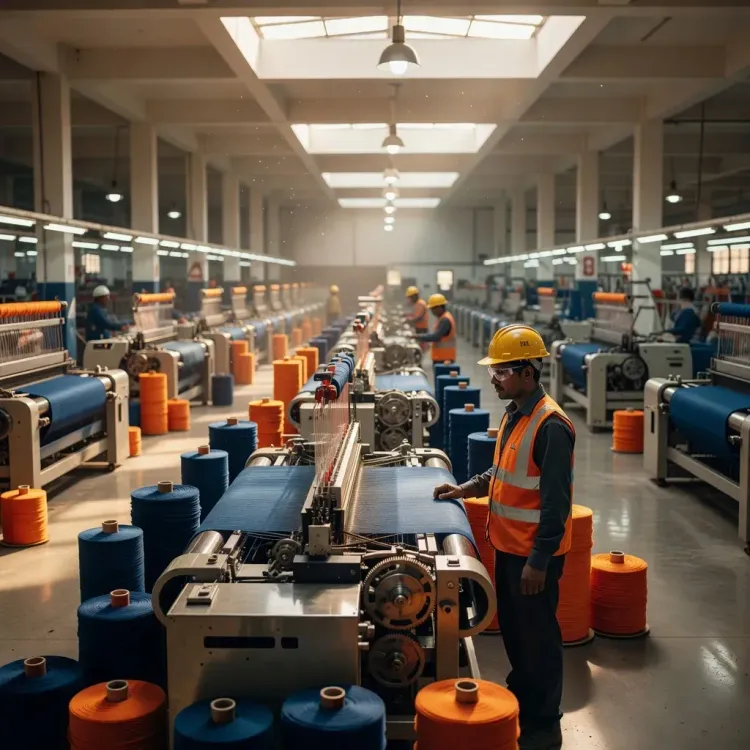
The PM MITRA scheme — Mega Integrated Textile Region and Apparel parks — was approved in 2021 to create seven large-scale, plug-and-play textile clusters designed to compress the entire value chain, from fibre to finished garment, under one roof. The logic is straightforward: fragmented infrastructure has long been one of India's structural disadvantages against low-cost rivals. A fully integrated park slashes logistics costs, speeds up turnaround, and makes Indian manufacturers genuinely price-competitive at scale.
The operational progress of all seven parks is being closely tracked by the industry. Their commissioning timeline is among the most watched metrics in the sector right now.
FTAs opening doors Bangladesh and Vietnam already walk through
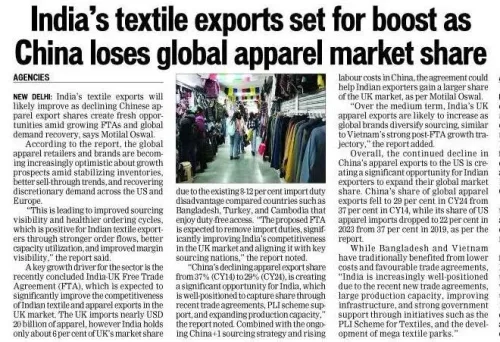
On the trade access front, India secured two landmark agreements in 2022 — the Comprehensive Economic Partnership Agreement (CEPA) with the UAE and the Economic Cooperation and Trade Agreement (ECTA) with Australia. Both carry preferential tariff provisions covering textiles and apparel, giving Indian exporters a cost edge in two significant markets. FTA negotiations with the EU and the UK — two of the world's largest apparel import markets — remain in progress, and their textile chapters will be pivotal for the sector's next leap.
The competitive pressure is real. Bangladesh has long held preferential EU access through LDC provisions. Vietnam benefits from both the EU-Vietnam FTA and the CPTPP. India's strategic bet is that a combination of FTA market access plus world-class infrastructure through PM MITRA can tip the scales in its favour.
Skilling and technology: the third leg of the stool
Singh's post specifically names skill development and modern technology adoption alongside trade policy — a signal that the Ministry sees competitiveness as a three-part equation. Raw market access means little without a trained workforce and upgraded production technology. Successive budgets have channelled funds toward textile cluster modernisation and worker upskilling as part of the broader Atmanirbhar Bharat manufacturing agenda, which targets higher value-added exports rather than just volume.
The minister's endorsement of Dr. Bhandari's analysis — rather than a government press release — suggests a deliberate framing: independent economic validation of a policy direction the Ministry is committed to accelerating. Whether the PM MITRA parks deliver on their infrastructure promise in time to capture the next wave of global sourcing shifts is the question every textile exporter in Surat, Tiruppur, and Ludhiana is watching.
Point of View
He lends third-party credibility to a policy agenda that still has significant execution risk, especially around PM MITRA park timelines. The explicit mention of FTAs alongside domestic infrastructure signals the Ministry is presenting a two-front strategy: market access abroad, competitive clusters at home. This framing also positions the textile sector within the broader Atmanirbhar Bharat narrative ahead of what could be a critical phase in EU and UK FTA negotiations. The stakes are high: India's window to capture supply-chain diversification away from China is finite, and Bangladesh's LDC graduation in coming years could reset the competitive calculus in India's favour — if the infrastructure is ready.
NationPress
13 Oct 2026
Frequently Asked Questions
What is PM MITRA park scheme in India?
PM MITRA stands for Mega Integrated Textile Region and Apparel. Approved in 2021, it is a government scheme to develop seven large integrated textile parks across India with plug-and-play facilities covering the entire value chain from fibre to finished garment.
What did Giriraj Singh say about India's textile industry?
On October 13, 2026, Union Textiles Minister Giriraj Singh shared an article by Dr. Jayantilal Bhandari, endorsing its view that FTAs, growing exports and PM MITRA parks are strengthening India's global textile standing, and called for continued focus on technology and skill development.
How do FTAs help India's textile exports?
Free trade agreements like the India-UAE CEPA and India-Australia ECTA (both signed in 2022) reduce or eliminate import tariffs on Indian textiles and apparel in partner countries, giving Indian exporters a price advantage over competitors from countries without such agreements.
Which countries is India competing with in global textile trade?
India's primary competitors in global textile and apparel export markets are Bangladesh and Vietnam, both of which currently hold preferential trade access to major markets like the EU. India's PM MITRA parks and FTA push are designed to close this competitive gap.
What is the status of India's textile FTA talks with the EU and UK?
As of late 2026, India's free trade agreement negotiations with the European Union and the United Kingdom are ongoing. The textile chapters of both agreements are closely watched by Indian exporters, as they could open major new preferential-access markets.