Bangladesh care economy worth 18.9% of GDP runs on child labour, report warns
Synopsis
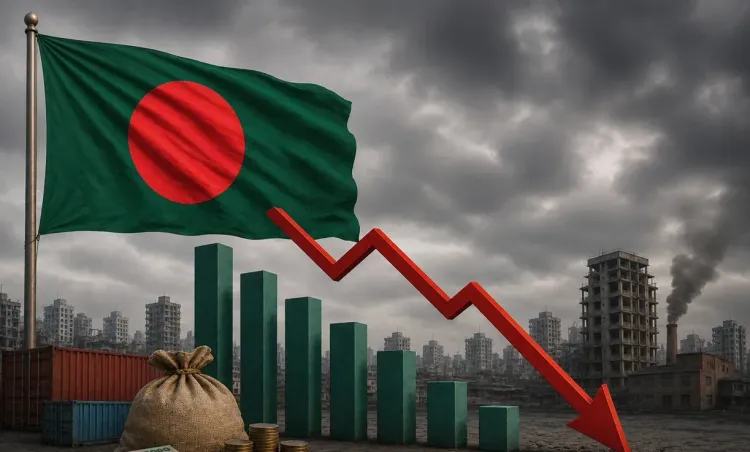
Bangladesh's care economy is worth nearly a fifth of GDP — yet it runs largely on the labour of children from rural families, with 9.2% of kids aged 5–17 in work. A new report lays out why an old social contract collapsed and what formalisation would take to fix it.
Key Takeaways
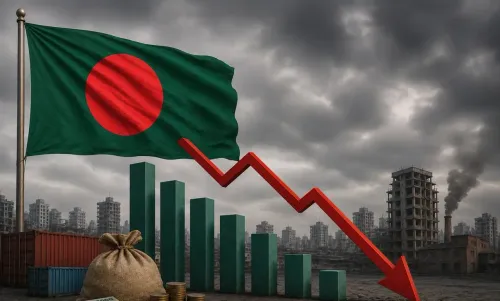
Bangladesh's care economy is valued at nearly 18.9 per cent of GDP but remains largely unregulated and invisible to policymakers.
An estimated 9.2 per cent of children aged 5 to 17 are engaged in work, according to Bangladesh Bureau of Statistics and UNICEF data.
Child domestic labour is rising as urban households seek cheaper, less demanding help — increasingly sourced from impoverished rural families.
A generation-old social contract — poorer relatives housed in exchange for domestic help — has broken down, driving demand for underage paid workers.
The report calls for converting the Domestic Workers Protection and Welfare Policy into enforceable law with inspections and meaningful penalties.
Formalising the sector with adult workers on standardised minimum wages is identified as the core policy solution.
Bangladesh's care economy, valued at nearly 18.9 per cent of GDP, remains one of the country's largest untapped economic opportunities — yet it is being propped up by child labour rather than a formalised, rights-based workforce, according to a new report. The findings raise urgent questions about how a sector this large has remained almost entirely invisible to regulators and policymakers.
Scale of Child Labour in the Sector
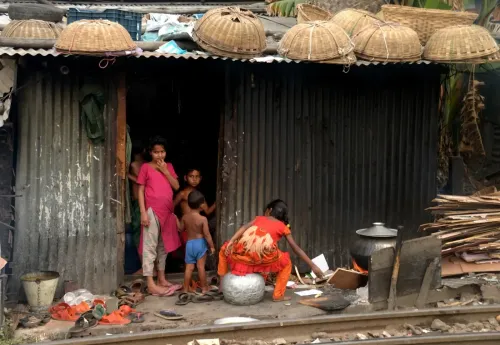
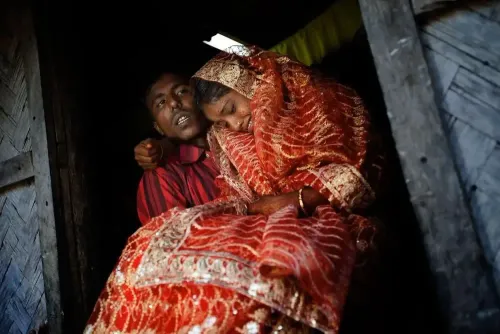
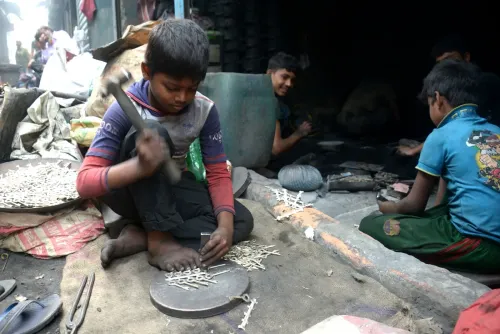
According to figures from the Bangladesh Bureau of Statistics and UNICEF, an estimated 9.2 per cent of children aged five to seventeen are engaged in work. The report, published by Dhaka-based outlet The Business Standard, flags that child domestic labour is on the rise as urban households increasingly turn to the most economically vulnerable pool available: children from impoverished rural families.
This comes amid a broader breakdown of an older social arrangement. A generation ago, it was common for a poorer relative to live with a Bangladeshi family under an implicit social contract — food, shelter, and often education in exchange for help around the house. That contract, the report notes, has 'quietly dissolved.' As urban life has grown busier and more transactional, families have become less willing to shoulder the long-term responsibilities that came with hosting a relative.
Why Households Are Turning to Underage Workers
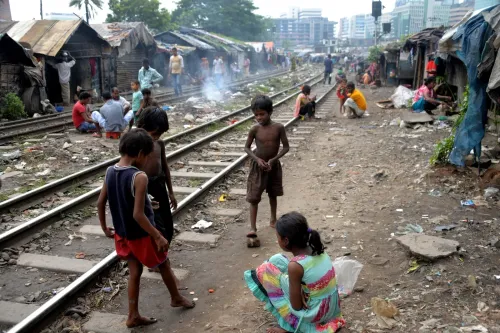
The shift is driven by demand for labour that is faster, cheaper, and less assertive about its own rights. 'So, when they need help, they increasingly turn to the most vulnerable labour pool available: children from impoverished rural families,' the report states. The care economy — encompassing domestic work, childcare, elder care, and household services — remains largely unregulated, with no standardised wages and no meaningful enforcement against employers or agencies that hire underage workers.
What the Report Recommends
The report calls for a multi-pronged policy response. Central to its recommendations is the formalisation of the care economy, staffed by adult workers paid fair, standardised minimum wages. It also urges that the Domestic Workers Protection and Welfare Policy be converted into enforceable law — with inspections, meaningful penalties, and effective enforcement mechanisms against employers and placement agencies that engage underage workers.
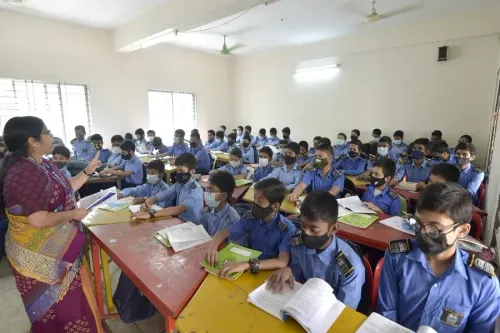
'Supporting struggling families means helping parents earn enough to keep their children in school, not shifting the burden of survival onto a 10-year-old,' the report states.
The Broader Stakes
At 18.9 per cent of GDP, the care economy is not a marginal sector — it is a structural pillar of Bangladesh's domestic economy that has simply never been counted or governed as one. Notably, the invisibility of this sector means its workforce has no legal protections, no grievance mechanisms, and no path to decent work. Formalisation, advocates argue, would not only protect children but also unlock significant productivity gains and expand the formal tax base. How Bangladesh's government responds to these findings will determine whether the sector's growth continues to be built on exploitation or transitions to a sustainable, rights-respecting model.
Point of View
Sustained by the invisibility of domestic work and the expendability of rural children. The collapse of the informal kinship-care model was predictable; what replaced it was not regulated but simply cheaper. The Domestic Workers Protection and Welfare Policy has existed in draft form long enough for its non-conversion into law to be a statement in itself. Bangladesh's development narrative centres on garment-sector formalisation as a model; the care economy has received no comparable political will. Until child domestic labour carries a credible legal cost for employers and agencies, the recommendations in this report will remain aspirational.
NationPress
25 Oct 2026
Frequently Asked Questions
What is Bangladesh's care economy and why does it matter?
Bangladesh's care economy encompasses domestic work, childcare, elder care, and household services, and is estimated at nearly 18.9 per cent of GDP — making it one of the country's largest economic sectors. Despite its scale, it remains almost entirely unregulated, leaving its workforce without legal protections or standardised wages.
How widespread is child labour in Bangladesh's domestic work sector?
According to Bangladesh Bureau of Statistics and UNICEF data cited in the report, approximately 9.2 per cent of children aged five to seventeen are engaged in work. The report notes that child domestic labour is rising as urban households increasingly rely on children from impoverished rural families.
Why has child domestic labour increased in Bangladesh?
The report links the rise to the breakdown of an older social arrangement where poorer relatives lived with families under an implicit contract of shelter and education in exchange for domestic help. As urban life became more transactional, households shifted toward paid child labour, which is cheaper and less likely to assert rights.
What policy changes does the report recommend?
The report recommends formalising the care economy with adult workers on fair, standardised minimum wages, and converting the Domestic Workers Protection and Welfare Policy into enforceable law with inspections and meaningful penalties for employers and agencies that hire underage workers.
Who published the report on Bangladesh's care economy and child labour?
The findings were published by The Business Standard, a Dhaka-based outlet. The report draws on data from the Bangladesh Bureau of Statistics and UNICEF to quantify the scale of child labour in the domestic and care sector.