Child labour in Bangladesh surges 35% since 2019, abuse cases mount
Synopsis
Bangladesh's child labour rate has jumped from 6.8% to 9.2% in just six years — adding 1.2 million children to the workforce despite formal government pledges to end the practice. With nearly half of Dhaka's child domestic workers facing abuse and monitoring virtually absent in the informal sector, advocates say the crisis is deepening faster than any policy response.
Key Takeaways
Bangladesh's child labour rate rose from 6.8% in 2019 to 9.2% in 2025, adding nearly 1.2 million children to the workforce, per MICS 2025 .
Government helpline 1098 received 101 abuse-related calls from January to 10 June ; emergency line 999 logged 33 workplace abuse complaints through May .
Nearly 50% of child domestic workers in Dhaka face abuse, and 31.45% are subjected to excessive workloads, according to an ASD survey.
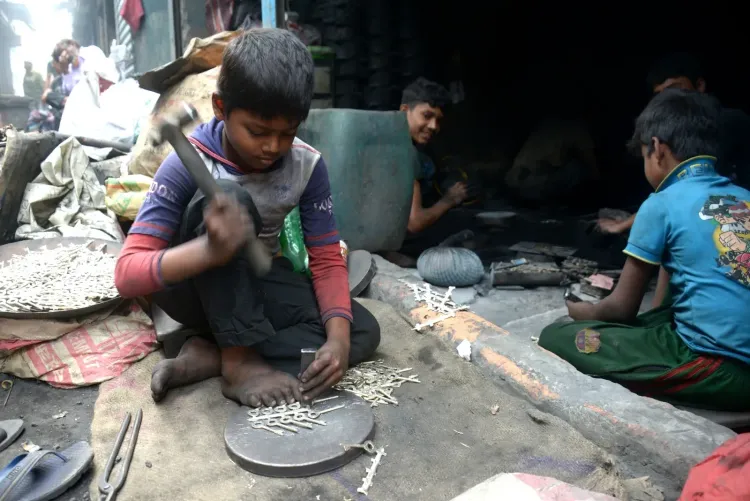
Children work in hotels, restaurants, transportation, brick kilns and informal sectors under conditions of physical abuse, humiliation and wage denial, according to Laila Khandaker of Shishurai Sab .
Advocates warn that near-total absence of monitoring in the informal sector leaves child workers without legal recourse.
Child labour in Bangladesh has risen sharply, with nearly 1.2 million additional children entering the workforce since 2019, according to the Multiple Indicator Cluster Survey (MICS) 2025. Official helpline data further reveals that the government-run child support service 1098 received 101 abuse-related calls between January and 10 June, while emergency helpline 999 recorded 33 complaints of workplace child abuse through May — figures that child rights advocates say represent only a fraction of actual incidents.
Scale of the Crisis
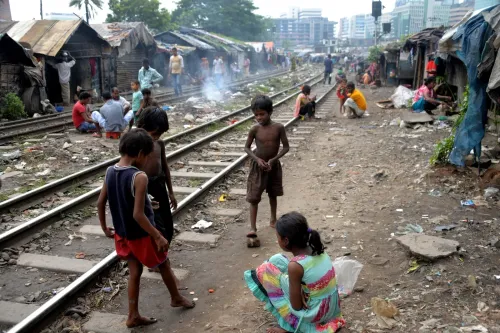
The MICS 2025 survey found that 9.2 per cent of children aged 5 to 17 years are currently engaged in child labour in Bangladesh — up from 6.8 per cent in 2019, a rise of more than a third in six years. The increase coincided with World Day Against Child Labour observed on 12 June, drawing attention to the widening gap between government commitments and ground realities. Economic hardship is widely cited as the primary driver, with poverty forcing children out of classrooms and into the workforce.
Abuse Inside Homes and Informal Sectors
A survey titled 'Situation of Child Domestic Workers in Dhaka City', conducted by Dhaka-based non-profit Action for Social Development (ASD), found that nearly 50 per cent of children engaged in domestic work in the capital face various forms of abuse, while 31.45 per cent are subjected to excessive workloads. The findings were reported by Bangladesh's leading Bengali daily, The Daily Ittefaq.
Laila Khandaker, convener of child rights organisation Shishurai Sab, said children employed in hotels, restaurants, transportation, brick kilns and informal sectors endure long working hours, physical abuse, humiliation, unhygienic conditions, low wages and, in many cases, non-payment of wages altogether. She noted that demand for child labour persists because children are perceived as easier to control and less likely to resist exploitation.
'We do not have much scope for monitoring in the institutional field. And children do most of the work in the informal sector. So they are victims of abuse in the workplace, and there is no remedy for it,' The Daily Ittefaq quoted her as saying.
Voices From the Ground
Zakia Sultana, president of the Domestic Workers National Forum Bangladesh, said she herself began working as a domestic worker at the age of eight and endured multiple forms of abuse. She said that decades later, the situation has changed little — children as young as eight from impoverished families continue to face comparable exploitation in private households.
'We know that these incidents have been in the media and have been discussed. But even though we know that domestic worker children are constantly subjected to various types of abuse, including sexual harassment, when they come to work, we cannot stop them,' Sultana said.
Structural Gaps and What Comes Next
Child rights advocates argue that the absence of effective monitoring in the informal sector — which employs the vast majority of working children — leaves victims without legal recourse. Bangladesh has made formal commitments to eliminate child labour, but the MICS 2025 data suggests those commitments have not translated into measurable progress. This comes amid broader concerns about economic instability pushing vulnerable households to rely on children's earnings to survive. Without stronger enforcement mechanisms and social safety nets, experts warn the numbers are unlikely to reverse.
Point of View
Yet the rate has climbed by more than a third in six years. The helpline data — 134 complaints across two official channels in just a few months — almost certainly undercounts reality, given that most abuse occurs in private homes and unregulated worksites where children have no means to report. The structural problem is not just poverty; it is the deliberate preference for child workers precisely because they cannot protest. Until Bangladesh builds enforceable monitoring into the informal economy and pairs it with cash-transfer programmes that make school attendance financially viable for poor families, pledges made on World Day Against Child Labour will remain performative.
NationPress
20 Oct 2026
Frequently Asked Questions
How much has child labour increased in Bangladesh since 2019?
According to the Multiple Indicator Cluster Survey (MICS) 2025, child labour in Bangladesh rose from 6.8% in 2019 to 9.2% of children aged 5 to 17 by 2025 — an increase that translates to nearly 1.2 million additional children entering the workforce over six years.
What kinds of abuse do child workers face in Bangladesh?
Child workers in Bangladesh reportedly face physical abuse, humiliation, unhygienic conditions, excessively long working hours, low wages and, in many cases, non-payment of wages. Those in domestic work also face sexual harassment, according to advocates cited in local media reports.
Why does child labour remain high in Bangladesh despite government commitments?
Advocates say economic hardship is forcing families to pull children out of school and send them to work. The near-total absence of monitoring in the informal sector — where most child labour occurs — means abuse goes largely unreported and unpunished, perpetuating demand for child workers.
Who are the most vulnerable child workers in Bangladesh?
Children from impoverished families working as domestic helpers in private households are among the most vulnerable, with nearly 50% facing abuse according to an ASD survey. Children in hotels, restaurants, brick kilns and transportation are also at high risk, as these sectors operate largely outside regulatory oversight.
What do the official helpline figures reveal about child abuse in Bangladesh?
Government helpline 1098 received 101 abuse-related calls between January and 10 June, while emergency helpline 999 logged 33 workplace child abuse complaints through May. Child rights advocates note these figures likely represent a small fraction of actual incidents, given the barriers to reporting in informal and domestic settings.