Bangladesh child labour rises to 9.2%, 1.2 million more kids since 2019
Synopsis
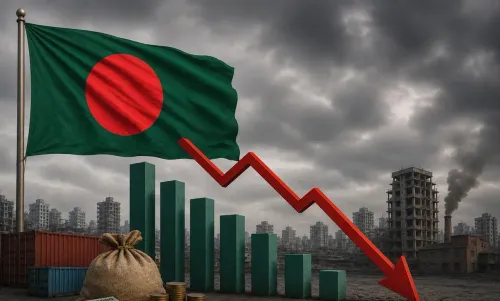
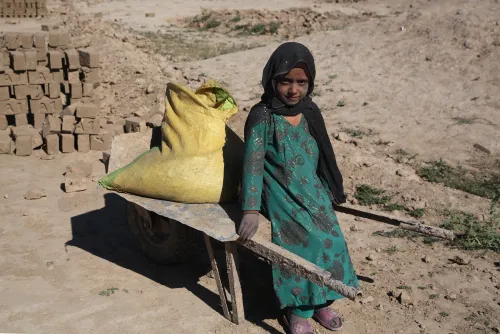
Bangladesh's child labour rate has jumped from 6.8% to 9.2% in just six years, pulling nearly 1.2 million more children into the workforce — a damning finding released on the very day the world marks the fight against child labour. With boys, young children, and out-of-school kids bearing the heaviest burden, the data exposes how poverty and educational exclusion are eroding child welfare gains.
Key Takeaways
Child labour in Bangladesh rose from 6.8% in 2019 to 9.2% in 2025, affecting children aged 5 to 17 years .
Nearly 1.2 million additional children entered the workforce over the past six years , per MICS 2025 .
Out-of-school children are four times more likely to be engaged in labour than those in school.
Rajshahi recorded the highest regional rate at 12.4% ; Rangpur followed at 11.8% .
UNICEF separately raised alarm over surging violence against children in Bangladesh in 2026 , calling for an end to impunity.
Child Helpline 1098 is available for children in Bangladesh needing protection and referral services.
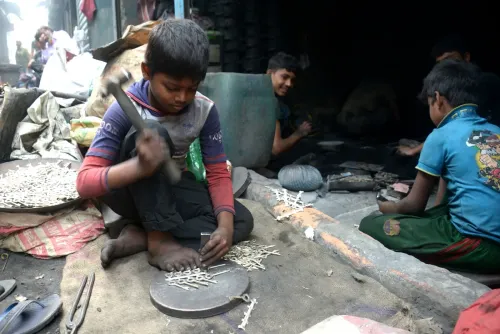
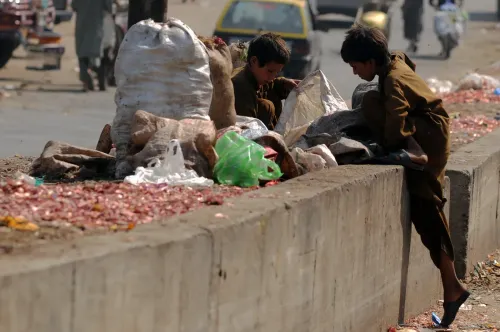
Child labour in Bangladesh has surged sharply over the past six years, with nearly 1.2 million additional children entering the workforce since 2019, according to the Multiple Indicator Cluster Survey (MICS) 2025. The findings, reported on 12 June — the World Day Against Child Labour — show that 9.2 per cent of children aged 5 to 17 years are now engaged in child labour, up from 6.8 per cent in 2019.
Key Findings from MICS 2025
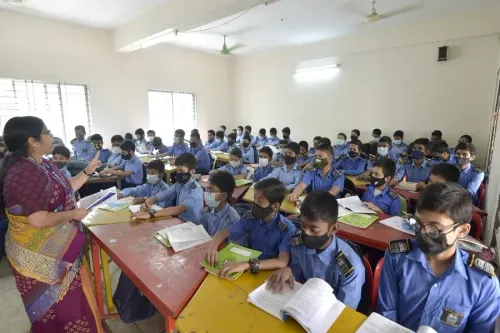
The survey, cited by the Dhaka Tribune, points to deepening economic hardship as the primary driver pushing children out of classrooms and into jobs. Out-of-school children in Bangladesh are reportedly four times more likely to be involved in labour than those attending school, underscoring the tight link between poverty, educational exclusion, and child employment.
Boys have been disproportionately affected: approximately 11 per cent of male children are engaged in labour, compared to 7 per cent of girls. Even younger children are not spared — 8 per cent of children aged 5 to 11 years and 14 per cent of those aged 12 to 14 years are reportedly involved in labour.
Worst-Affected Regions
Regionally, Rajshahi recorded the highest child labour rate at 12.4 per cent, followed by Rangpur at 11.8 per cent, Mymensingh at 10.1 per cent, and Khulna at 9.8 per cent, according to the Dhaka Tribune. Child labour figures in Barisal, Sylhet, Chittagong, and Dhaka remained below the national average.
UNICEF Raises Alarm on Violence Against Children
The child labour data emerges alongside a separate and grave warning from the United Nations International Children's Emergency Fund (UNICEF). Last month, UNICEF expressed deep concern over a surge in brutal violence against children across Bangladesh, including the rape and killing of girls and boys in settings meant to protect them.
Rana Flowers, UNICEF Representative in Bangladesh, said the growing number of reports of brutal and sexual violence against women and children in 2026 made it urgent to strengthen child and gender-based violence (GBV) prevention measures nationwide.
'The culture of impunity enjoyed by perpetrators must end, and the gaps in prevention, reporting, institutional safeguarding, child-friendly police and justice, community protection and social services must be addressed. There is also a need for psychosocial support for the women and children, with far stronger accountability of schools, madrasas, workplaces, neighbourhoods and care settings,' Flowers said in an official statement.
UNICEF's Appeal and Child Helpline
Flowers also cautioned against the circulation of images or identifying details of victims, warning that sharing such content amounts to further abuse. 'All who share and reshare are adding to the trauma of survivors, the trauma of families, and the disrespect of the victim,' she said.
UNICEF urged communities, media outlets, and social media users to report violence and exploitation through available protection channels, including Child Helpline 1098, which provides support and referral services for children in need. The agency called for stronger protection systems and an end to impunity for perpetrators.
Together, the MICS 2025 data and UNICEF's warnings paint a troubling picture of child welfare in Bangladesh — one that advocates say demands urgent legislative and social intervention.
Point of View
Released on World Day Against Child Labour, against a backdrop of Dhaka's formal commitments to eradicate the practice. The four-times higher labour risk for out-of-school children also signals a compounding crisis: every child who drops out is statistically far more likely to remain in the labour force permanently. Bangladesh cannot address child labour without simultaneously addressing school retention — and neither goal is achievable while economic distress deepens.
NationPress
25 Sept 2026
Frequently Asked Questions
How much has child labour increased in Bangladesh?
Child labour in Bangladesh rose from 6.8% in 2019 to 9.2% in 2025, meaning nearly 1.2 million additional children entered the workforce over six years, according to the Multiple Indicator Cluster Survey (MICS) 2025. The increase was reported on 12 June 2025, coinciding with World Day Against Child Labour.
Which regions in Bangladesh have the highest child labour rates?
Rajshahi recorded the highest child labour rate at 12.4%, followed by Rangpur at 11.8%, Mymensingh at 10.1%, and Khulna at 9.8%, according to the Dhaka Tribune. Child labour in Barisal, Sylhet, Chittagong, and Dhaka remained below the national average of 9.2%.
Are boys more affected by child labour in Bangladesh than girls?
Yes. Approximately 11% of male children in Bangladesh are engaged in child labour, compared to 7% of girls, according to MICS 2025. Even children as young as 5 to 11 years old are affected, with 8% of that age group reported to be involved in labour.
What has UNICEF said about children's safety in Bangladesh?
UNICEF has expressed grave concern over a surge in brutal violence — including rape and killing — against children in Bangladesh in 2026. UNICEF Representative Rana Flowers called for stronger child protection systems, an end to impunity for perpetrators, and urged people to report abuse via Child Helpline 1098.
Why is child labour rising in Bangladesh despite government commitments?
According to the MICS 2025 survey, economic hardship is the primary driver, forcing families to pull children out of school and into the workforce. Out-of-school children are four times more likely to be engaged in labour, highlighting the intersection of poverty and educational exclusion as key factors.