CAIT national meet on Nov 13 to seek designated protest zones, push GST reforms

Synopsis
India's largest trader body, CAIT, is convening a national conclave on 13 November to do something rarely attempted at scale: push for designated protest-free commercial zones. With business losses from Delhi agitations still fresh, the meeting could trigger a formal petition to governments and courts to redraw the boundaries between democratic dissent and commercial survival.
Key Takeaways
CAIT will hold a national traders' meeting in New Delhi on 13 November 2026 .
The conclave will push for designated protest locations on city outskirts to prevent disruptions to commercial areas.
GST simplification , cyber fraud protection, the 'One Trader-One Licence' initiative, and repeal of outdated laws are key agenda items.
CAIT Secretary General Praveen Khandelwal cited disruptions to supply chains, employment and cash flows — especially during the festive and wedding seasons.
CAIT plans to present a comprehensive action plan to the government and judiciary based on the meeting's recommendations.
The Confederation of All India Traders (CAIT) will convene a national meeting of senior trade leaders in New Delhi on 13 November 2026 to deliberate on shielding businesses from disruptions caused by protests and agitations, and to chart a coordinated national strategy for safeguarding traders' livelihoods. The conclave will bring together senior representatives of major trade organisations from across states.
Key Issues on the Agenda
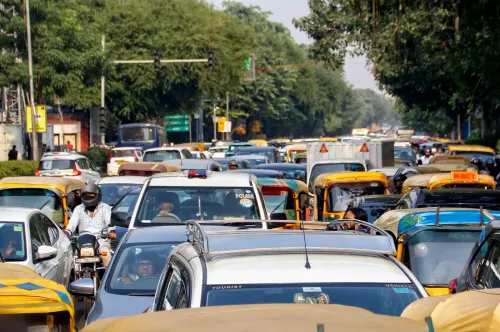
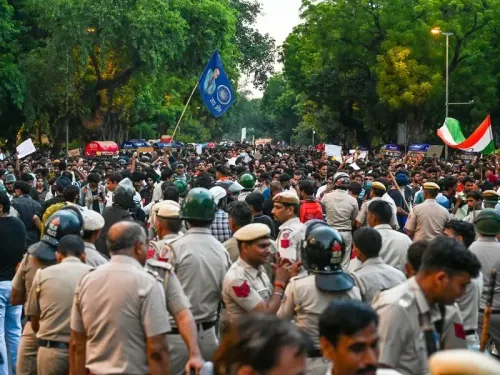
CAIT Secretary General and Chandni Chowk MP Praveen Khandelwal said the meeting would assess business losses inflicted by political agitations, sit-ins and demonstrations in Delhi over the past month. He noted that such disruptions affect not just shop sales but also supply chains, movement of goods, employment, cash flows of small businesses and the broader economy — particularly during crucial festive and wedding seasons.
Among the headline proposals is a demand for designated protest locations on the outskirts of cities or at other appropriate venues, allowing citizens to exercise their democratic right to protest without disrupting commercial centres, markets, transport routes and essential business activities. The proposal will be pursued with governments and the judiciary through a coordinated national strategy, according to CAIT.
GST Reforms and Regulatory Overhaul
CAIT National President B.C. Bhartia said the deliberations would also target reforms aimed at making the trading sector simpler, safer and more competitive. GST simplification — covering return filing, compliance procedures, resolution of technical glitches and reduction of unnecessary notices and litigation — features prominently on the agenda.
Trade leaders will additionally examine outdated laws, rules and procedures that impose avoidable compliance burdens on businesses, and formulate recommendations for their repeal or amendment. The agenda also includes improving coordination among government departments, expanding online permissions and single-window clearances, and reducing unnecessary inspections.
Cyber Fraud Protection and Digital Commerce
The meeting will deliberate on measures to protect traders from cyber fraud involving digital payments, UPI, banking transactions and online commerce, along with demands for speedier grievance redressal and concerns over bank accounts being arbitrarily frozen.
Opportunities in e-commerce, the Bharat e-Mart platform, promotion of Swadeshi products, strengthening of MSMEs, export expansion and adoption of modern technology will also be explored.
What Comes Next
CAIT said it would present a comprehensive action plan to the government and relevant institutions based on the recommendations emerging from the meeting. The confederation has also flagged the 'One Trader-One Licence' initiative as a priority agenda item. The outcome of the 13 November meeting is expected to shape CAIT's lobbying roadmap for the coming legislative session.
Point of View
A question courts have historically been reluctant to settle in traders' favour. The GST and cyber-fraud items on the agenda are substantive and overdue, but they risk being overshadowed by the protest-zone proposal, which opposition groups will almost certainly frame as an attempt by a BJP-linked trade body to limit political demonstrations ahead of state elections. Whether CAIT can separate its credible regulatory reform agenda from its more contentious civic demands will determine how seriously governments engage with its action plan.
NationPress
9 Nov 2026
Frequently Asked Questions
What is the CAIT national meeting on 13 November about?
CAIT is convening senior trade leaders from across India in New Delhi on 13 November to address business disruptions caused by protests and agitations, and to push for GST reforms, cyber fraud protection, and a 'One Trader-One Licence' policy. The meeting will also formulate a coordinated national strategy to present to governments and the judiciary.
What is CAIT's proposal on protest locations?
CAIT wants governments to designate suitable locations on the outskirts of cities for protests and demonstrations, so that commercial centres, markets and transport routes are not disrupted. The proposal will be taken up across states and pursued through formal petitions to governments and courts.
Why is CAIT focused on GST reforms at this meeting?
CAIT has flagged the need to simplify GST return filing, ease compliance requirements, resolve technical difficulties on the portal, and reduce unnecessary notices and litigation — issues that traders say impose disproportionate burdens on small businesses and MSMEs.
Who are the key CAIT leaders driving this initiative?
CAIT Secretary General and Chandni Chowk MP Praveen Khandelwal and CAIT National President B.C. Bhartia are leading the initiative. Khandelwal highlighted the economic damage from recent Delhi agitations, while Bhartia focused on the regulatory reform agenda.
What outcome is expected from the 13 November meeting?
CAIT plans to release a comprehensive action plan to be submitted to the government and relevant institutions. The plan is expected to cover protest-zone designation, GST simplification, cyber fraud safeguards, repeal of outdated laws, and opportunities in digital and e-commerce for traders.