CCHFW 16th Conference: NHM, food and drug reforms on agenda Monday

Synopsis
India's apex health advisory body convenes for the first time this year on 30 June, with the National Health Mission, drug import shelf-life norms, and allied health services all on the table. A quietly significant proposal — replacing the 60% residual shelf-life rule for imported drugs with a flat 12-month minimum — could reshape medicine availability across the country.
Key Takeaways
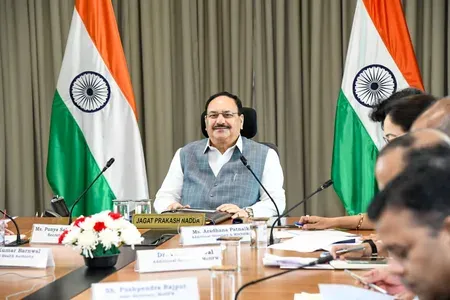
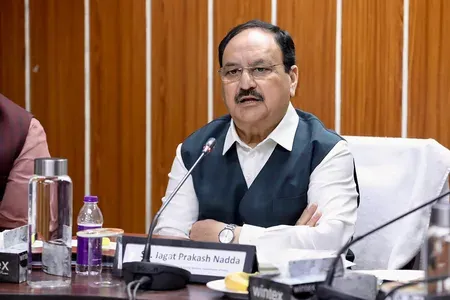
The 16th CCHFW Conference will be held in New Delhi on 30 June 2025 , chaired by Union Health Minister J.P.
Thematic sessions will cover the National Health Mission (NHM) , SDG-linked health priorities, food and drug reforms, and allied health services.
The CCHFW is constituted under Article 263 of the Constitution and serves as the apex advisory body of the MoHFW .
The MoHFW has proposed replacing the existing 60% residual shelf-life rule for imported drugs with a minimum of 12 months remaining at the time of import.
States and union territories will share best practices and contribute to a national health roadmap at the conference.
The Ministry of Health and Family Welfare (MoHFW) will convene the 16th Conference of the Central Council of Health and Family Welfare (CCHFW) in New Delhi on Monday, 30 June 2025, to deliberate on critical health policy priorities including the National Health Mission (NHM), food and drug reforms, and allied health services, according to an official ministry statement issued on Saturday, 27 June 2025. The high-level gathering brings together the Centre and all states and union territories under a single institutional platform for the first time this year.
Who Will Chair the Conference
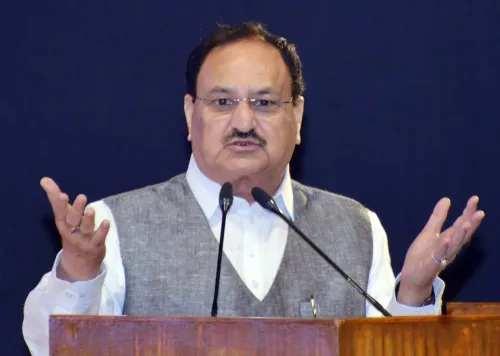
Union Health and Family Welfare Minister J.P. Nadda will chair the conference, flanked by Ministers of State for Health and Family Welfare Anupriya Patel and Prataprao Jadhav. The ministerial presence underscores the Centre's intent to drive a coordinated national health agenda rather than leaving reform timelines to individual states.
Key Thematic Sessions
This year's conference will be structured around three thematic areas: the National Health Mission and its alignment with Sustainable Development Goal (SDG)-linked priorities; food and drug regulatory reforms; and the strengthening of allied health services. States and union territories will also be given a platform to present best practices and contribute to a coordinated national roadmap for improving health outcomes.
What the CCHFW Is and Why It Matters
Constituted under Article 263 of the Constitution, the CCHFW is the apex advisory body of the MoHFW. It reviews the implementation of policies and programmes related to medical and public health, and recommends measures for their effective rollout in partnership with states and union territories. The ministry described the conference as 'an important institutional mechanism for promoting cooperative federalism in the health sector.'
Proposed Drug Import Shelf-Life Reform
Separately, the MoHFW on Friday, 27 June 2025 proposed a significant easing of the residual shelf-life requirement for imported drugs. Under the proposed revision, the existing norm — which mandates that more than 60 per cent of a drug's shelf life must remain at the time of import — would be replaced with a flat minimum of 12 months remaining shelf life at the point of entry. If adopted, the change could widen the availability of specialised and rare imported medicines in India, particularly those with shorter overall shelf lives. The proposal is expected to be among the drug reform measures discussed at the conference.
What Comes Next
The conference is expected to produce a coordinated policy roadmap that state health departments will be asked to align with. Outcomes from the NHM review and drug reform discussions are likely to inform budgetary and regulatory decisions in the months ahead. Observers will watch for any firm timelines on the shelf-life norm revision and for clarity on how SDG health targets will be tracked at the state level.
Point of View
As released, is long on themes and short on measurable commitments. The drug import shelf-life proposal is the most concrete reform signal in the package: replacing a percentage-based residual norm with a flat 12-month rule is a pragmatic fix that could ease access to specialised medicines, but its real-world impact depends entirely on enforcement at ports of entry, an area where past regulatory intent has often outpaced implementation. The broader question the conference must answer is whether centre-state health cooperation produces binding roadmaps or merely well-intentioned resolutions — the CCHFW's track record on follow-through is mixed.
NationPress
25 Sept 2026
Frequently Asked Questions
What is the 16th CCHFW Conference and when is it being held?
The 16th Conference of the Central Council of Health and Family Welfare (CCHFW) is a high-level national health policy meeting scheduled for 30 June 2025 in New Delhi. It will be chaired by Union Health Minister J.P. Nadda and will bring together representatives from all states and union territories.
What topics will be discussed at the CCHFW conference?
The conference will focus on three main thematic areas: the National Health Mission and SDG-linked health priorities, food and drug regulatory reforms, and allied health services. States will also share best practices and deliberate on a coordinated national health roadmap.
What is the CCHFW and what is its role?
The Central Council of Health and Family Welfare is the apex advisory body of the Ministry of Health and Family Welfare, constituted under Article 263 of the Constitution. It reviews health policy implementation and recommends measures for effective rollout in partnership with states and union territories.
What is the proposed change to imported drug shelf-life rules?
The MoHFW has proposed replacing the existing requirement that more than 60% of a drug's shelf life must remain at the time of import with a flat minimum of 12 months remaining shelf life. The change is aimed at easing the availability of specialised and imported medicines in India.
Why does the CCHFW conference matter for states?
The conference is the primary institutional platform for centre-state dialogue on national health priorities. Outcomes typically inform state-level budgetary and regulatory decisions, and this year's discussions on NHM and drug reforms are expected to shape policy direction for the months ahead.