Schedule H, H1, X drug rules tightened: CCTV at medical stores proposed
Synopsis
India's Health Ministry has proposed mandatory CCTV cameras at medical stores and tighter Drugs Rules to stop over-the-counter sales of Schedule H, H1, and X prescription drugs — a first-of-its-kind surveillance push for Indian pharmacy retail that follows last month's ban on certain cold-medicine combinations for children under four.
Key Takeaways
The Health Ministry has proposed amendments to Drugs Rules, 1945 via a draft gazette notification dated 8 September .
The amendments target tighter oversight of Schedule H , H1 , and X drugs — prescription-only controlled medicines.
Mandatory CCTV surveillance at medical stores has been recommended as a first-of-its-kind pharmacy retail safeguard in India.
The proposal was cleared by the Drugs Technical Advisory Board (DTAB) after deliberation by the Drugs Consultative Committee (DCC) .
Public and stakeholder objections are currently being invited before the amendment is finalised.
Last month, the government restricted FDC cold medicines containing Chlorpheniramine Maleate and Phenylephrine Hydrochloride for children below four years of age .
The Union Health Ministry on Thursday, 17 September 2026, announced proposed amendments to the Drugs Rules, 1945, aimed at tightening regulatory oversight over Schedule H, H1, and X drugs — the most closely controlled prescription medicines in India — and has recommended mandatory CCTV surveillance at medical stores as an additional layer of public health safeguard. The draft gazette notification, dated 8 September, is open for public comment.
What the Proposed Amendments Cover
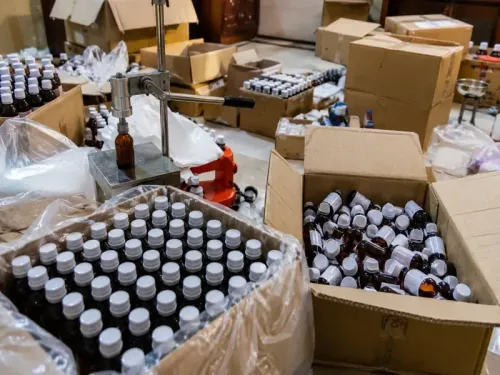
The draft amendments seek to directly address concerns over unauthorised access to and sale of Schedule H, H1, and X drugs — a category that includes habit-forming sedatives, antibiotics, and narcotic-adjacent medications requiring a valid prescription. Under the current framework, enforcement gaps have allowed dispensing without prescriptions at a significant number of retail pharmacies, according to regulatory observations cited in the proposal.
Once implemented, the changes are designed to strengthen monitoring of sale and distribution and curb over-the-counter access to these controlled substances. CCTV surveillance at medical stores, a first-of-its-kind recommendation for Indian pharmacy retail, is intended to create a verifiable audit trail at the point of sale.
What the Health Ministry Said
'The proposed CCTV surveillance mechanism will also enhance transparency and accountability across the pharmaceutical supply chain, thereby strengthening safeguards for public health,' the Health Ministry stated in its notification.
The proposal was first deliberated upon by the Drugs Consultative Committee (DCC) before being circulated among members of the Drugs Technical Advisory Board (DTAB). Following that review, the DTAB recommended its approval — a key regulatory endorsement before a gazette amendment takes effect.
Stakeholder Consultation Still Open
The Ministry has invited objections and suggestions from stakeholders and members of the public on the proposed amendment, signalling that a final rule is not yet in force. Industry bodies representing pharmacy retailers and pharmaceutical distributors are expected to weigh in on the operational implications of mandatory CCTV installation, particularly for small and rural medical stores where infrastructure costs could be a concern.
Context: A Series of Drug Safety Moves
This proposal follows a related action taken last month, when the government imposed restrictions on the manufacturing, sale, and distribution of all fixed dose combinations (FDCs) containing Chlorpheniramine Maleate and Phenylephrine Hydrochloride for children below four years of age. That notification, issued under Section 26A of the Drugs and Cosmetics Act, 1940, mandated a clearly visible warning — 'Fixed Dose Combination shall not be used in children below four years of age' — on labels, package inserts, and promotional literature, effective from the date of its publication in the Official Gazette.
Taken together, the two moves signal a more assertive posture from the Health Ministry on drug safety, particularly around vulnerable populations and prescription-only medicines. How swiftly the CCTV amendment clears the consultation process and enters implementation will be closely watched by the pharmacy retail sector and patient advocacy groups alike.
Point of View
Many in semi-urban and rural areas with inconsistent electricity supply, and the amendment is silent on who bears the installation cost or who audits the footage. The DTAB clearance lends credibility, but the public consultation phase is where implementation realism will be tested. That this follows last month's children's cold-medicine restriction suggests the Ministry is building a pattern of proactive drug safety action — the durability of that pattern depends on whether these rules gain teeth at the district drug inspector level, where enforcement has historically been the weakest link.
NationPress
17 Sept 2026
Frequently Asked Questions
What are Schedule H, H1, and X drugs in India?
Schedule H, H1, and X drugs are categories of medicines under India's Drugs Rules, 1945 that require a valid doctor's prescription for dispensing. Schedule X includes the most tightly controlled substances, such as those with dependence or abuse potential, while Schedule H and H1 cover a broad range of antibiotics, sedatives, and other potent medicines.
Why has the Health Ministry proposed CCTV cameras at medical stores?
The Ministry has proposed CCTV surveillance to enhance transparency and accountability at the point of sale and to create an audit trail that can deter and detect the unauthorised dispensing of Schedule H, H1, and X drugs without a valid prescription. The proposal aims to plug a longstanding enforcement gap in prescription drug retail.
Is the CCTV requirement at medical stores already in force?
No. As of 17 September 2026, the proposal is at the draft gazette notification stage, and the Ministry has invited public and stakeholder objections. The amendment will take effect only after the consultation process is completed and the final notification is issued.
What was the recent government action on children's cold medicines?
Last month, the government restricted all fixed dose combinations containing Chlorpheniramine Maleate and Phenylephrine Hydrochloride for children below four years of age, under Section 26A of the Drugs and Cosmetics Act, 1940. Manufacturers were directed to display a clear warning on labels, package inserts, and promotional literature.
Which bodies reviewed the Schedule drug regulation proposal before it was announced?
The proposal was first deliberated upon by the Drugs Consultative Committee (DCC) and then circulated to members of the Drugs Technical Advisory Board (DTAB). The DTAB subsequently recommended approval of the amendment.