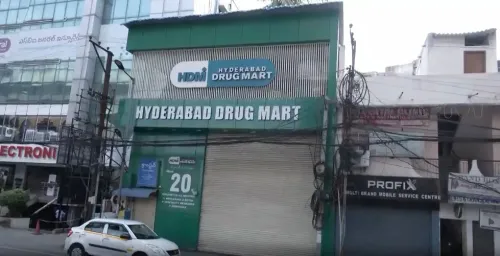
Chemists' nationwide strike today: 12.4 lakh stores shut over e-pharmacy concerns
Synopsis
More than 12.4 lakh private medical stores shut across India on 20 May as chemists demand equal regulatory scrutiny for e-pharmacies — flagging prescription fraud, cold-chain failures, and unchecked Schedule H drug sales. With a draft e-pharmacy policy stuck in limbo for years, the AIOCD strike is as much a regulatory ultimatum as a trade protest.
Key Takeaways
More than 12.4 lakh private medical stores closed across India on 20 May in a nationwide strike called by the AIOCD .
Chemists allege e-pharmacies sell medicines without proper prescription verification and in breach of cold-chain and storage norms.
Pharmacists flagged the unregulated online availability of narcotics and Schedule H drugs as a patient safety risk.
Prasanna Kumar Singh of the Bihar Chemists and Druggists Association warned that compromised cold chains can reduce drug efficacy or render medicines harmful.
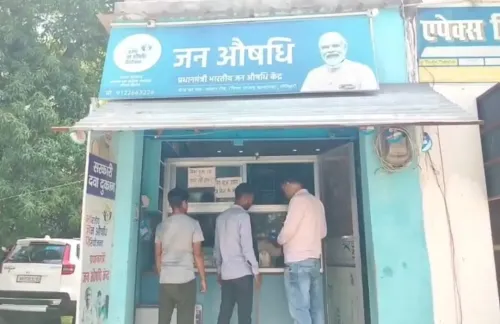
Jan Aushadhi Kendras , including those at AIIMS and Patna Medical College and Hospital , remained open to ensure essential medicine access.
A draft e-pharmacy regulatory framework has been pending with the Centre for several years without being formally notified.
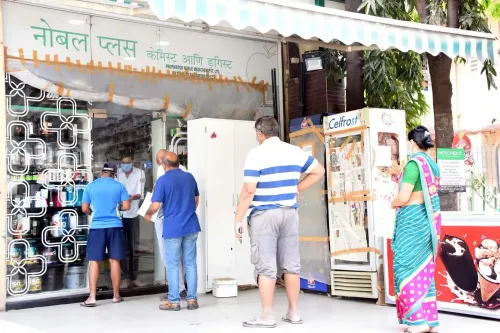
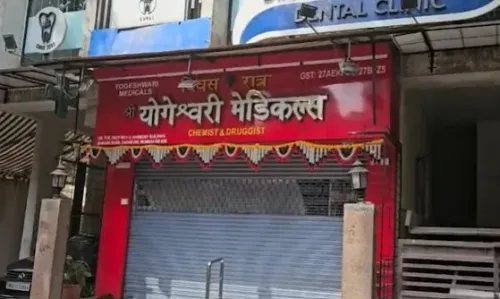
More than 12.4 lakh private medical stores across India remained closed on Wednesday, 20 May, as chemists launched a nationwide strike to protest the unregulated expansion of online pharmacies and the digital sale of medicines. The agitation, led by the All India Organisation of Chemists and Druggists (AIOCD), is one of the largest coordinated shutdowns by the pharmacy retail sector in recent years.
What Triggered the Strike
Chemists' associations allege that several e-pharmacy platforms are dispensing medicines without adequate regulatory oversight — with prescriptions often not properly verified and norms governing cold-chain storage and delivery routinely flouted. The protesting groups warn that unchecked growth of online medicine sales heightens the risk of counterfeit drugs, medication misuse, and the unauthorised dispensing of prescription-only medicines.
Pharmacists have specifically flagged the easy availability of narcotics and Schedule H drugs through digital platforms without adequate checks, which they argue is contributing to misuse and broader societal harm.
The Regulatory Disparity Argument
According to pharmacy professionals, traditional chemists operate under strict provisions of the Drugs and Cosmetics Act, which mandate prescription verification and cap the quantity of medicines that can be dispensed in a single transaction. They contend that e-pharmacies are not held to the same standards, creating an uneven playing field that also compromises patient safety.
Ravi Kumar, associated with the Bihar Chemists and Druggists Association, emphasised that uniform regulations must apply to both online and offline pharmacies. Prasanna Kumar Singh, President of the Bihar Chemists and Druggists Association, warned that many medicines require strict temperature-controlled storage — a cold chain that is often compromised when medicines are shipped via courier services. 'Such lapses can reduce the efficacy of medicines and, in some cases, make them harmful,' he said.
Jan Aushadhi Kendras to Remain Open
The Pradhan Mantri Bhartiya Janaushadhi Pariyojana (PMBJP) Kendras will continue to operate through the strike, ensuring uninterrupted access to essential medicines. The PMBJK Retailer Association announced on Tuesday that Jan Aushadhi Kendras — particularly those at major hospitals including AIIMS and Patna Medical College and Hospital — will remain functional to minimise inconvenience to patients.
What Happens Next
The strike puts fresh pressure on the Centre to finalise a long-pending regulatory framework for e-pharmacies, a draft of which has been in circulation for several years without being notified. Industry observers note that this is not the first such agitation by AIOCD — the organisation has previously threatened and staged stoppages over the same issue — suggesting that the absence of a clear policy has become untenable for brick-and-mortar pharmacy retailers. How the government responds in the coming days will determine whether the strike remains a one-day disruption or escalates further.
Point of View
But the strike also protects a brick-and-mortar business model under competitive pressure. The government's challenge is to craft rules that genuinely protect patients rather than simply insulate incumbents — and the longer it delays, the more disruptive these shutdowns will become.
NationPress
5 Oct 2026
Frequently Asked Questions
Why are chemists on strike across India today?
Chemists called a nationwide strike on 20 May 2025 to protest the unregulated sale of medicines through e-pharmacy platforms. The AIOCD, which led the agitation, alleges that online pharmacies dispense medicines without proper prescription checks and do not comply with storage and cold-chain norms under the Drugs and Cosmetics Act.
How many medical stores are affected by the chemists' strike?
More than 12.4 lakh private medical stores across India are reported to have remained closed during the strike. The shutdown is one of the largest coordinated stoppages by pharmacy retailers in recent years.
Will patients be able to access medicines during the strike?
Jan Aushadhi Kendras operating under the Pradhan Mantri Bhartiya Janaushadhi Pariyojana (PMBJP) will remain open. The PMBJK Retailer Association confirmed that outlets at major hospitals including AIIMS and Patna Medical College and Hospital will continue to function.
What specific safety concerns have chemists raised about e-pharmacies?
Chemists have flagged three main concerns: prescriptions not being properly verified before dispensing, cold-chain storage requirements being compromised during courier delivery, and narcotics and Schedule H prescription drugs being made easily available without adequate checks — all of which, they argue, pose direct patient safety risks.
What regulation governs pharmacy sales in India?
Traditional pharmacies operate under the Drugs and Cosmetics Act, which mandates prescription verification and limits on quantities dispensed. A separate regulatory framework specifically for e-pharmacies has been in draft form for several years but has not yet been formally notified by the Centre.