Jan Aushadhi Kendras to stay open amid chemists' strike over e-pharmacy rules
Synopsis
Even as chemists across India shut shop to demand e-pharmacy regulations, Jan Aushadhi Kendras are staying open — a quiet but significant signal that the government's generic medicine network is being positioned as a public safety buffer. The real story is the unresolved regulatory vacuum around online pharmacies, where Schedule H drugs and narcotics are reportedly accessible without the checks that brick-and-mortar chemists are legally bound to enforce.
Key Takeaways
Jan Aushadhi Kendras (PMBJP) will remain open on Wednesday during the nationwide one-day chemists' strike.
The strike demands a clear legal framework for e-pharmacies , which currently operate without uniform regulations.
Key concerns include online access to narcotics and Schedule H drugs without prescription checks, and compromised cold chain storage during courier delivery.
In Bihar , traditional pharmacies are reportedly losing approximately ₹20 crore per month due to e-pharmacy competition.
Offline retailers on Govind Mitra Road, Patna — over 900 shops — have seen an estimated 10 per cent revenue decline.
The Bihar Chemists and Druggists Association is calling for regulatory parity between online and offline medicine sales.
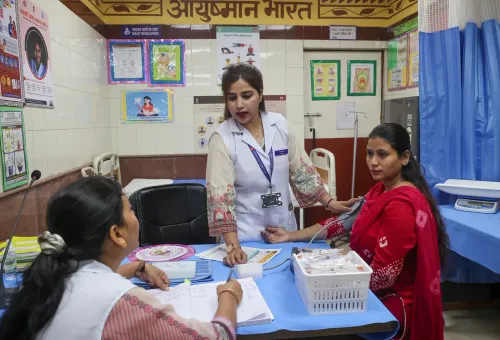
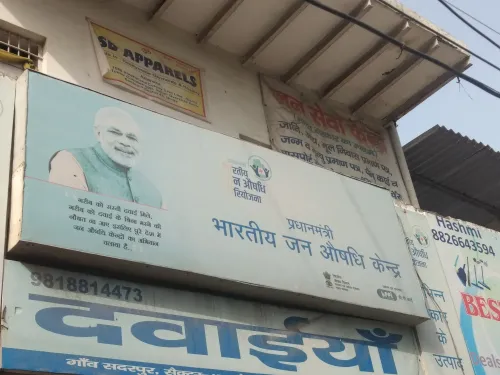
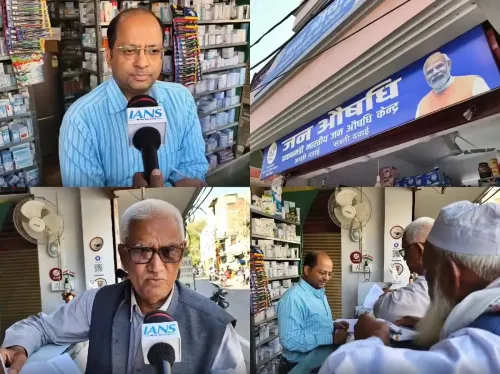
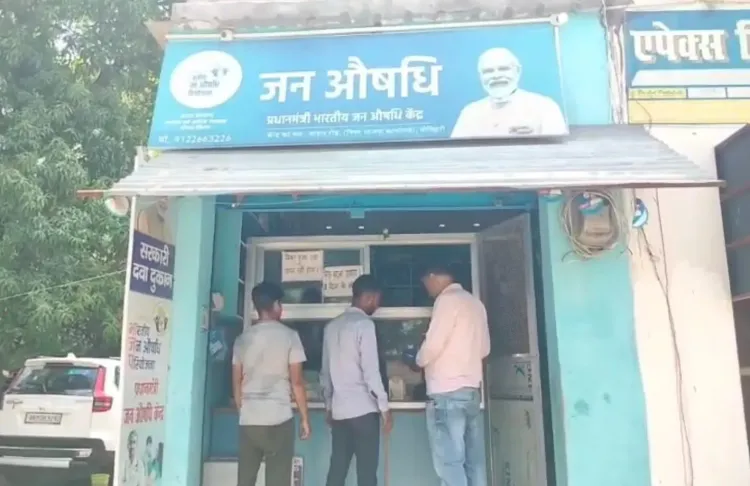
Pradhan Mantri Bhartiya Janaushadhi Pariyojana (PMBJP) Kendras across India will remain fully operational on Wednesday, 21 May, even as pharmacy operators nationwide observe a one-day strike demanding a clear legal framework for e-pharmacies. The PMBJK Retailer Association confirmed the decision on Tuesday, assuring patients of uninterrupted access to affordable medicines at Jan Aushadhi outlets, including those at major hospitals.
Why Chemists Are Striking
The nationwide strike has been called by chemist associations to press for uniform regulations governing the online sale of medicines — a sector that currently operates in what industry representatives describe as a regulatory grey area. Pharmacists argue that the absence of a clear legal framework poses serious risks to public health and safety.
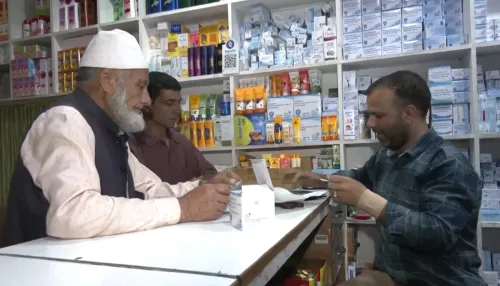
Among the concerns flagged: the easy availability of narcotics and Schedule H drugs through online platforms without adequate prescription verification or quantity controls. Traditional chemists, by contrast, operate under the Drugs and Cosmetics Act, which mandates prescription checks and restricts the quantity of medicines dispensed per transaction.
What Jan Aushadhi Kendras Will Do Differently
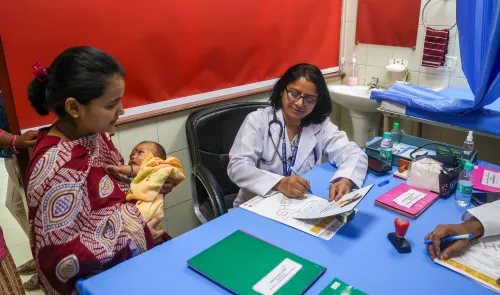
The PMBJK Retailer Association announced that Jan Aushadhi Kendras will continue to serve patients, with particular emphasis on high-footfall facilities such as AIIMS and Patna Medical College and Hospital (PMCH). The move is intended to prevent disruption to patients who depend on these government-backed outlets for low-cost generic medicines.
Safety and Quality Concerns Over E-Pharmacies
Prasanna Kumar Singh, President of the Bihar Chemists and Druggists Association, warned that many medicines require strict temperature-controlled storage — commonly known as cold chain management — which is frequently compromised when drugs are shipped via courier services. He cautioned that such lapses can reduce the efficacy of medicines and, in certain cases, render them harmful to patients.
Ravi Kumar, also associated with the Bihar Chemists and Druggists Association, stressed that the same regulatory standards must apply to both online and offline pharmacies to ensure patient safety. Concerns were also raised about the circulation of counterfeit drugs and the absence of proper return and grievance mechanisms in online medicine transactions.
Economic Impact on Offline Pharmacies
The rapid growth of e-pharmacies is also taking a measurable financial toll on traditional chemists. In Patna's Govind Mitra Road — a major pharmaceutical hub — more than 900 wholesale and retail outlets reportedly generate significant monthly business, but the rise of online medicine sales has led to an estimated 10 per cent decline in revenue for offline retailers, according to association representatives.
In Bihar alone, the sector is reportedly absorbing losses of approximately ₹20 crore per month, a burden that has forced many shop owners to reduce staff. The associations argue that without regulatory parity, the financial viability of traditional pharmacies — and the employment they sustain — remains under threat.
With the strike set for Wednesday, all eyes will be on the Centre's response to the demand for a structured e-pharmacy framework — a policy gap that has persisted despite years of industry advocacy.
Point of View
Despite years of industry complaints. The Centre's silence on this front has allowed a two-tier system to take root — one where traditional chemists bear compliance costs that online platforms do not. Jan Aushadhi Kendras staying open is operationally sensible, but it sidesteps the structural question. Until the government tables a clear e-pharmacy law, the public health risks flagged by pharmacists — counterfeit drugs, cold-chain failures, unverified Schedule H prescriptions — remain live and unaddressed.
NationPress
14 Sept 2026
Frequently Asked Questions
Why are pharmacists striking across India on Wednesday?
Chemists and pharmacy operators are observing a one-day nationwide strike to demand a clear legal framework for e-pharmacies, which currently operate without the same regulatory safeguards as physical pharmacies. They argue this gap creates serious public health risks, including unverified access to narcotics and Schedule H drugs online.
Will Jan Aushadhi Kendras be open during the chemists' strike?
Yes. The PMBJK Retailer Association confirmed that Jan Aushadhi Kendras will remain operational throughout the strike, including at major hospitals such as AIIMS and Patna Medical College and Hospital, to ensure patients are not inconvenienced.
What is the e-pharmacy regulation dispute about?
Traditional pharmacists argue that e-pharmacies bypass key safeguards mandated under the Drugs and Cosmetics Act — such as prescription verification and quantity limits — creating risks of drug misuse, counterfeit medicines, and cold-chain failures during delivery. They want uniform regulations applied to both online and offline medicine sales.
How much are offline pharmacies losing to e-pharmacy competition in Bihar?
According to the Bihar Chemists and Druggists Association, traditional pharmacies in Bihar are reportedly incurring losses of around ₹20 crore per month due to the rise of online medicine sales, and an estimated 10 per cent decline in revenue has been recorded among offline retailers.
What are Schedule H drugs and why does their online sale concern pharmacists?
Schedule H drugs are prescription-only medicines regulated under the Drugs and Cosmetics Act, including antibiotics, psychotropics, and other potentially habit-forming or high-risk medications. Pharmacists say e-pharmacies often dispense these without adequate prescription checks, raising concerns about misuse and patient safety.